
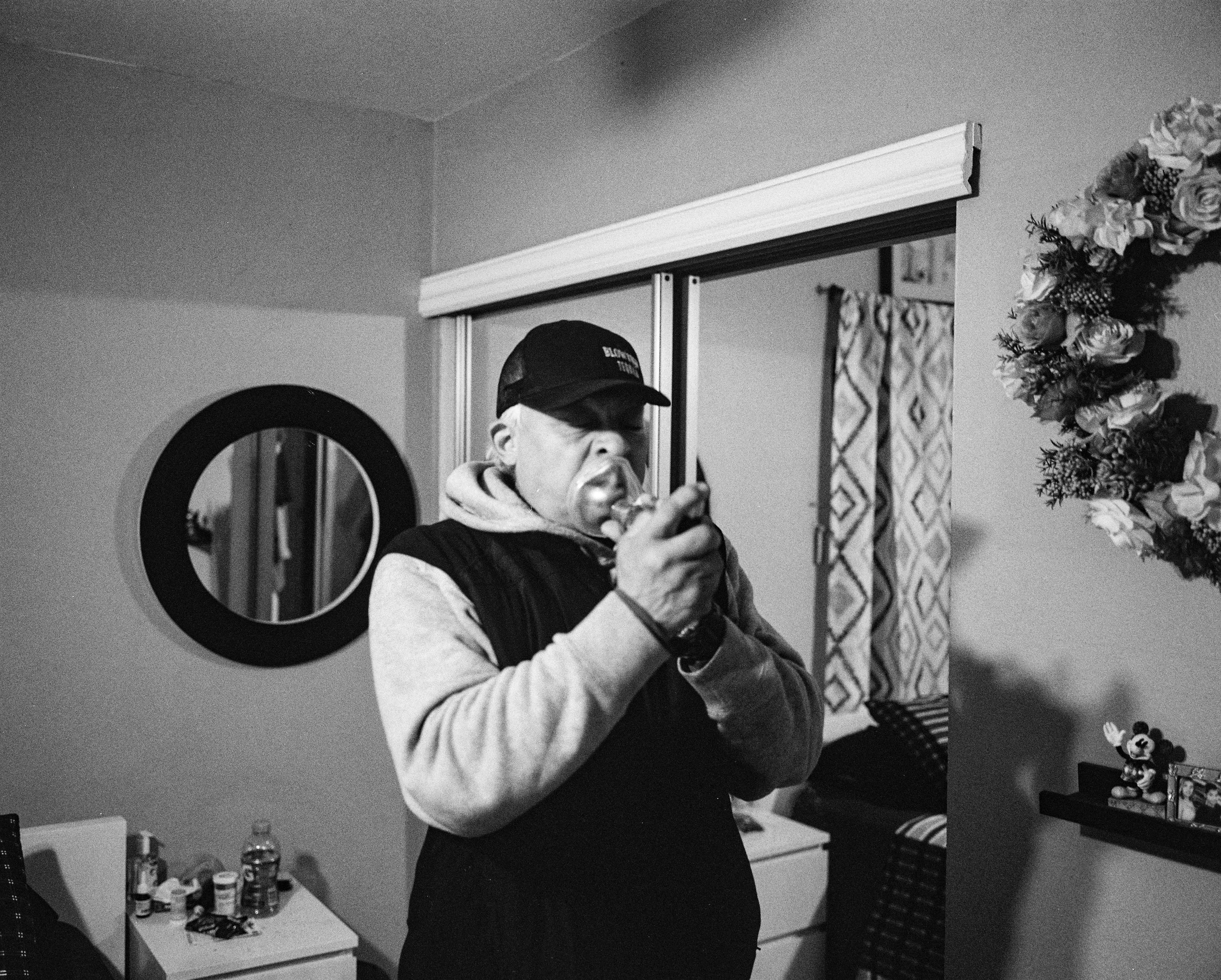
Photo by Pablo Unzueta
Why does the United States spend more than any other wealthy nation and have so little to show for it? What can we change, what can we build, what should we tear down, to assure that all of us—no matter who we are, where we are from, or how much money we make—have affordable health care? Most of the time, these questions are answered with data or policy analysis—but we know there is so much more to the story. After all, the experience of health, of being a person with a body that will inevitably get sick, hurt, or need care, is the most fundamental and shared of human experiences.
Presented by the Magnum Foundation, the Commonwealth Fund, and Photoville, this conversation will feature four photographers whose work highlights the lived experience of health disparities in the United States.
Friday, May 15, 2026 | 12:00 - 2:00 PM
Magnum Foundation
59 East 4th St, 7W | New York, NY 10003
In Southern California, Pablo Unzueta documents the work of living and breathing on Asthma Boulevard, the pollution corridor along the Los Angeles-Long Beach port communities. Working with collages, Sydney Ellison explores gendered and racialized barriers to accessing treatment for pain based on first-hand accounts from patients and clinicians. In Missouri, Brooklynn Kascel documents a growing health equity crisis as trans and nonbinary people are being denied gender-affirming, and life-saving, healthcare after the passage of SB49 nearly three years ago. And from Starr County, Texas, near the state’s southern tip along the U.S.-Mexico border, Cheney Orr highlights the ways dementia looms over families, where many with the condition are cared for at home.
These projects were produced with support from the Magnum Foundation and Commonwealth Fund’s Health Equity reporting partnership, which supported eight projects — several of which were published in The Atlantic and Mother Jones.
Starting May 16, projects from this initiative by Cheney Orr and Pablo Unzueta will be on view in Brooklyn Bridge Park as part of this year's Photoville festival. See more here.
About the photographers
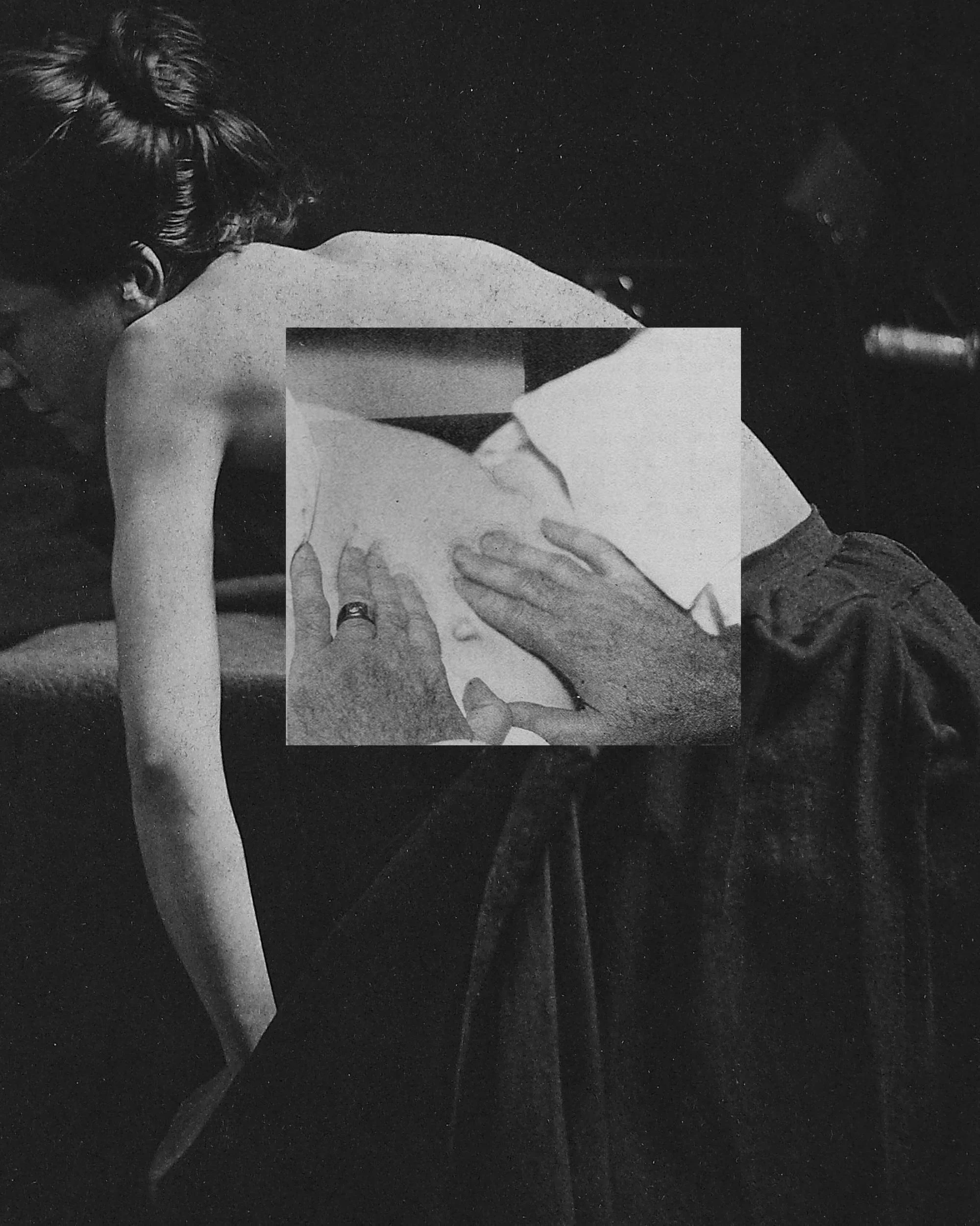
Sydney Ellison
New York City, NY | who do we believe?
Throughout time, academics have observed a discrepancy in the likelihood of individuals from marginalized races, ethnicities, and/or genders being believed or taken seriously when reporting pain in a clinical setting, sometimes referred to as “The Pain Gap”. This work came out of a desire to explore the systems and beliefs that lead to this disparity in treatment, and the real-world impact that not being believed has on patients. Drawing from personal experience, interviews of those with first-hand experience with this phenomenon (patients, caregivers, clinicians), and archival imagery, this work uses layering and various degrees of opacity to visually represent the disconnect from one’s own body and sense of self that comes with medical trauma as well as the mystery that comes with attempting to express internal sensations.
Sydney Ellison is a Queens-based artist and curator. Her studio and curatorial practices share many of the same concerns, primarily addressing gaps and intersections within American identity. She received her BFA in Photography from Pratt Institute. Sydney is currently the Programs Manager at Baxter St and has previously worked with The Photographer’s Green Book.
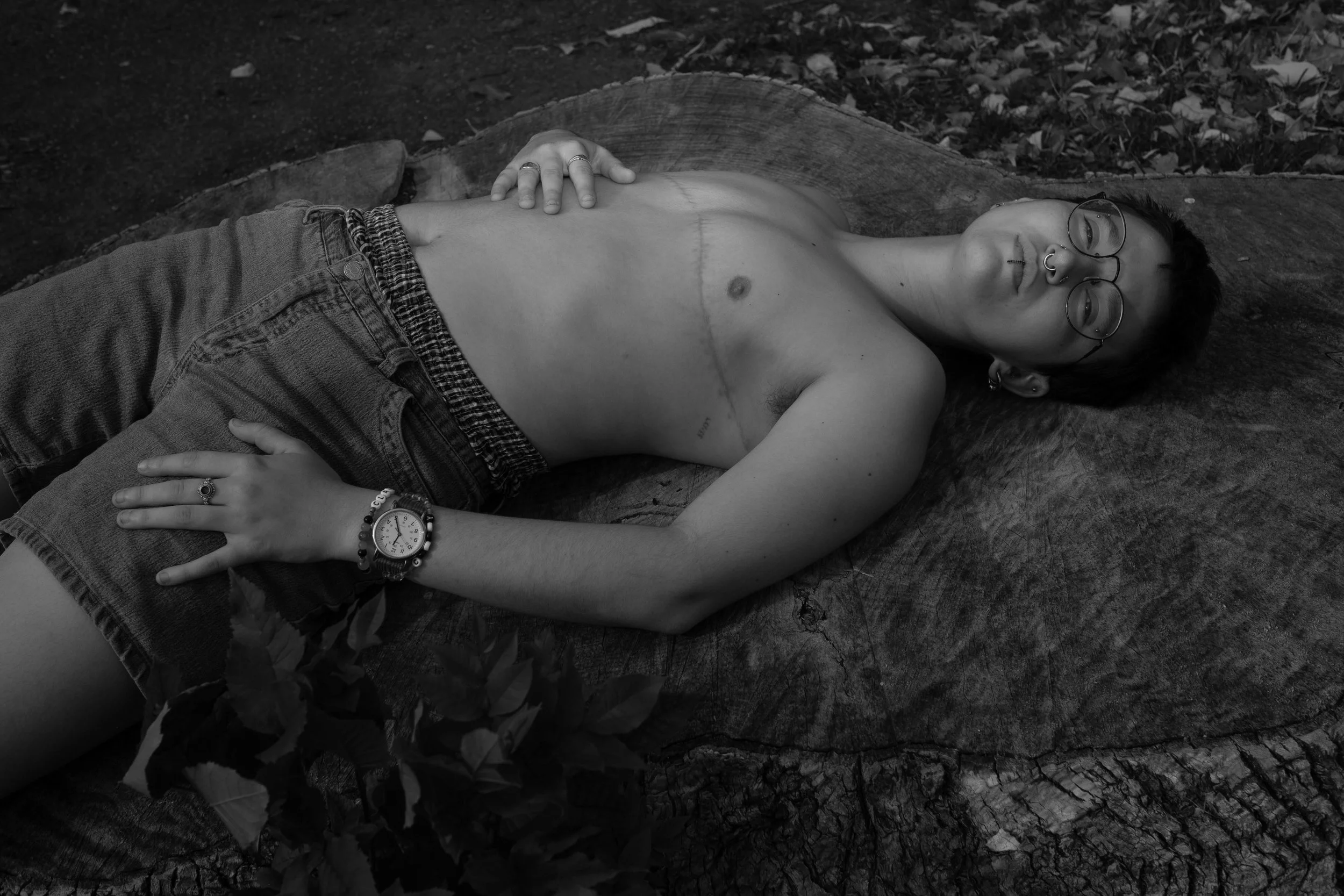
Brooklynn Kascel
Kansas City, MO | Of body and land
Of Body and Land documents a growing health equity crisis in the state of Missouri—where trans and non-binary people are being denied gender-affirming, and life-saving, healthcare after the passage of SB49 nearly three years ago.
The justification to deny access to hormones and surgery for adults and puberty blockers for youth is not based on scientific evidence, but rather beholden to political interference and rooted in gender discrimination against all transgender people.
“I never got the sense of hopelessness in Missouri, but rather witnessed overwhelming feelings of resilience and love. It is understood and unspoken that the U.S. government's overreach and discrimination against trans, non-binary and gender diverse people in America, no matter how terrifying or exhausting, will always be overcome with support for each other; this community can never be erased.”
Brooklynn T. Kascel is a queer photographer from Iowa who makes non-fiction photographic essays. Working within the sociological framework of human ecology, Brooklynn interacts with themes of gender, queerness, Christianity, the family unit and current events to study social systems.
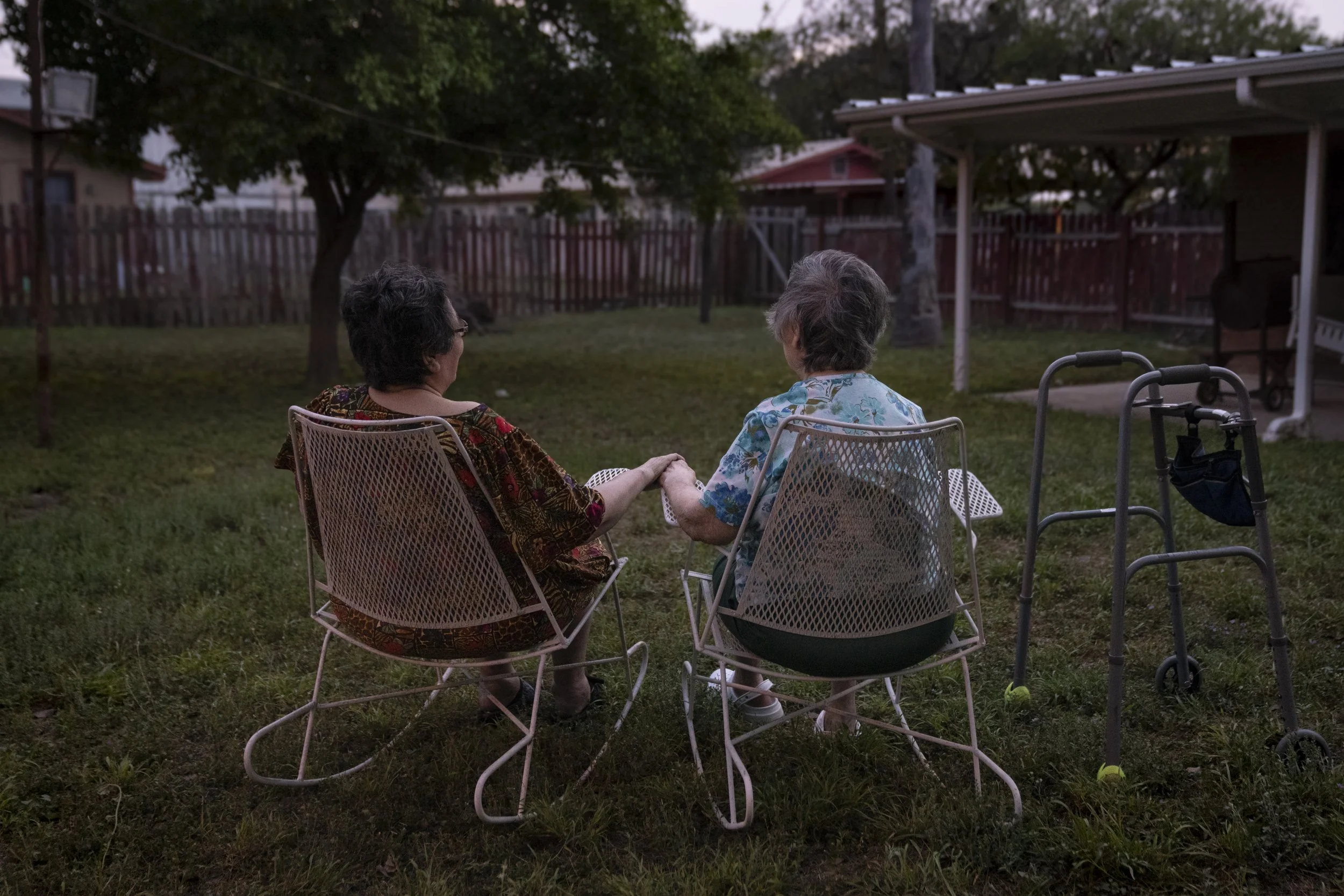
Cheney Orr
Starr county, TX | tracing memory
Starr County, Texas, is a place of wind farms and cattle ranches, close-knit families, and border patrol boats moving along the Rio Grande. Beneath those daily rhythms lies another story: one of the highest known rates of Alzheimer’s Disease and Related Dementias in the United States. Nearly one in four residents over 65 is reported to live with Alzheimer’s or a related dementia, compared with roughly one in fourteen nationwide. Many more cases likely go undiagnosed. In a county shaped by poverty and limited access to health care, the disease—still burdened by stigma—often takes hold out of sight, and most families care for their own.
But this project is not only about what slips away. It is also about what remains: the tenderness of those who bear witness, the repeated acts of care, the flashes of humor and grace that survive the slow unmaking of memory. A dance as night falls. A laugh returned. A hand held a moment longer.
Made over several years in and around Starr County, these images trace not only the weight of dementia, but the dignity and fleeting beauty that persist within it.
This story has been published in The Atlantic.
Cheney Orr is a photographer and journalist whose coverage spans breaking news and long-term documentary projects. His first photo essay, published by The New York Times in 2018, documented his father’s experience with early-onset Alzheimer’s and helped define the approach to storytelling that continues to shape his practice. He has since been commissioned to work across the United States, covering natural disasters, the aftermath of mass violence, flashpoints along the U.S.–Mexico border, civil unrest, and political campaigns for outlets including Reuters, Bloomberg, and The New York Times. His photography has received numerous grants and awards, including a Magnum Foundation grant and a 2021 Pulitzer Prize nomination, and is held in the collections of major institutions, including MoMA and the Met.
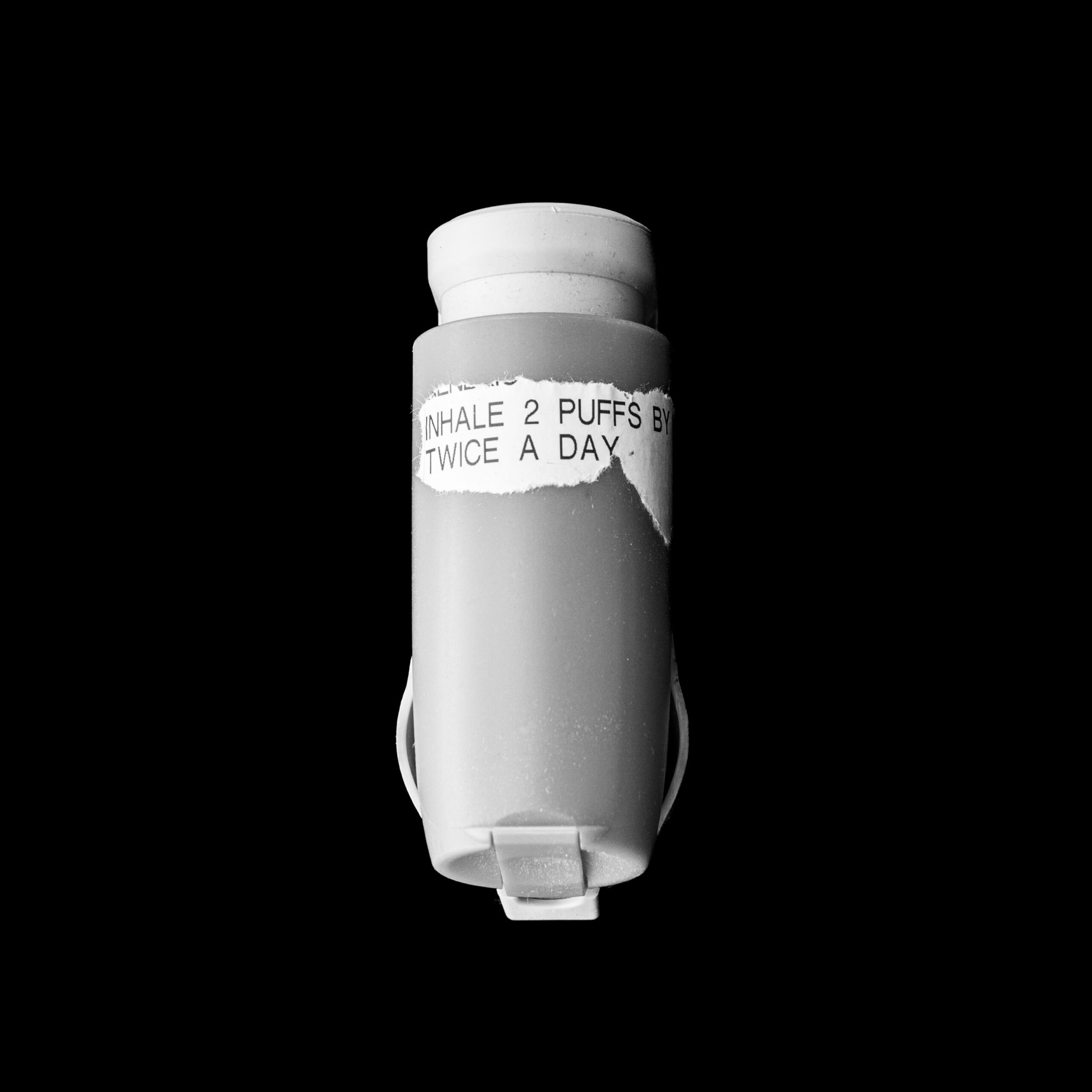
Pablo Unzueta
los angeles, CA | asthma boulevard
Asthma Boulevard is a collection of stories and toxic landmarks that document the legacies of oil and air pollution in the Los Angeles region where the cancer risk and asthma rates are 90% higher than the state average. These communities have been historically neglected and are bound together by industrial decay, oil refineries, major freeways, and one of the largest supply chain complexes in the world. Through an intimate lens, this ongoing project is a continuous journey through the complex industrial web that is deeply entrenched with the landscape, and with the people who live next door to these major sources of pollution. There is a connectedness found in these industrial underbellies that deserve our attention. Ultimately, this project serves as both documentation and testimony.
This story has been published in The Atlantic.
Pablo Unzueta is a first-generation Chilean American documentary photographer born in Los Angeles, California. Through photography, he documents stories about environmental pollution, climate change, systemic displacement, migration, and the socioeconomic implications of globalization. Unzueta’s work has been funded by the Magnum Foundation and collected by the US Library of Congress. Unzueta is currently based in San Francisco where he has been focused on hyper-local stories that reflect a broader and national lens.
About the moderator
Jehan Jillani is the Visuals Director at The Atlantic, where she oversees photography and art direction for the publication's daily stories and digital features. Her website can be found here.
About the presenters
Magnum Foundation is a nonprofit organization that expands creativity and diversity in documentary photography, activating new audiences and ideas through the innovative use of images.
The Commonwealth Fund is a private nonprofit foundation established in 1918 with the broad charge to enhance the common good. Its founder, Anna M. Harkness, is among the first women to start a private foundation. Today, the Commonwealth Fund supports independent research on health care issues and makes grants to improve health care practice and policy. An international program in health policy is designed to stimulate innovative policies and practices in the United States and other industrialized countries.
Photoville is a New York-based non-profit organization that works to promote a wider understanding and increased access to the art of photography for all. The Photoville Festival provides an accessible space for photographers and audiences from every walk of life to engage with each other, and experience thought-provoking photography from across the globe — free and accessible for all!



Magnum Foundation events are made possible by the Henry Nias Foundation and our Circle of Friends.
Magnum Foundation is in an elevator building and has a restroom that is wheelchair accessible and gender-neutral. For access requests or questions, please contact events@magnumfoundation.org. Masks are currently appreciated, but not required.

