
See the Latest Projects from our Heat fellowship
Florence Goupil
Magnum Foundation is pleased to spotlight projects produced in our 2024-25 Heat Fellowship supporting new photographic storytelling about heat and climate crisis. As increasingly urgent climate crises demand new paradigms for making and sharing images, this cohort featured nine photographers whose projects reimagine what a critical and ecological photographic practice might look like. Rather than solely depicting the immediate impacts of environmental catastrophe, these projects offer alternative ways of seeing—grounded in the histories, perseverance, and connection to land held by communities rooted in these shifting landscapes.
The Heat Fellowship is part of our Photography Expanded program focused on expanding the parameters of documentary photography and exploring creative models for narrative change. To learn more about this year’s fellowship, including in-person workshops in Oaxaca, Mexico, see here.
For highlights from this year’s projects, see below!
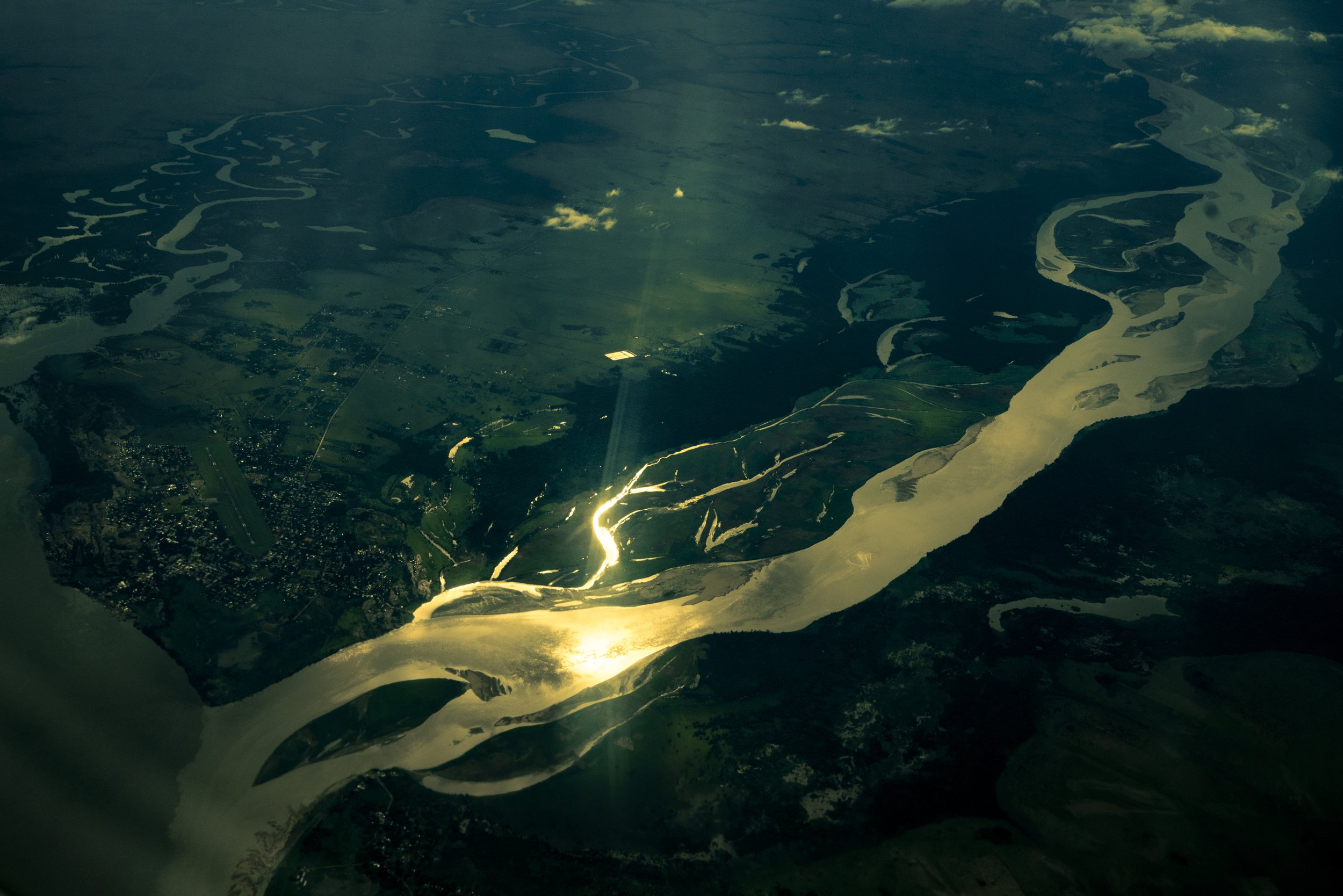
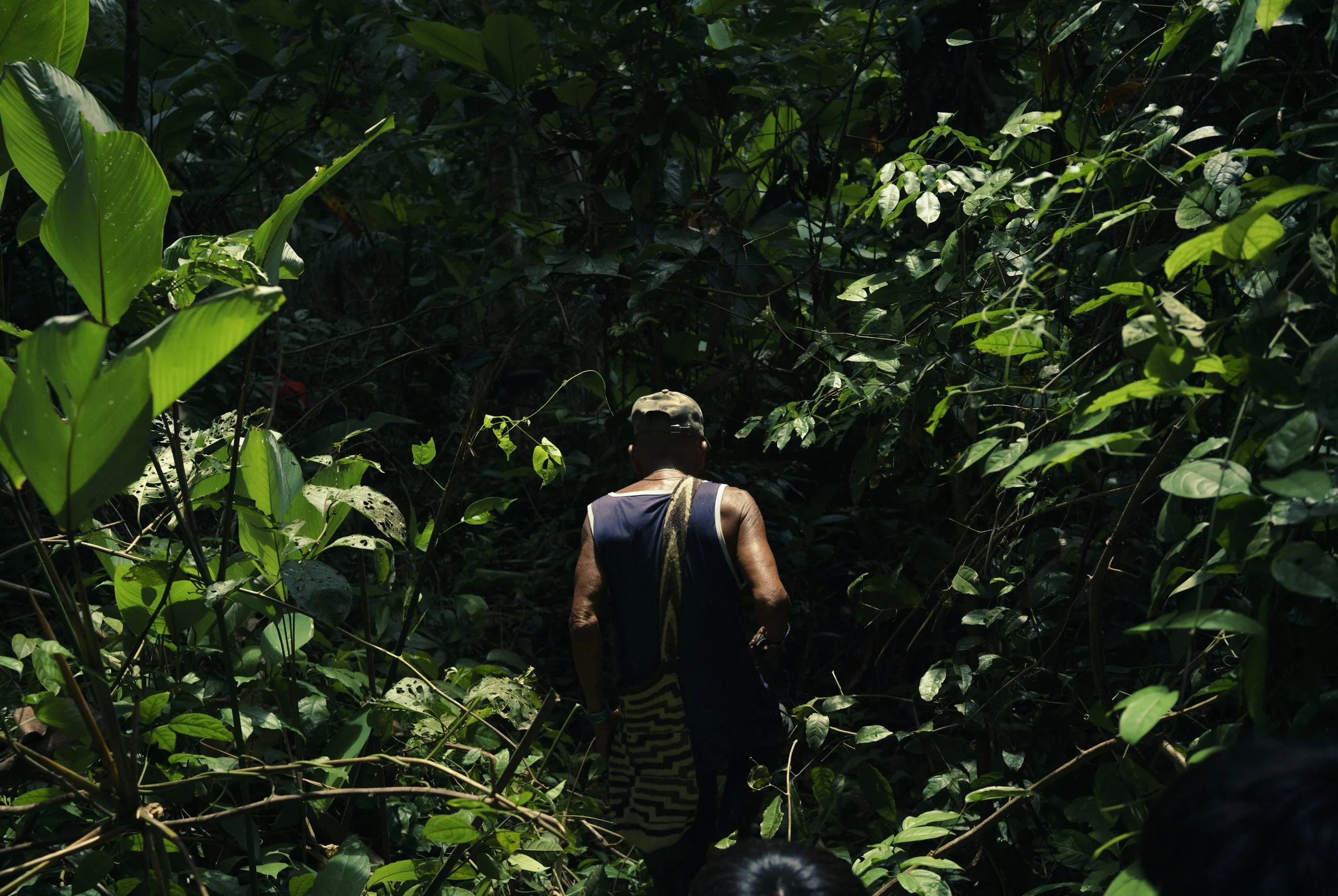
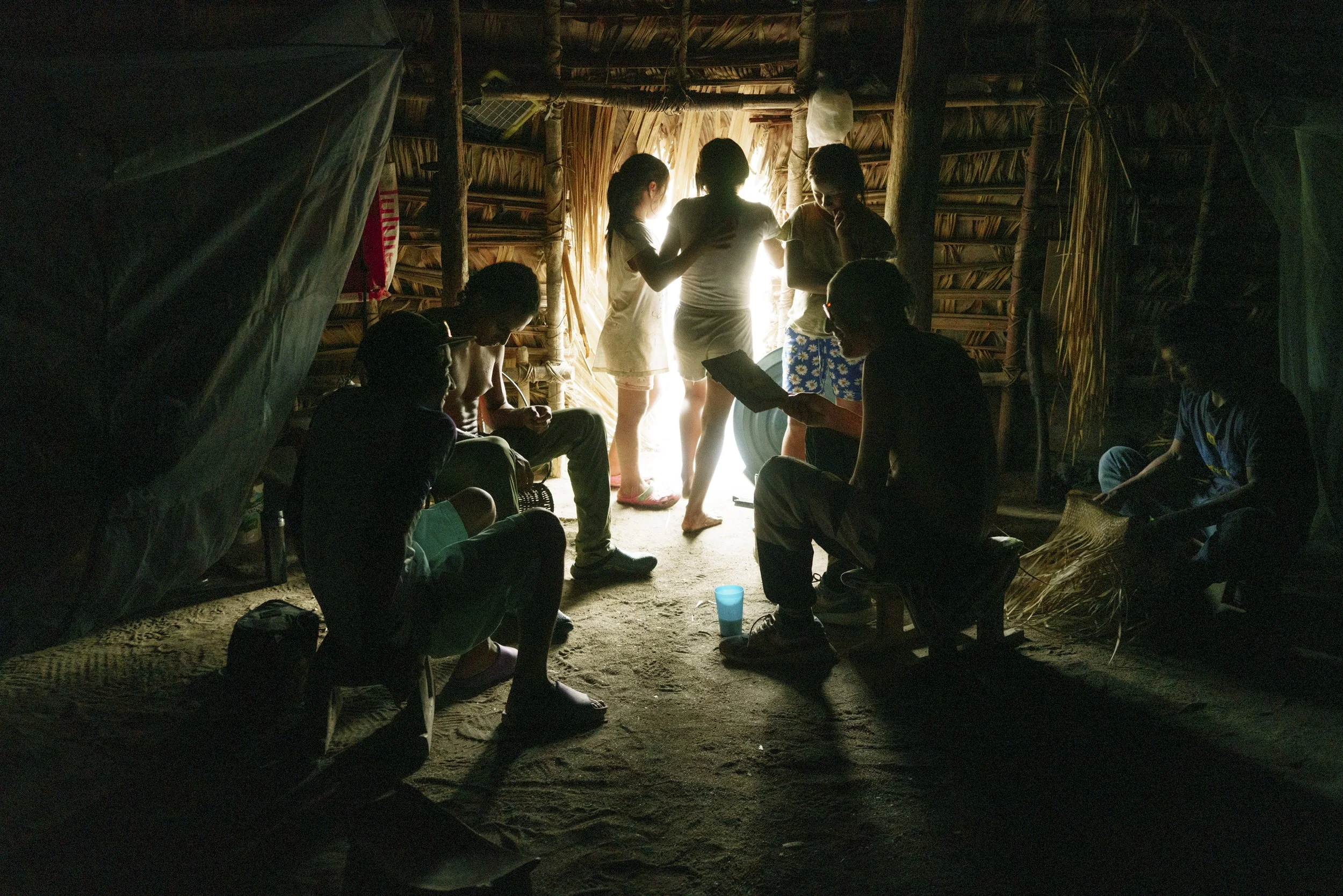
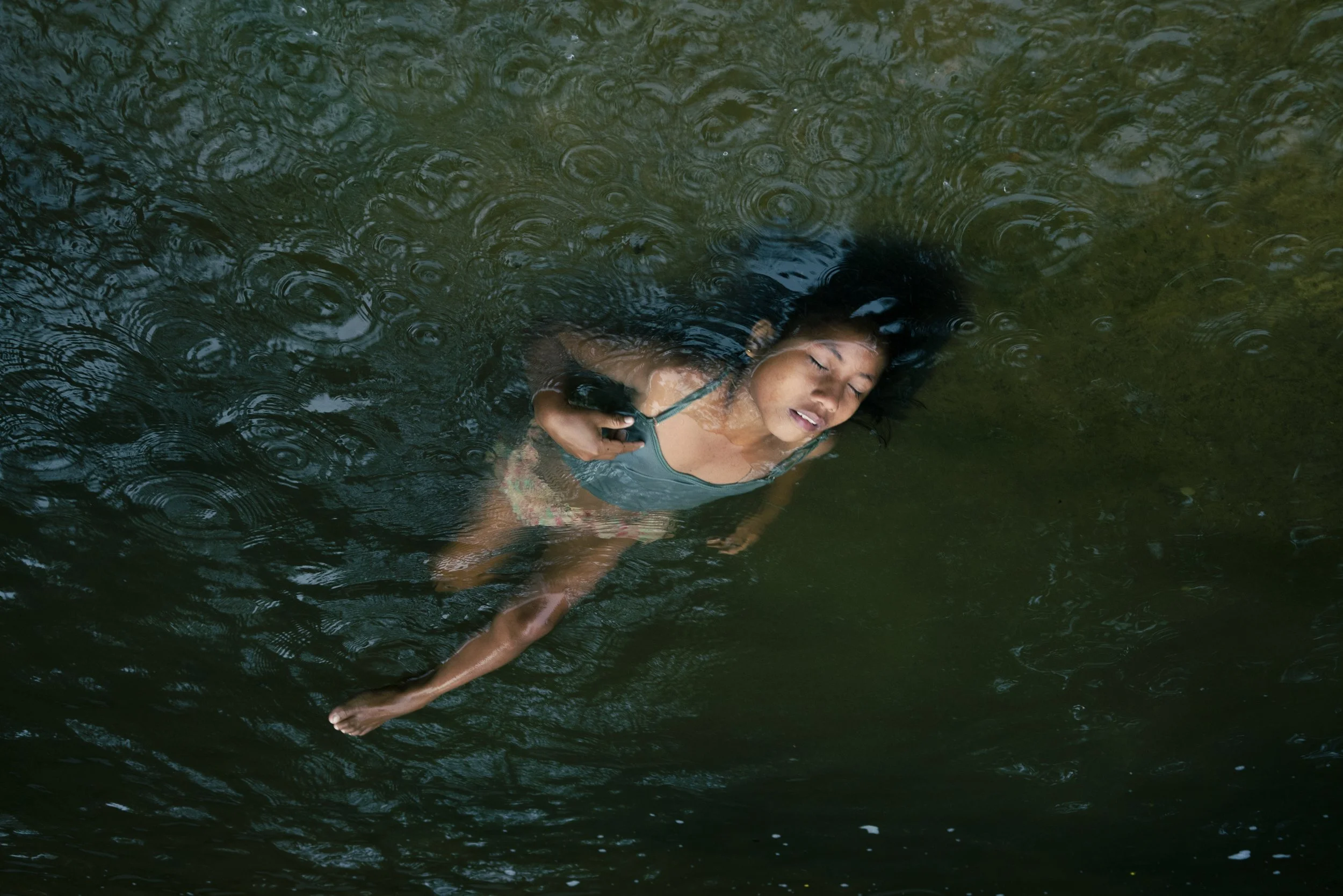
Andrea Hernández Briceño
Venezuela | Fire Becomes Spirit
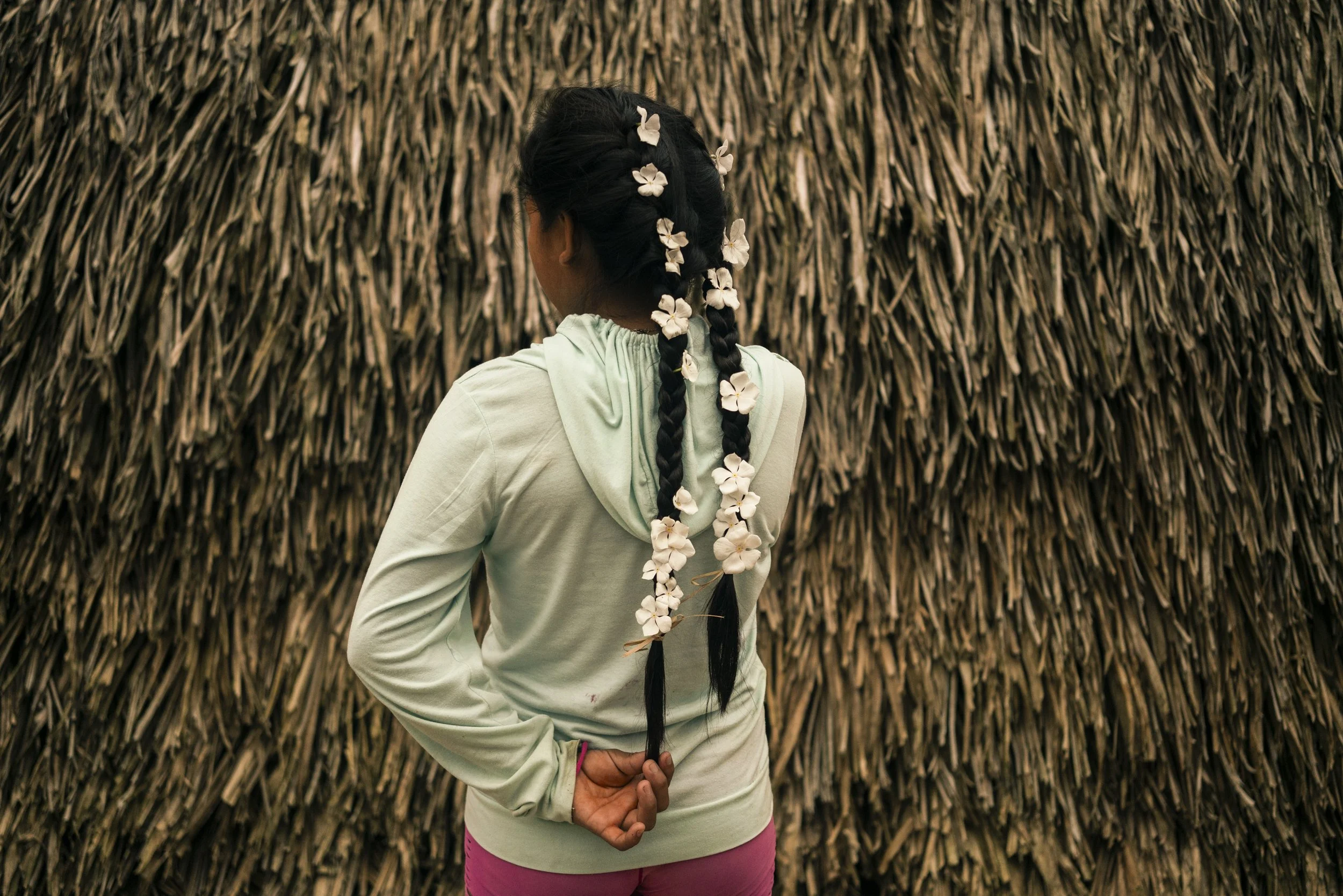
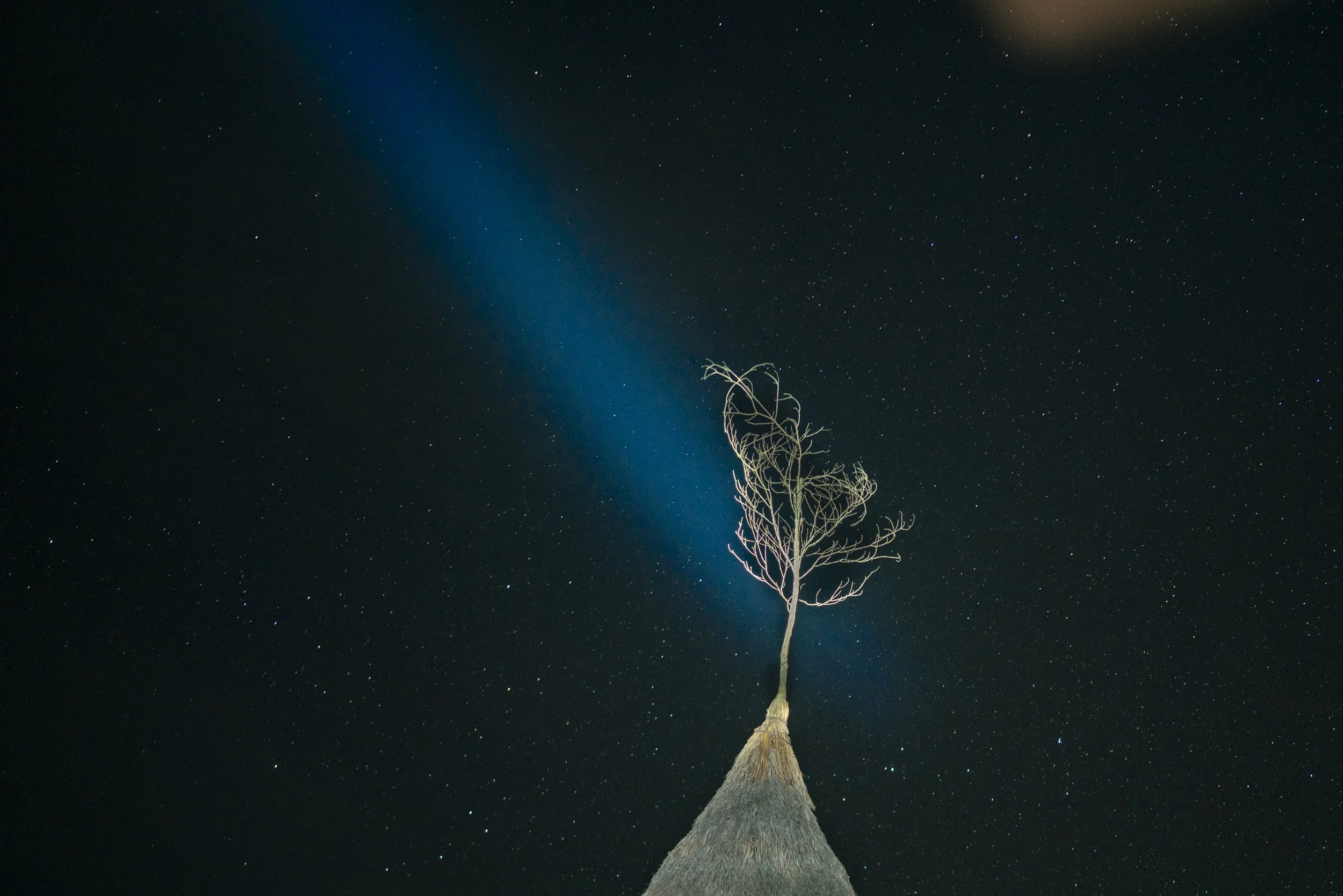
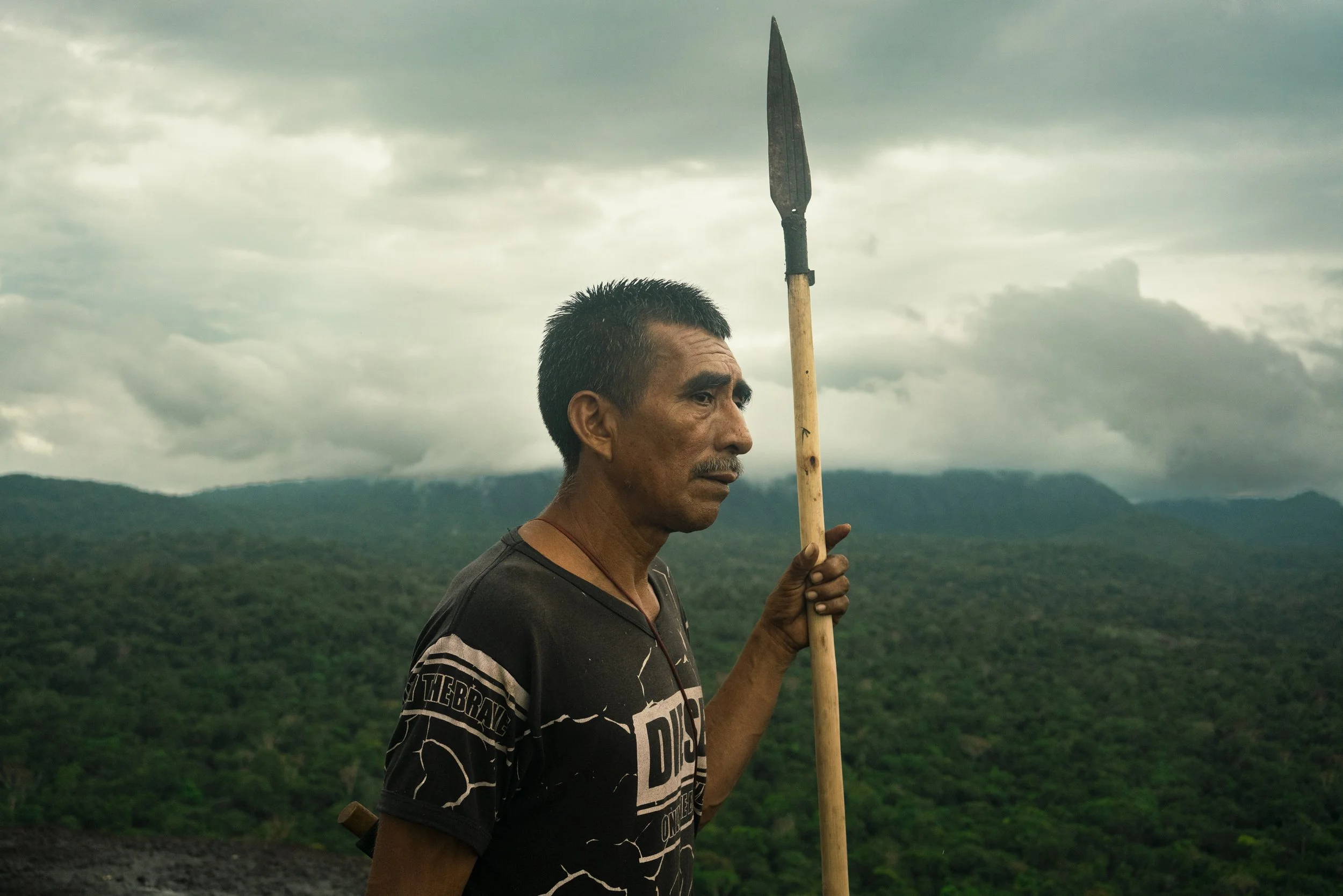
Many members of the indigenous Huöttöja community feel the pull of the mining industry, which promises to make them rich but threatens to dilute their culture. I was invited to document their traditions and ancestral knowledge as a way to preserve them, but I did not wish to be another outsider that left them feeling exploited. I aim to create a body of work that reflects the Huöttöja worldview and spirituality by nurturing a long term relationship with the community and its main goal: to show us that humans are not separate from nature, but an extension of it.
Fatma Fahmy
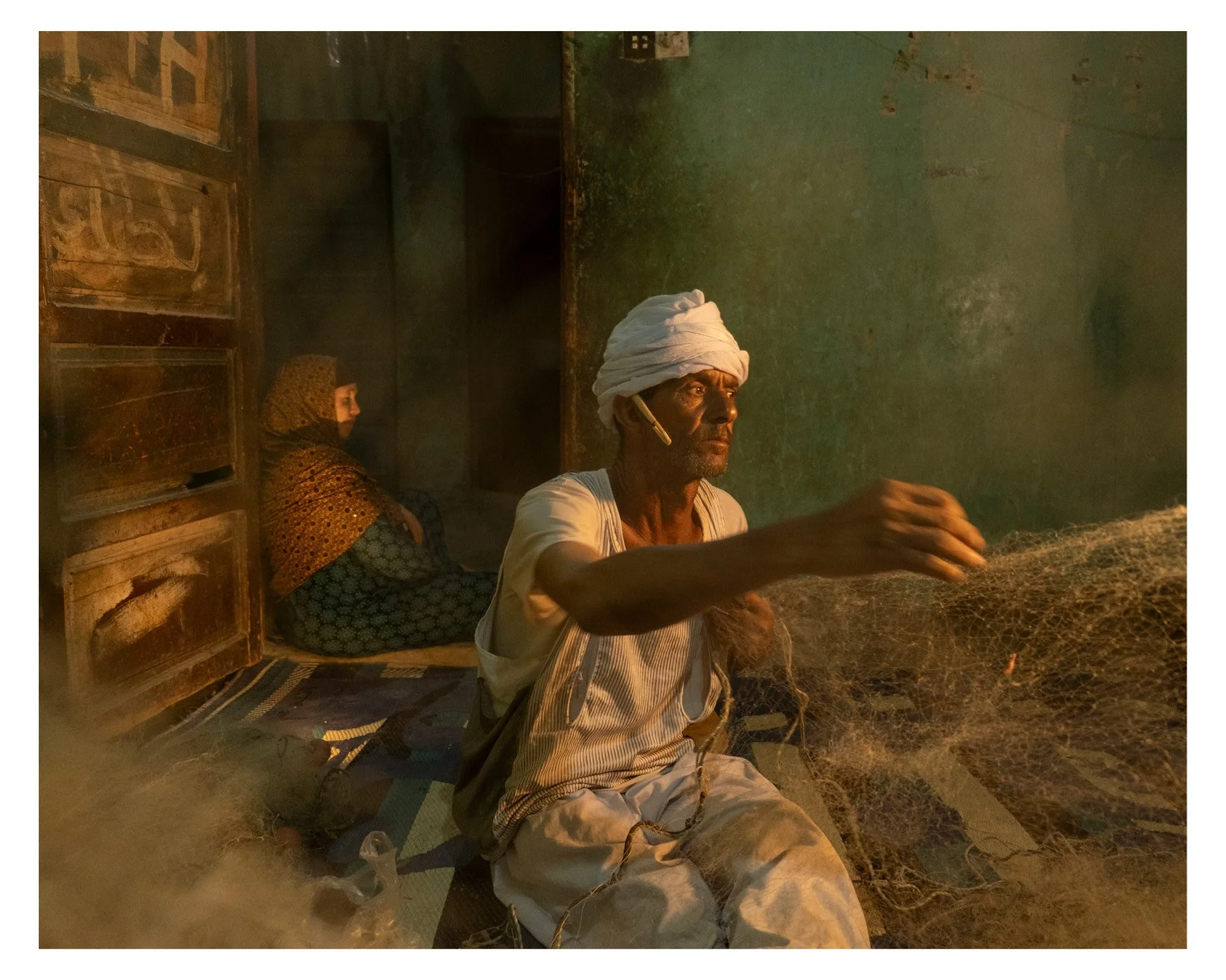
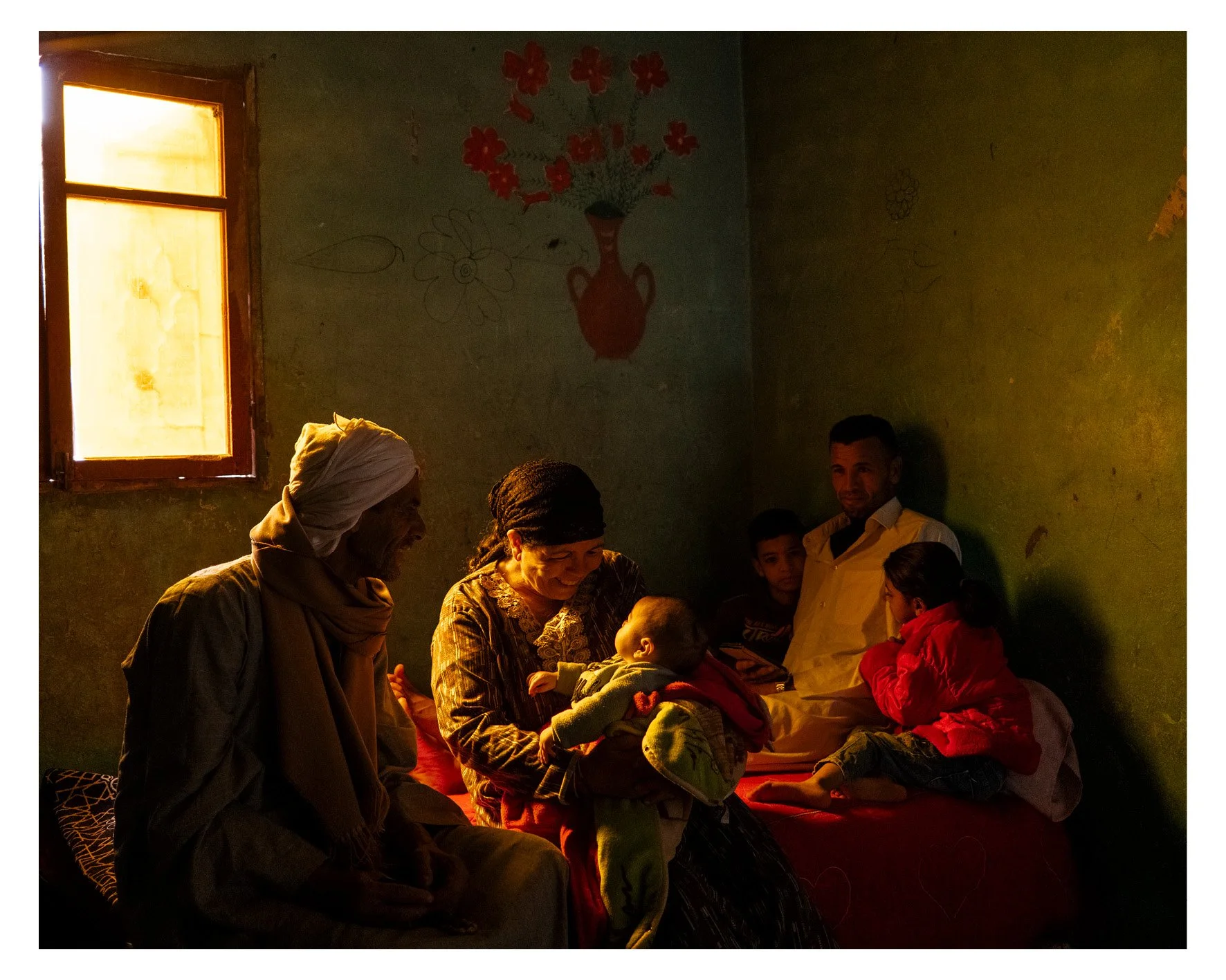
Egypt | When Absence Takes Hold
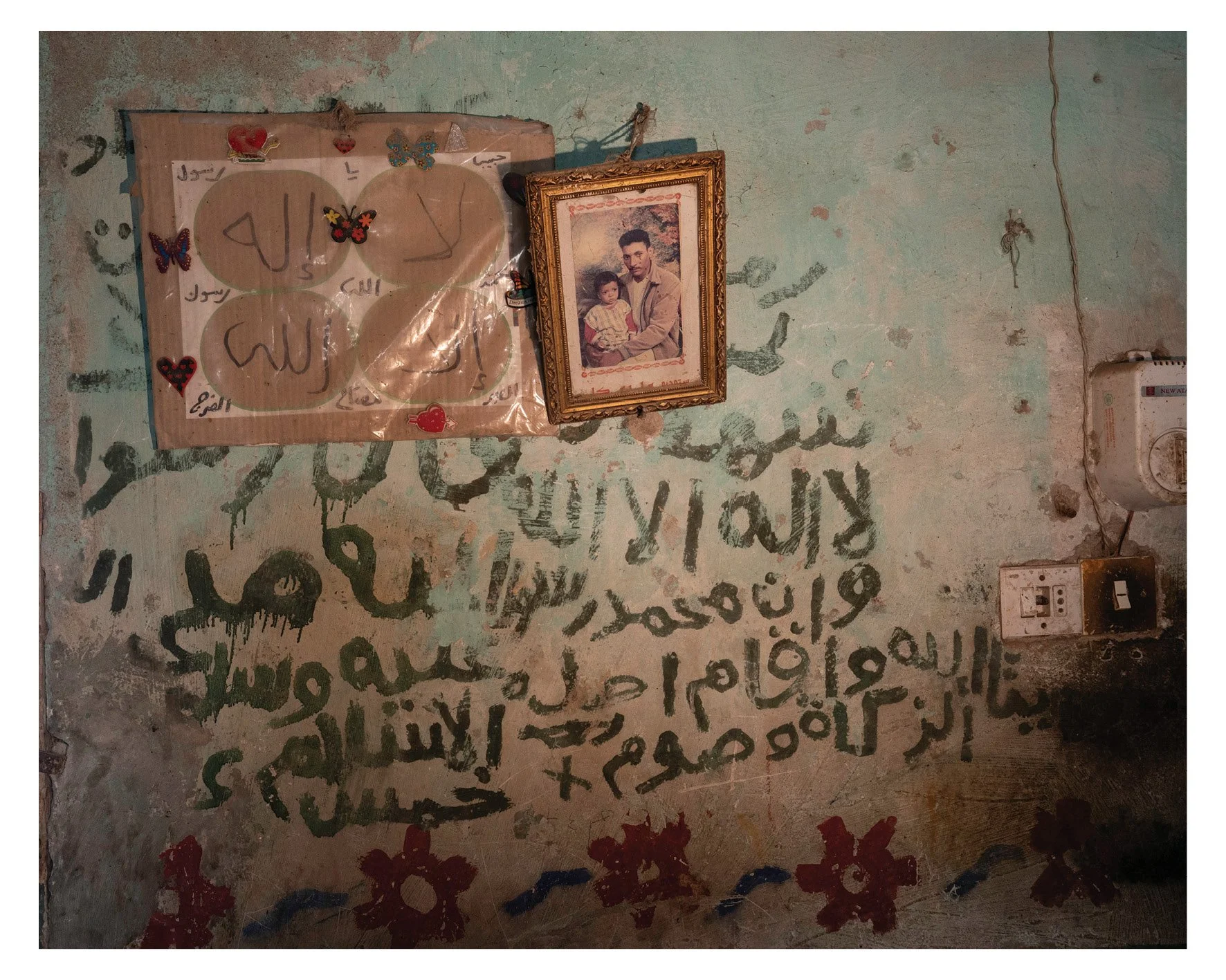
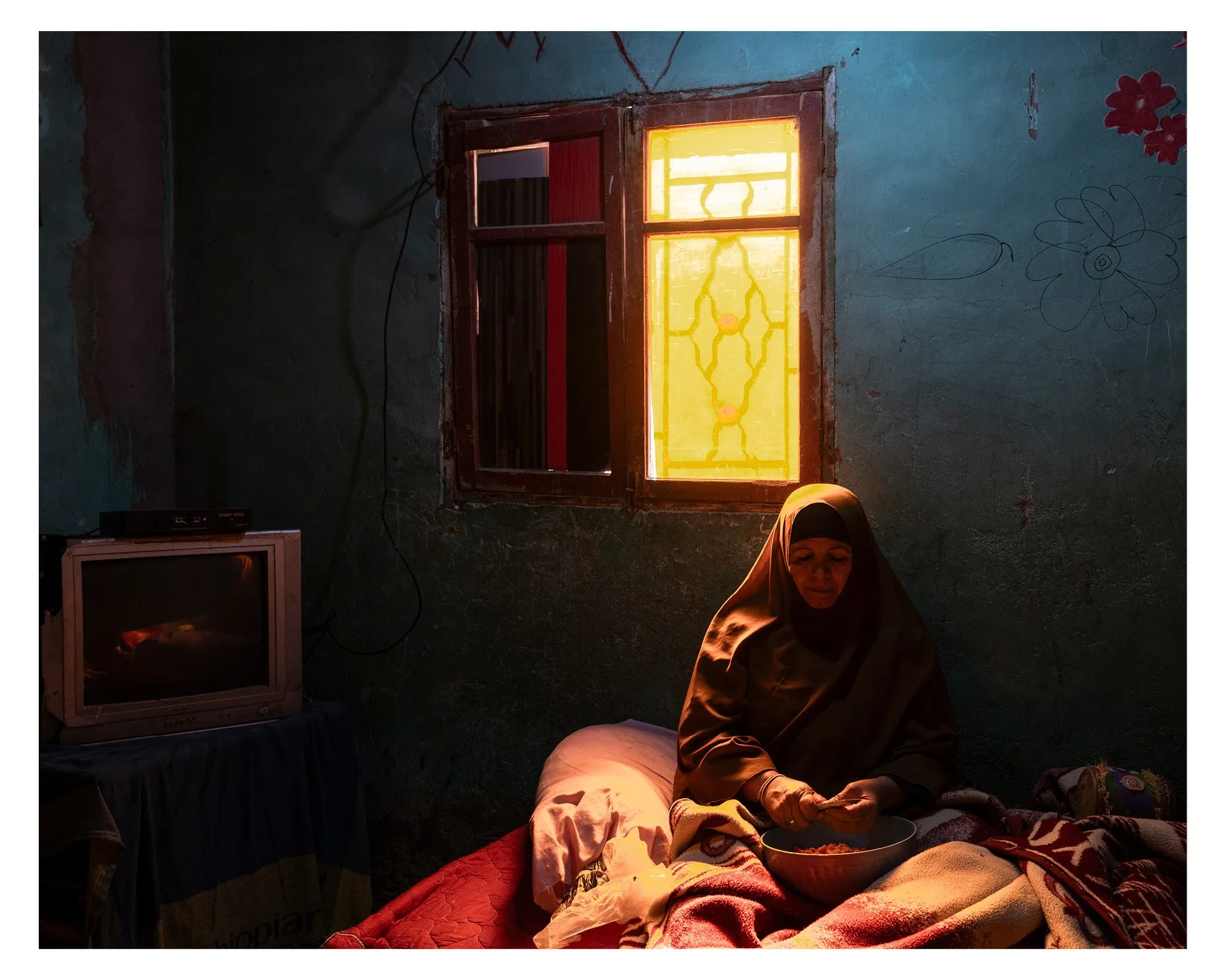
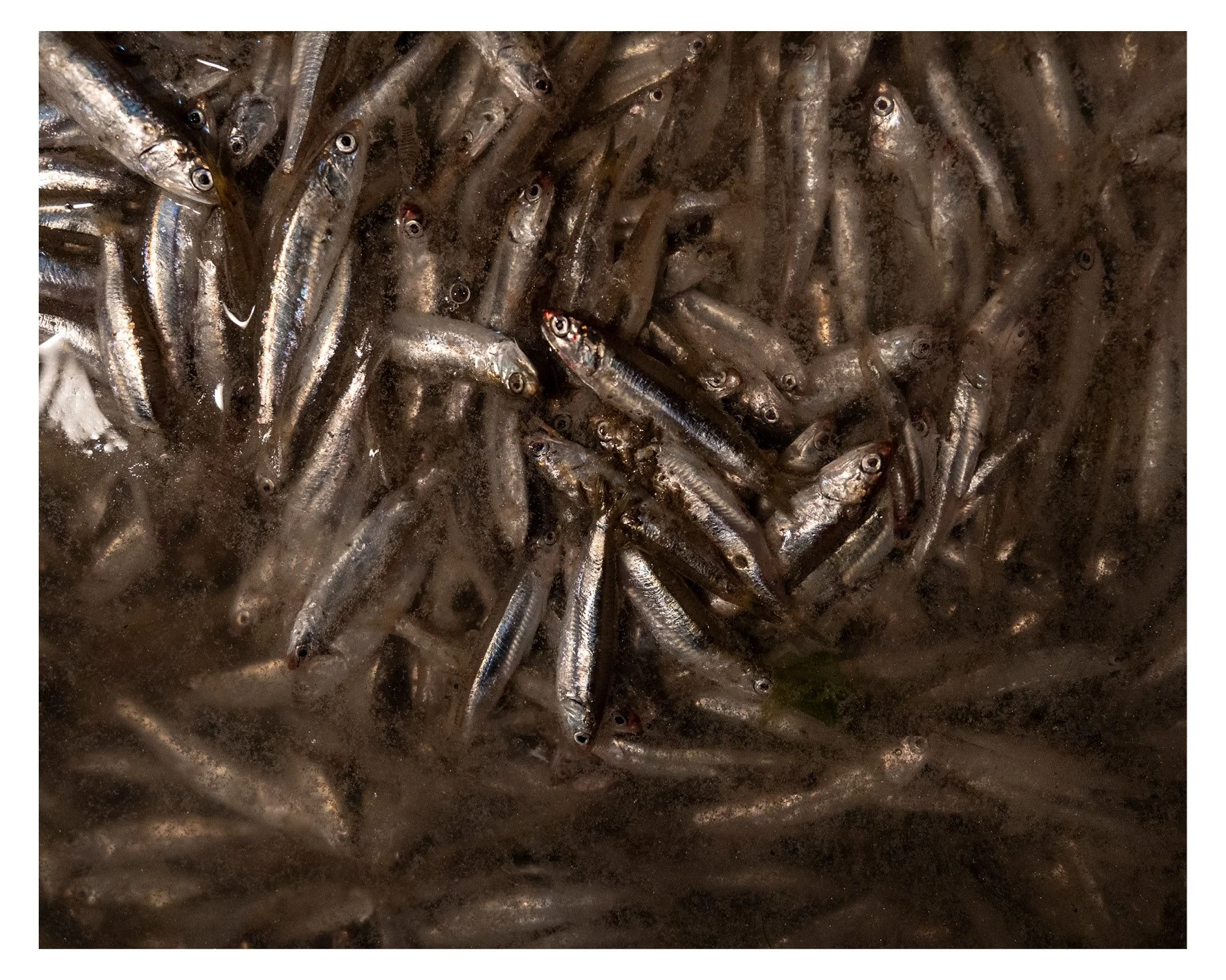
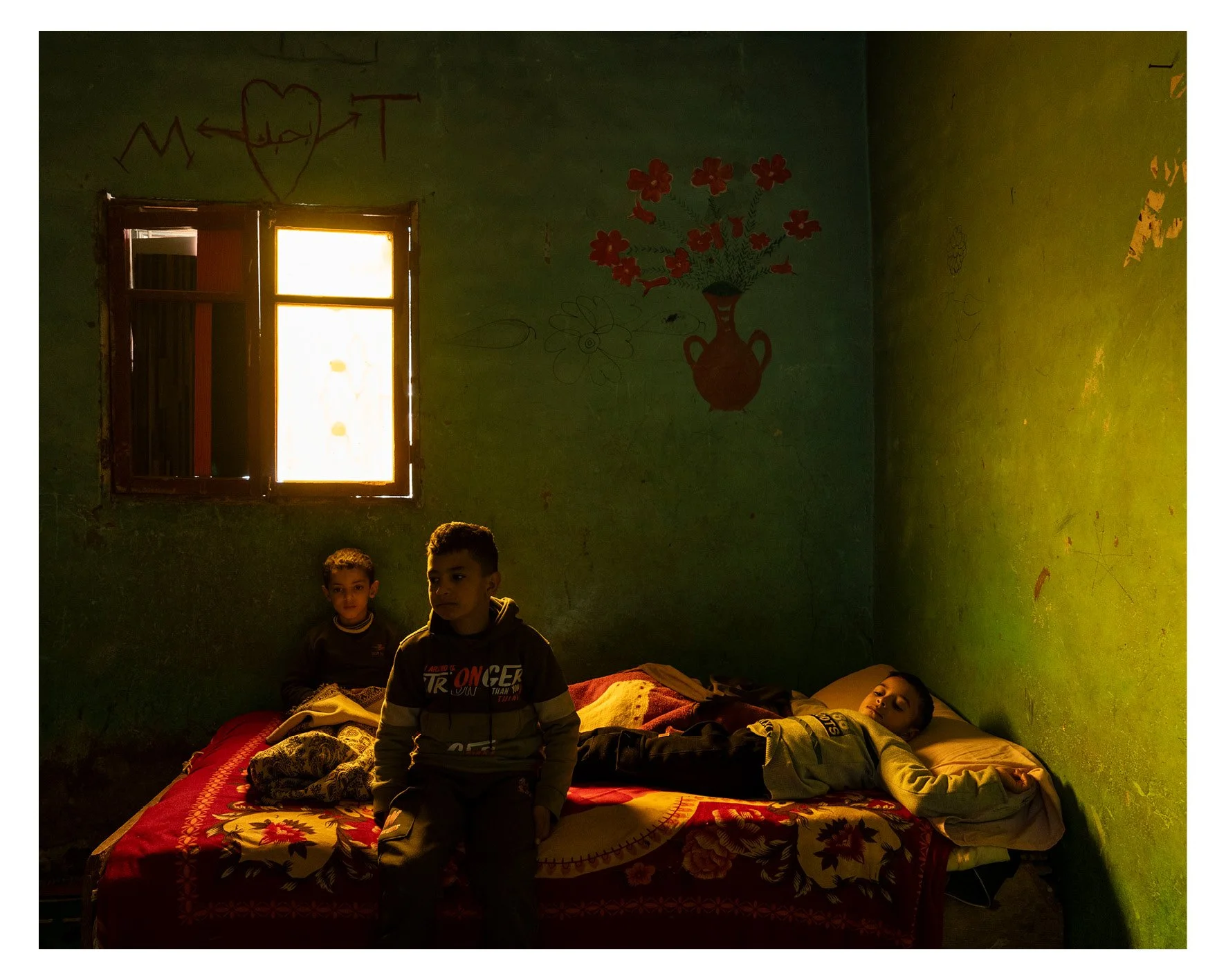
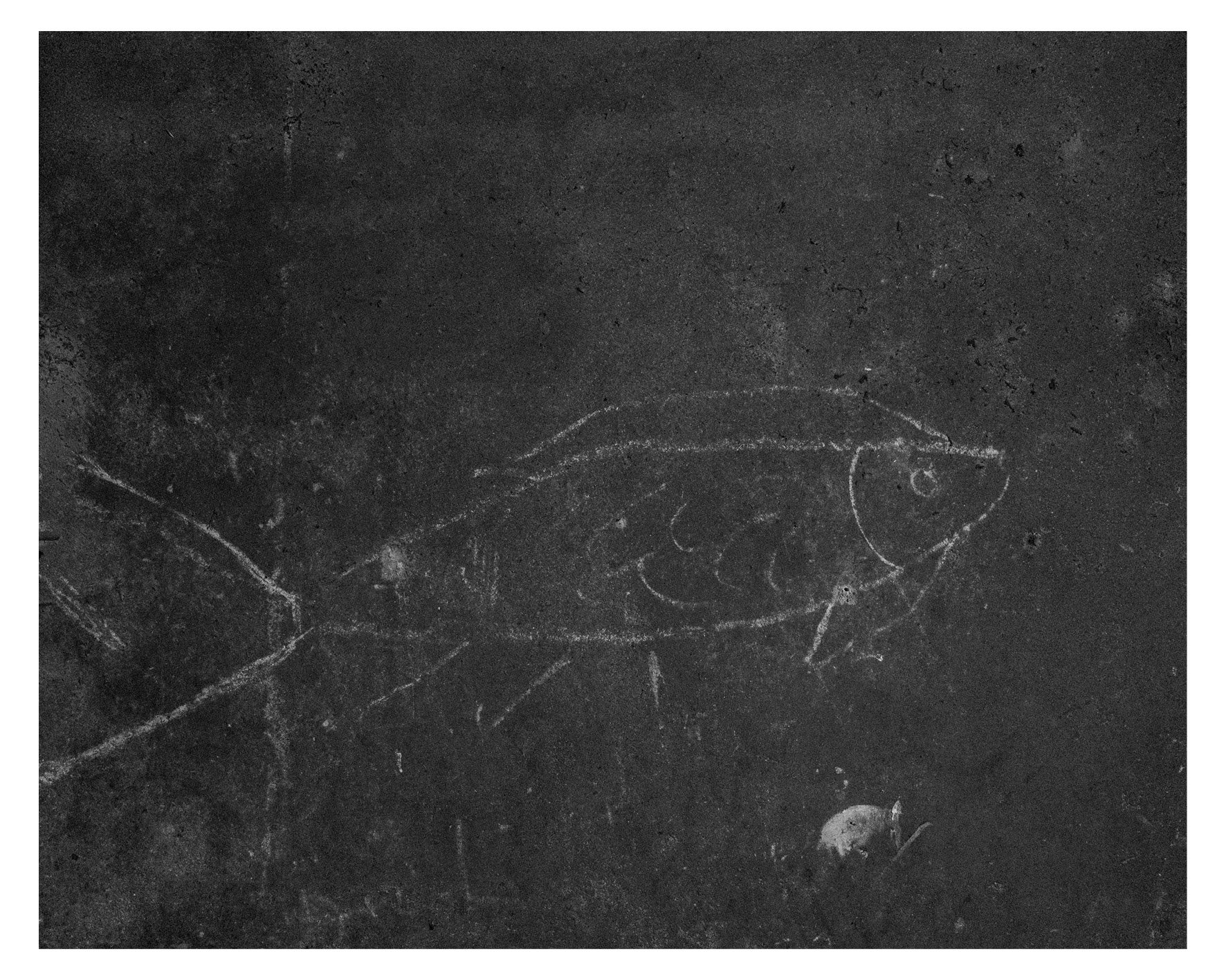
When Egypt’s High Dam was built, Lake Qarun’s connection to the Nile was cut. With rising salinity, untreated sewage, agricultural runoff, and climate change, the water became polluted, the fish disappeared, and the shoreline receded. This kind of exploitation doesn’t just harm the environment – it leaves its deepest marks on women, who are often the first to feel the pain when nature collapses, and the last to leave. They are rarely seen as part of the solution, yet through their silence, their longing, and their resilience, they shape the meaning of survival. Through the lens of ecofeminism, I aim to retell the story from the women’s perspective to restore the broken ties between people and place, between body and nature.
Florence Goupil
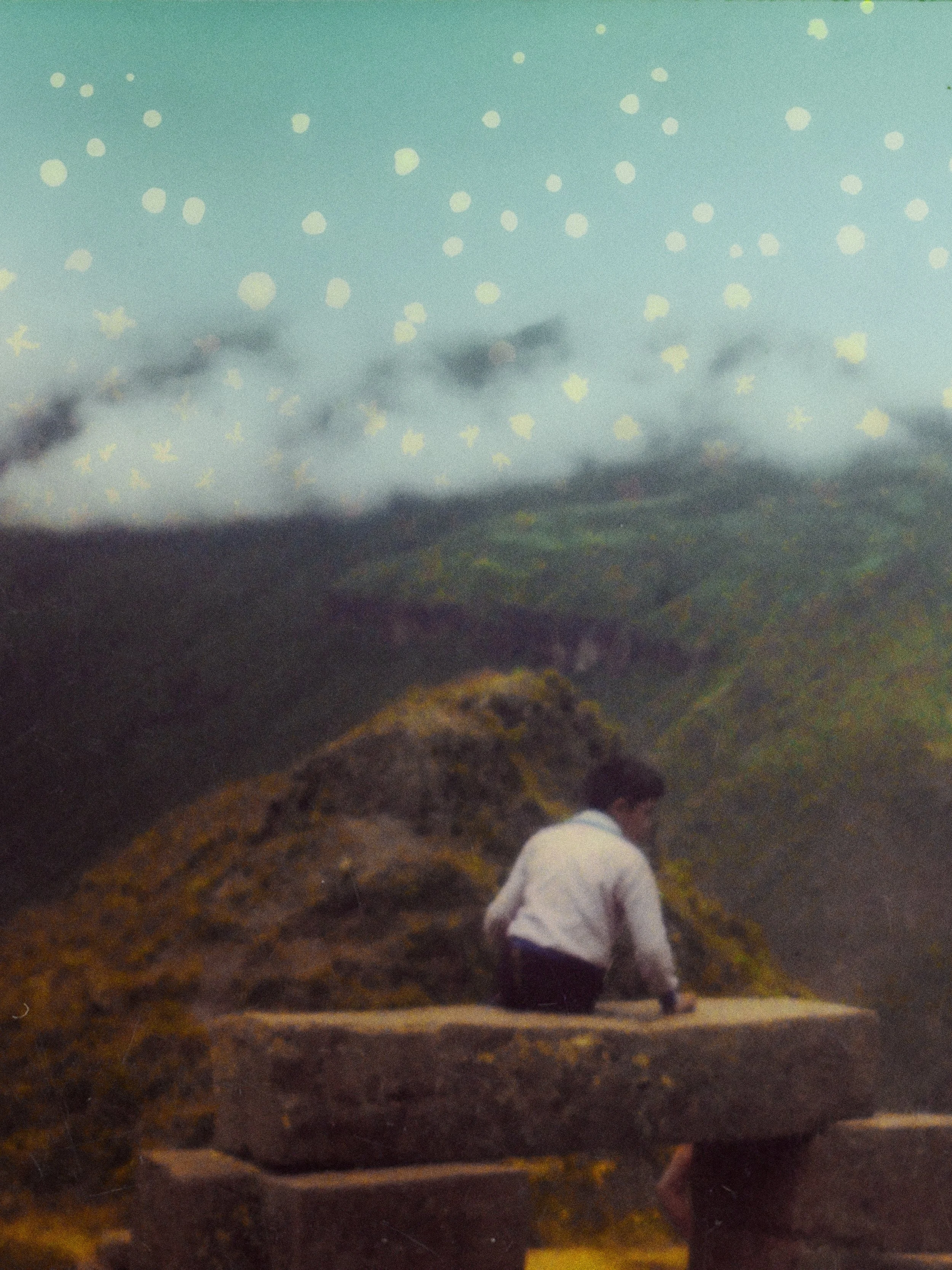
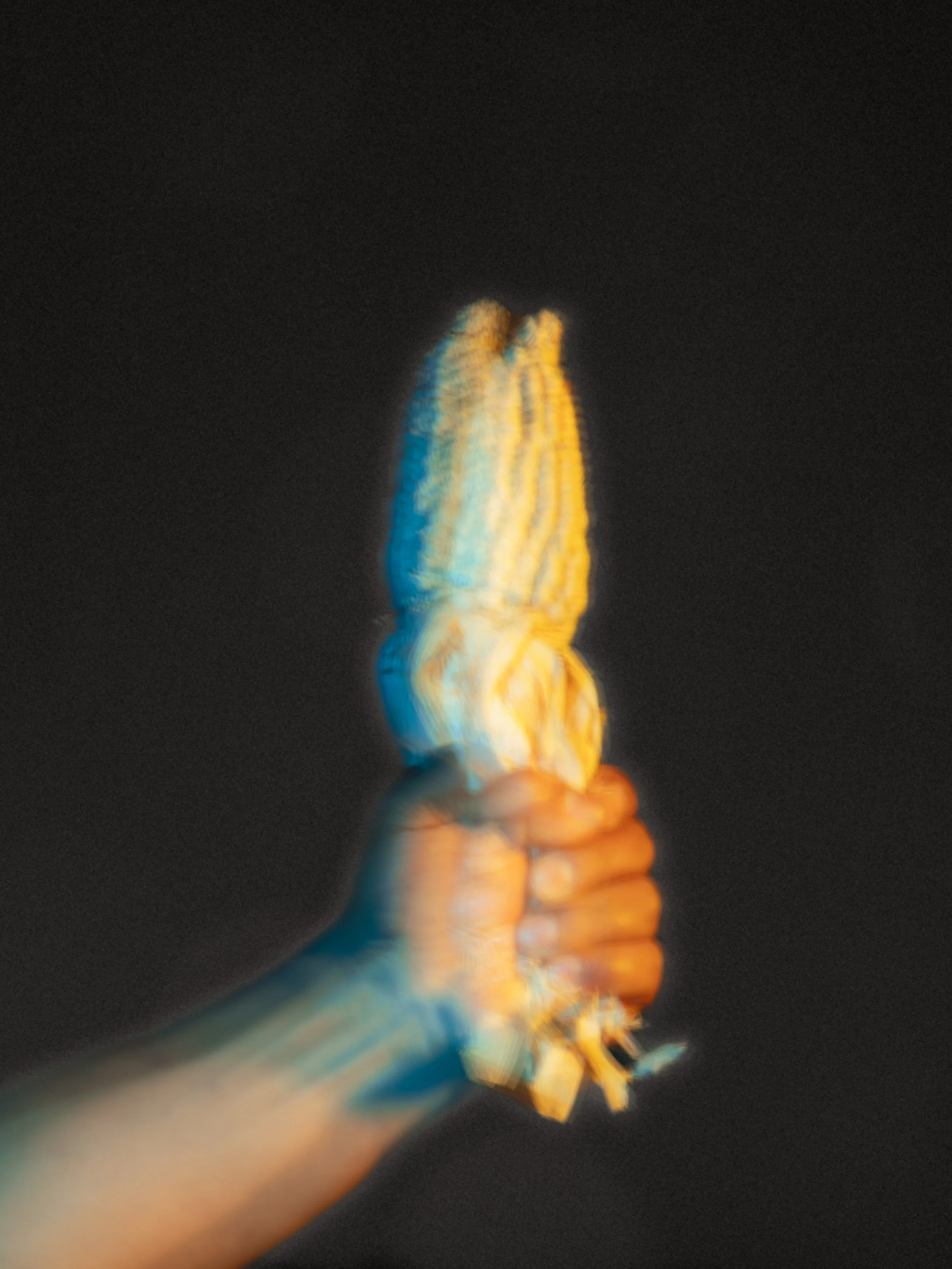
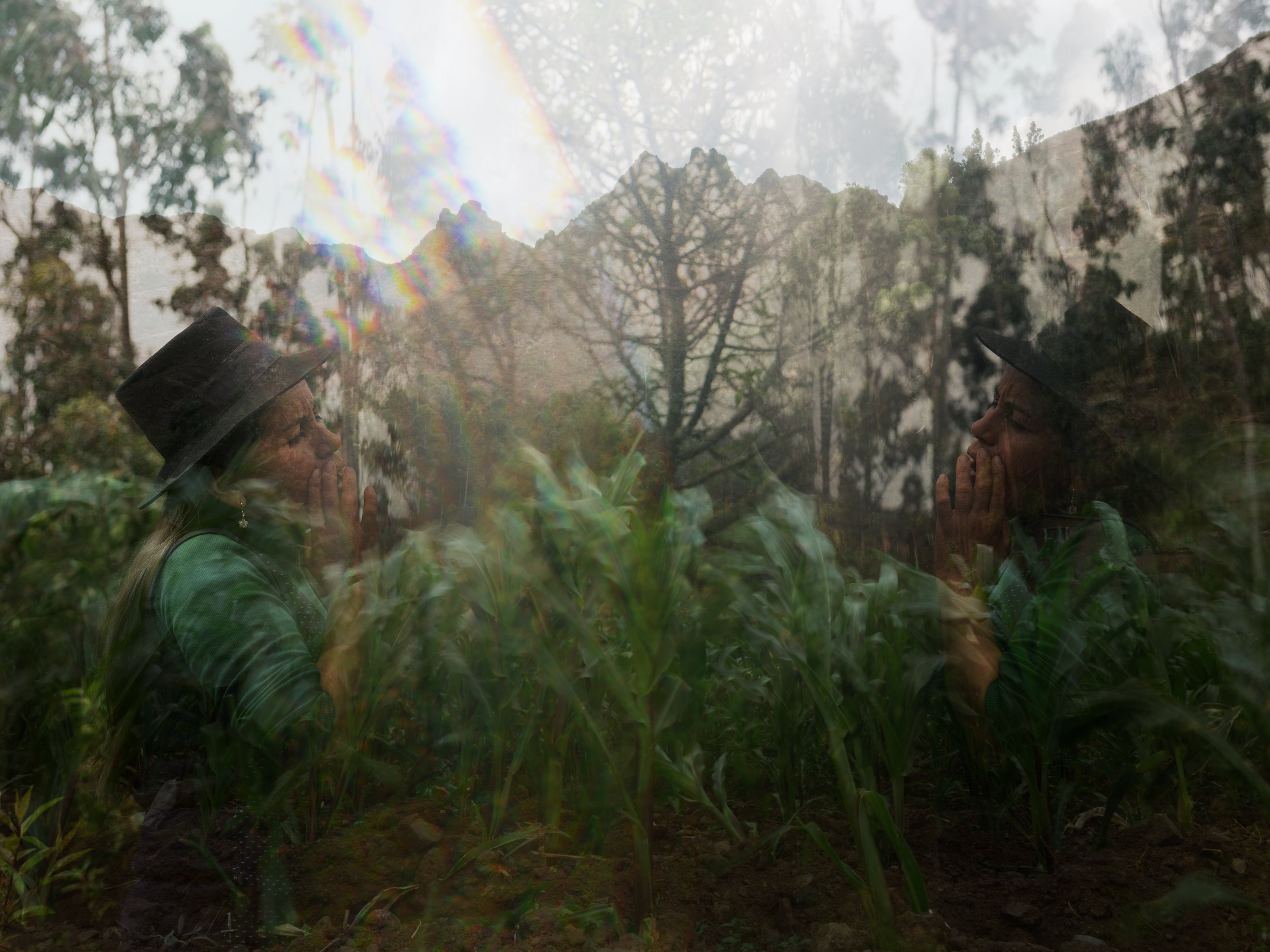
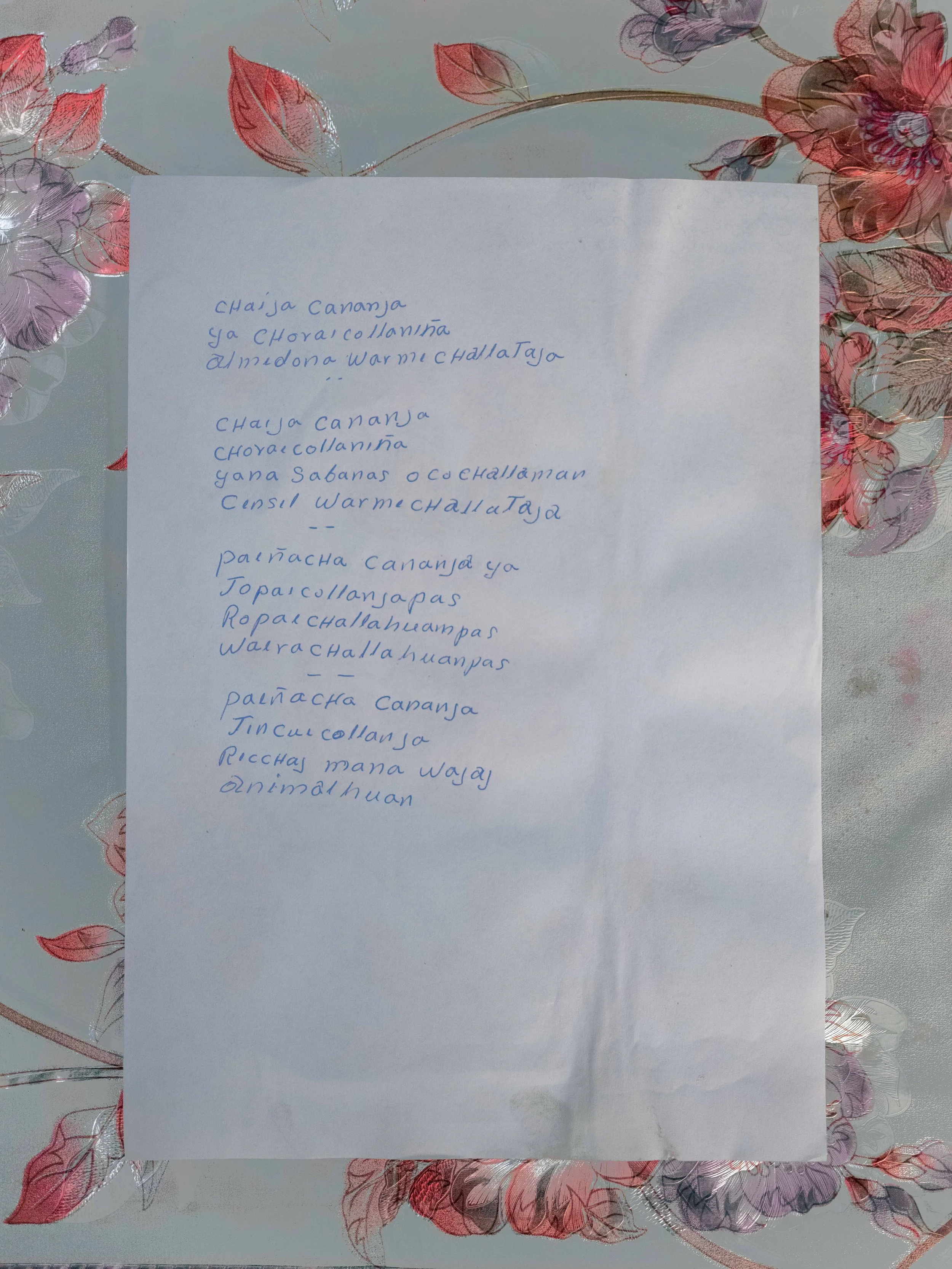
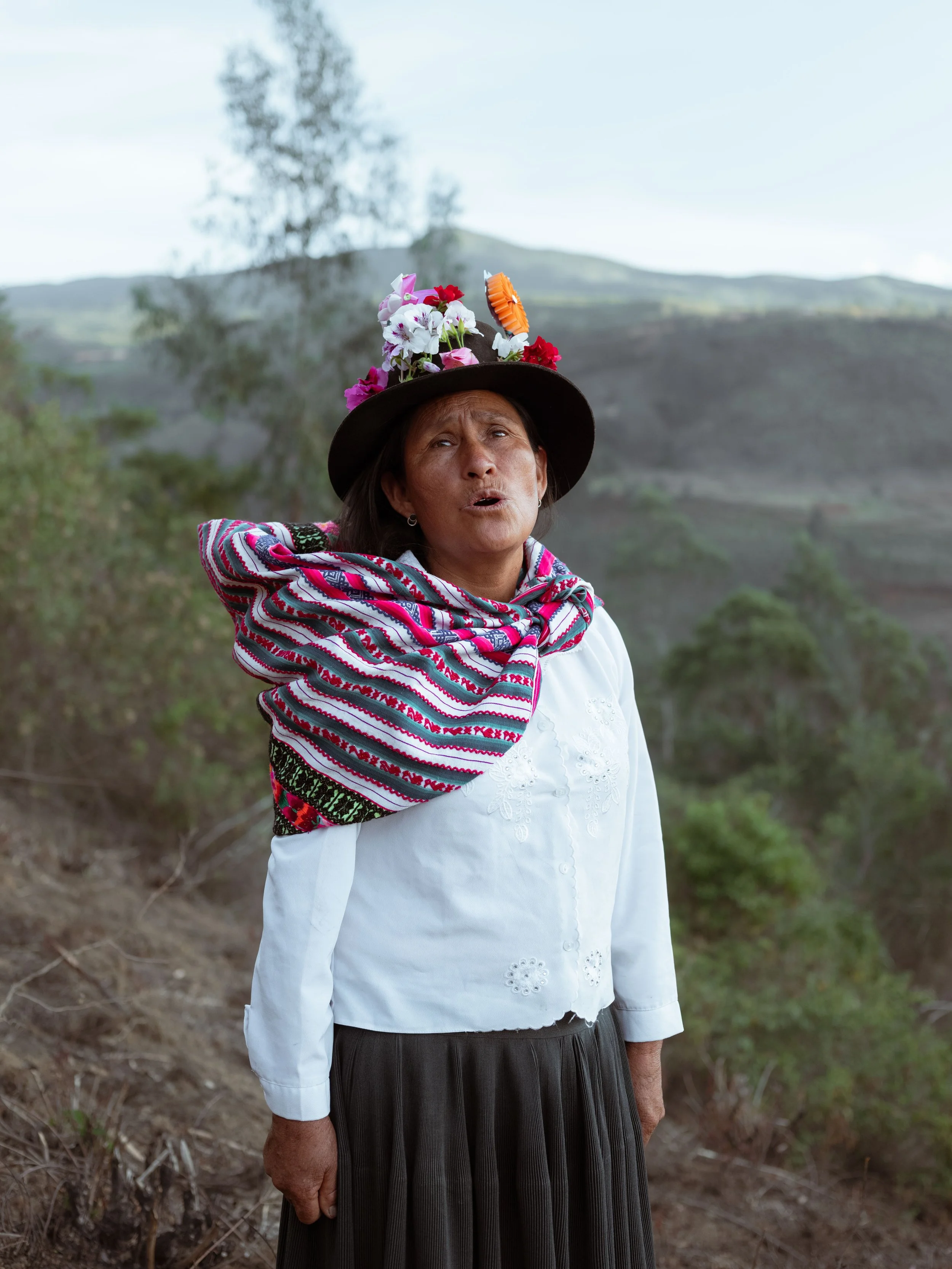
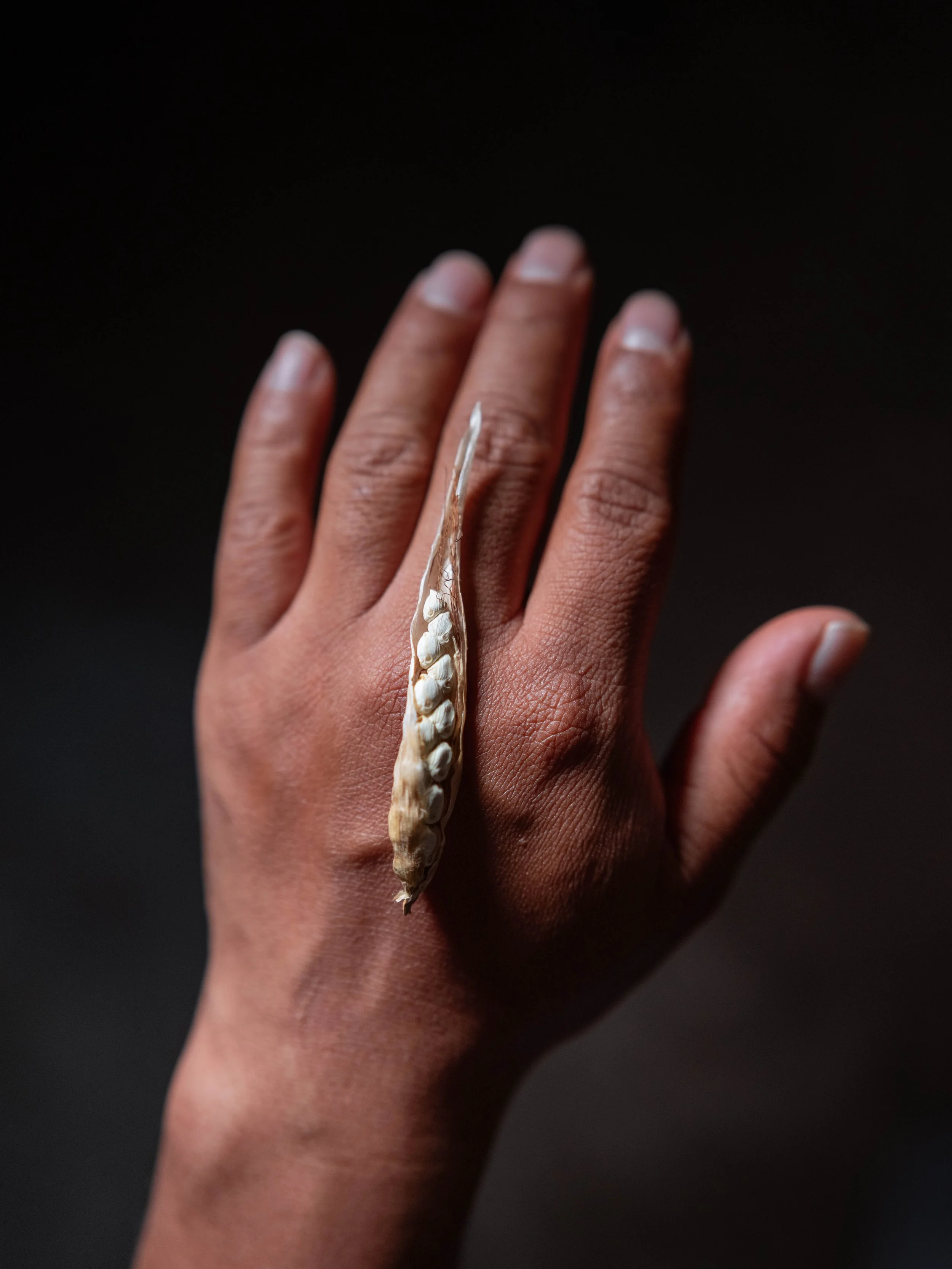
Peru | The Rain Callers
The Rain Callers is a multimedia project that documents the ancestral practice of Jarawi singers—Quechua and Wanka women in the Peruvian Andes who use polyphonic techniques to summon the rain, synchronize with agricultural cycles, and care for the land. Faced with devastating droughts, they recite pre-Columbian verses passed down from their grandmothers as a spiritual and ecological form of resistance.



Giya Makondo-Wills
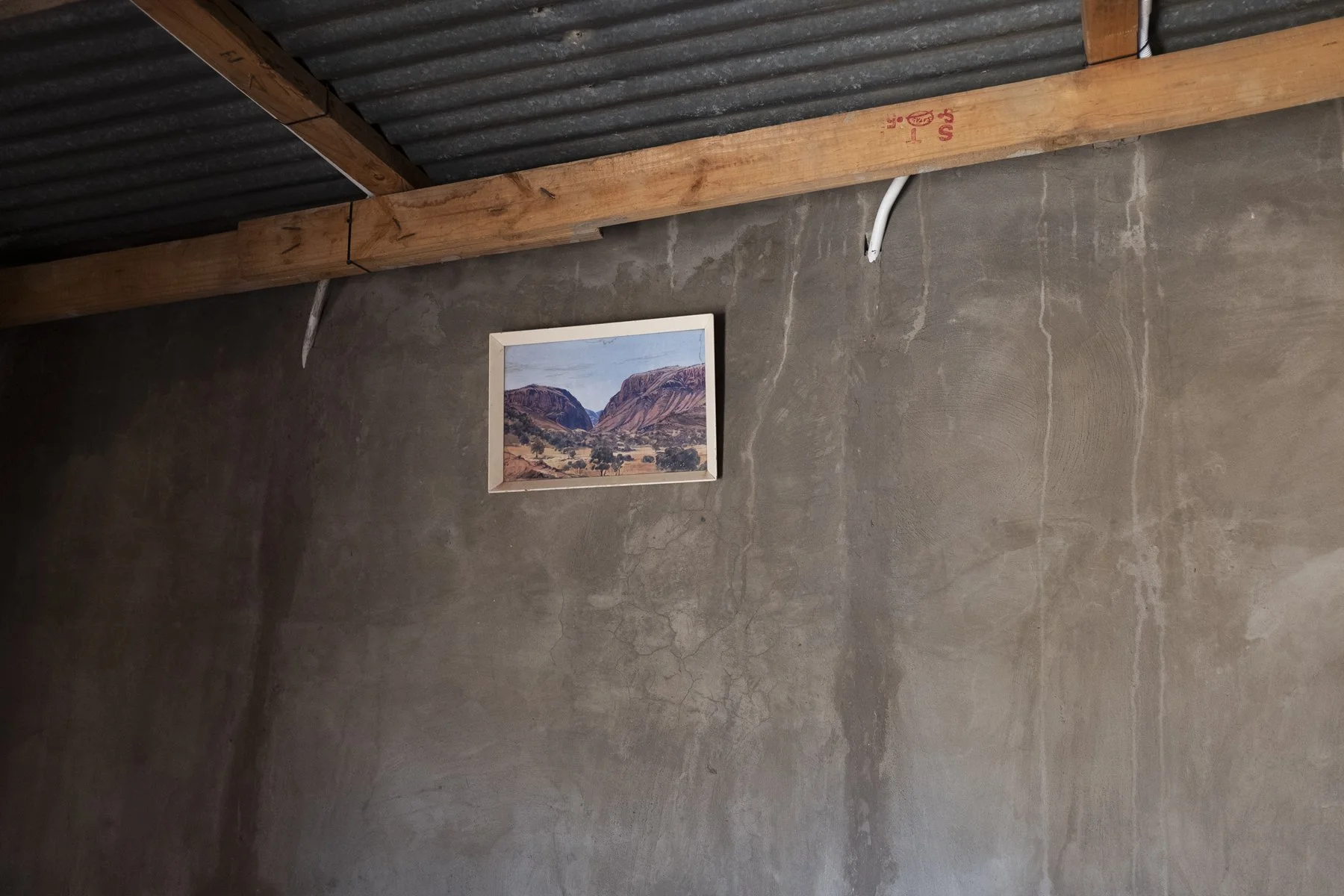
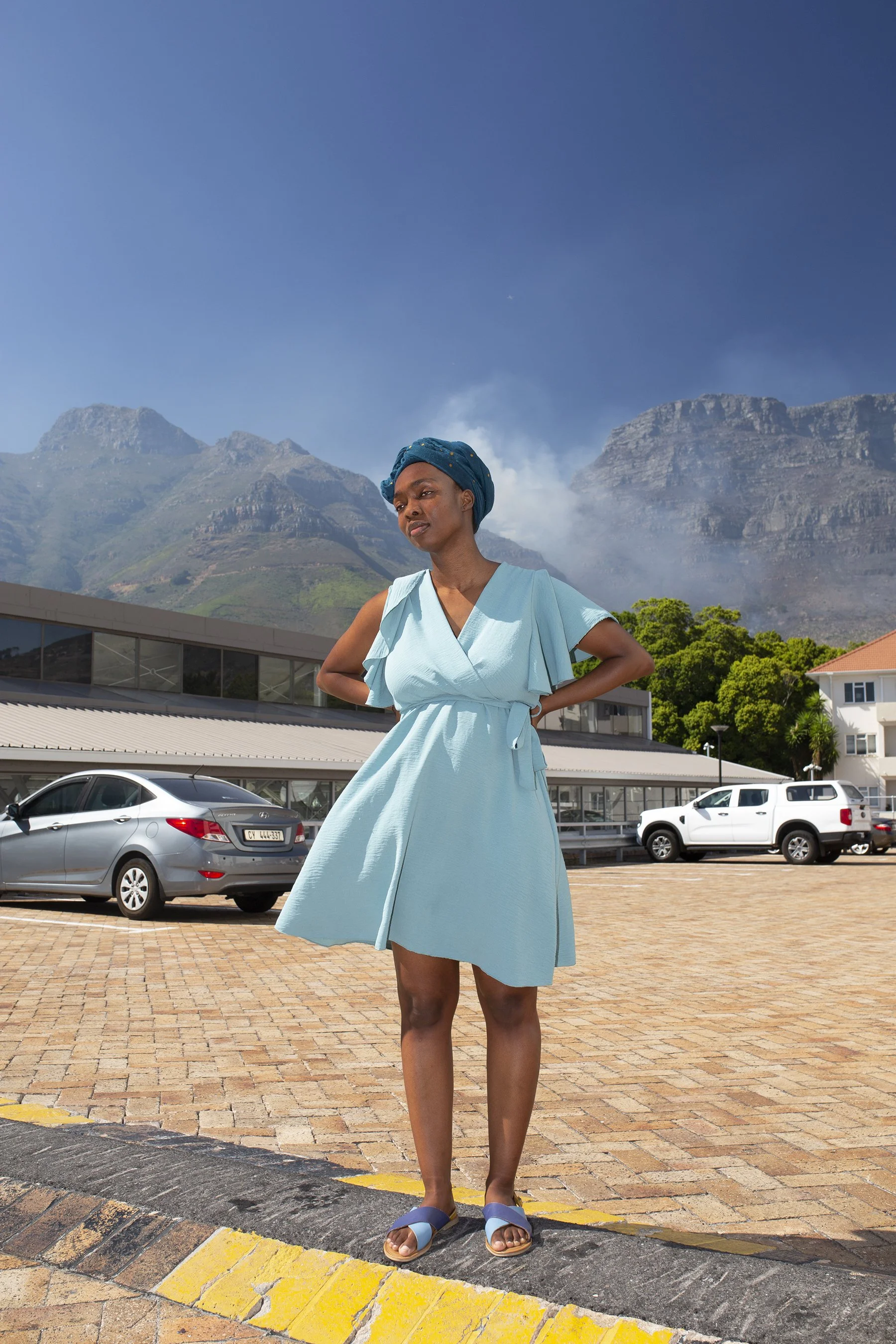
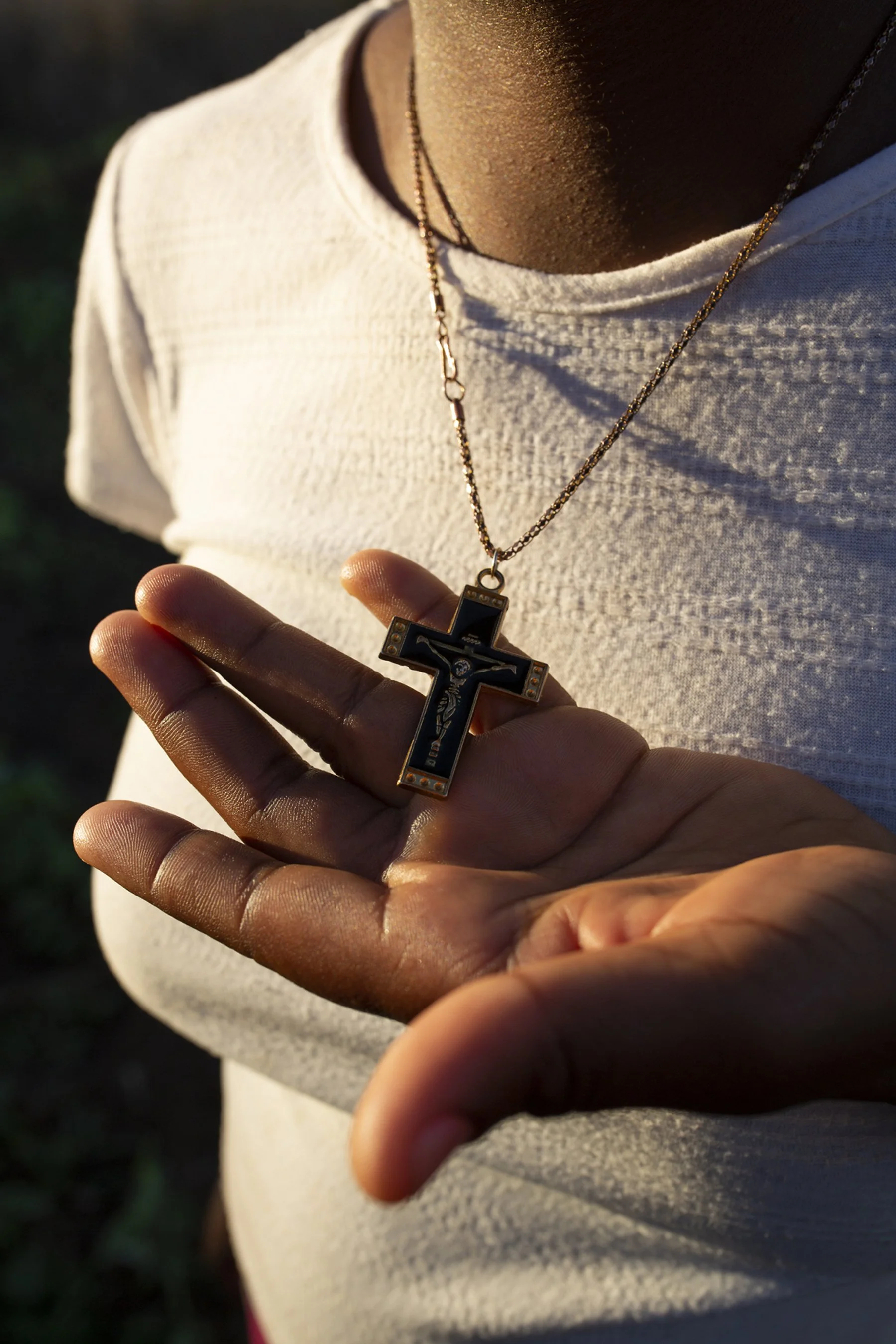
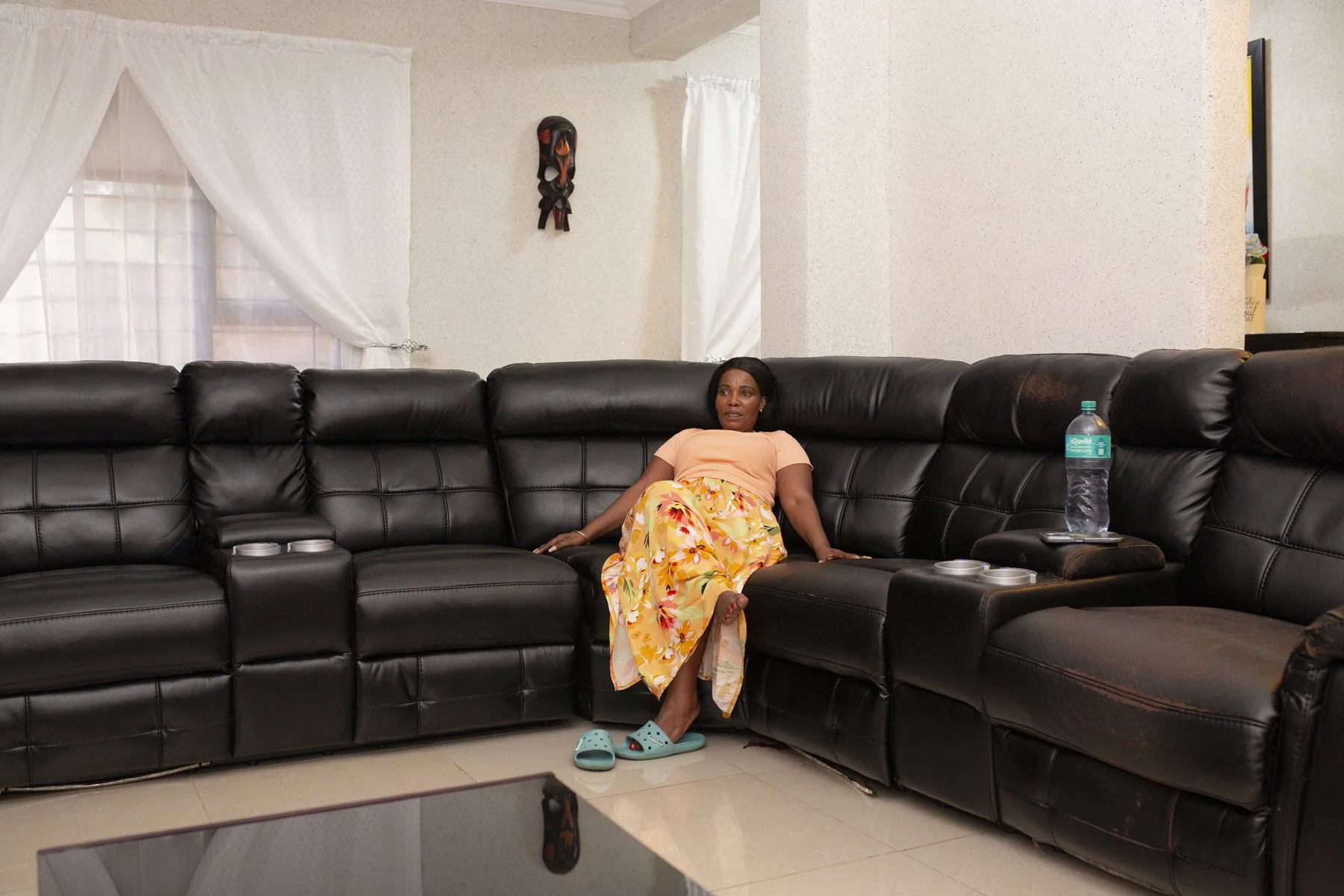
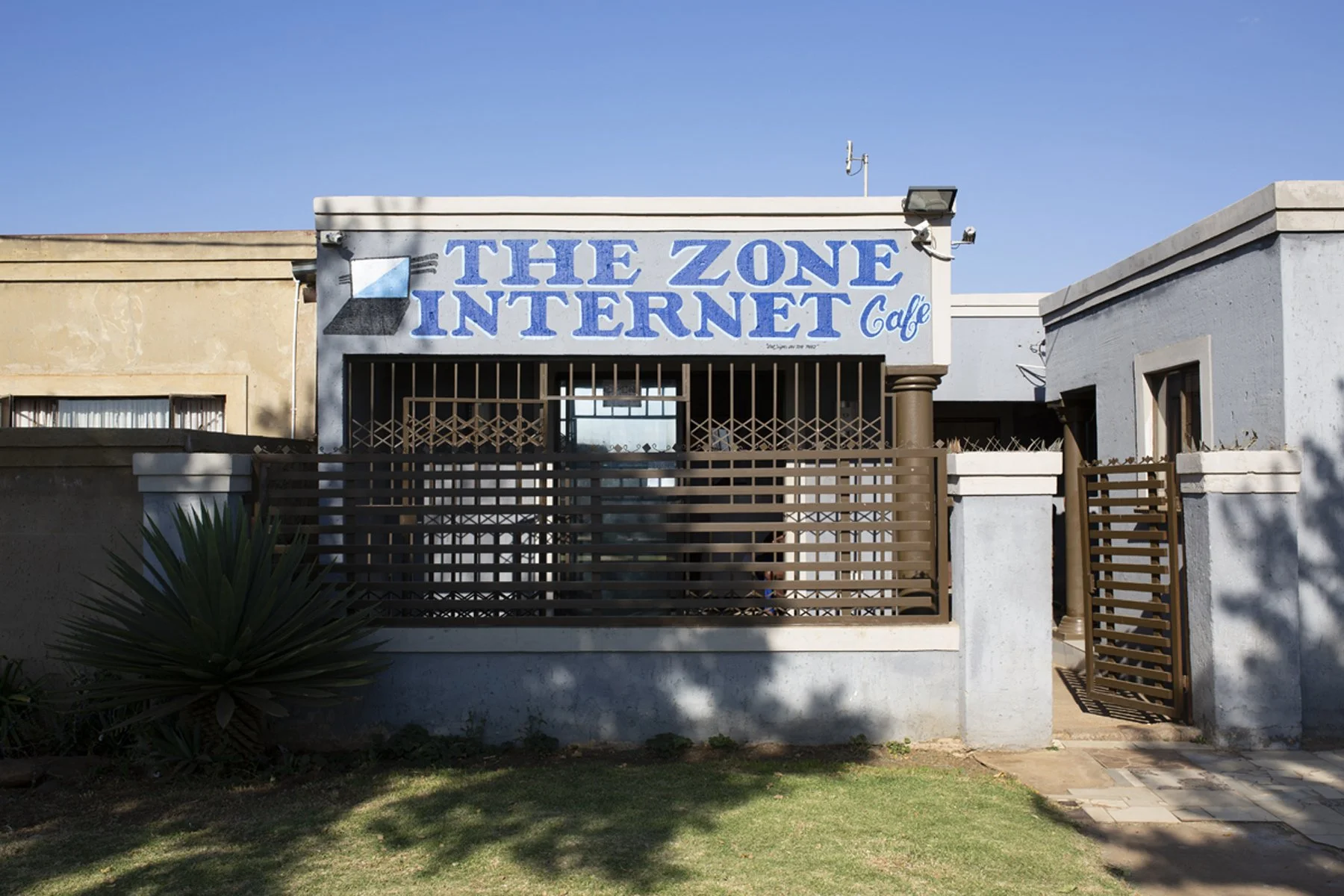
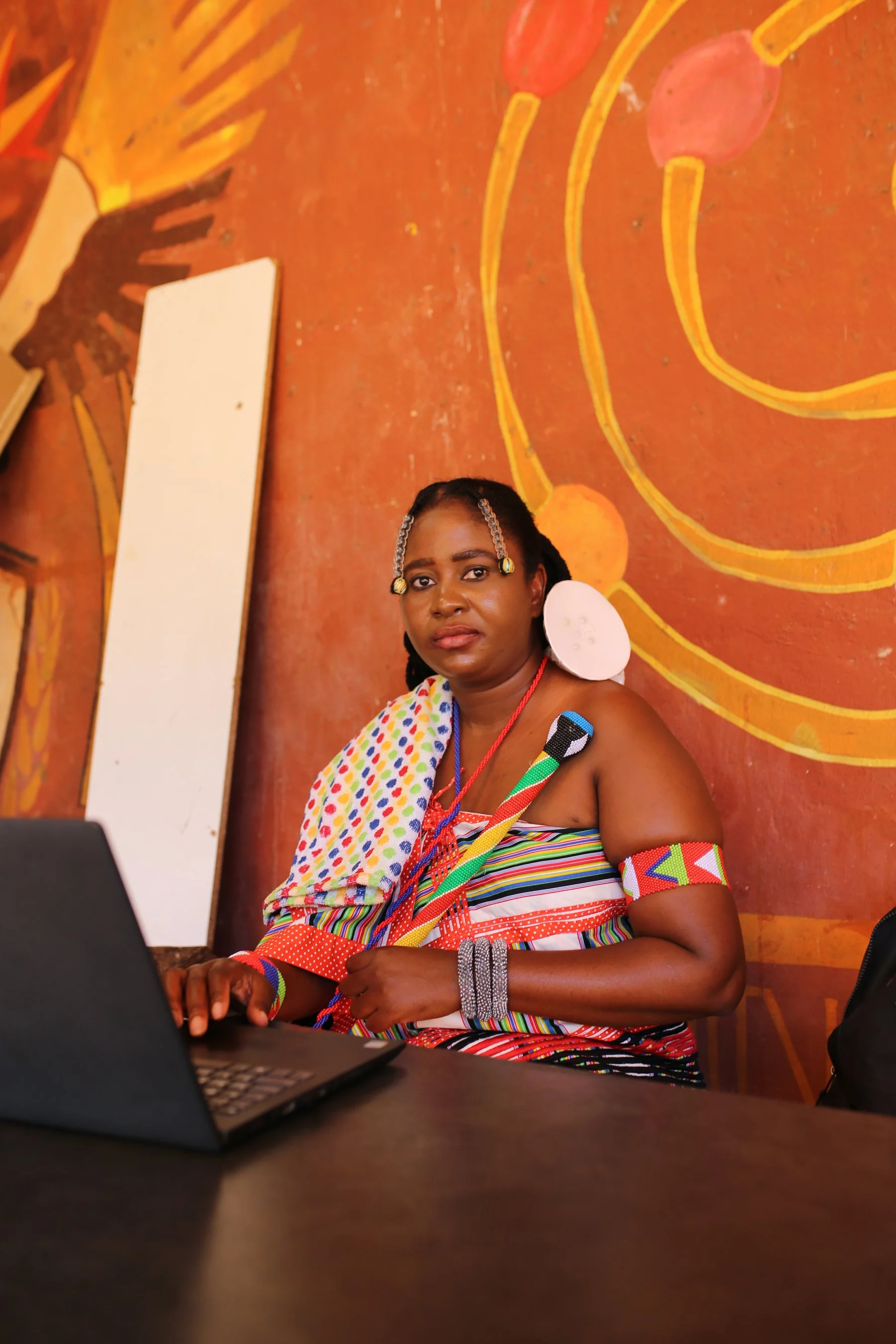
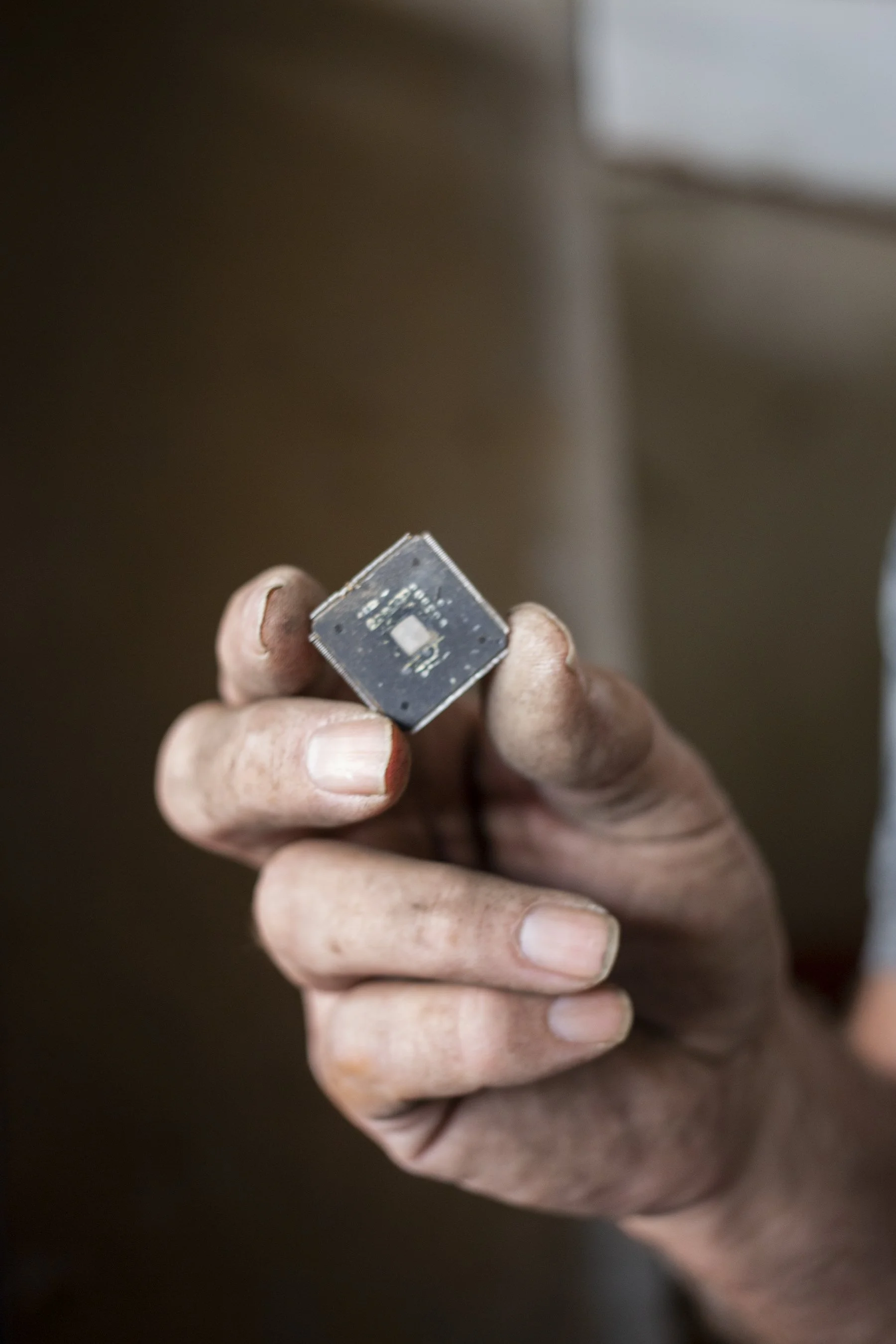
United Kingdom / South Africa | New Scramble
In 2017, data overtook oil as the world’s most valuable commodity. In South Africa, the rapid proliferation of data centres has placed immense strain on precarious local infrastructures and natural resources.
Once, stories and communication helped us make sense of mystery and disaster. Today, they are coded, stored, and commodified. In this work, I reference ancestral practices, folklore, and creation stories to consider how narratives transform as they traverse fibre optic sub-sea cables and over-heating servers – going from the intangible to the physical and back again.



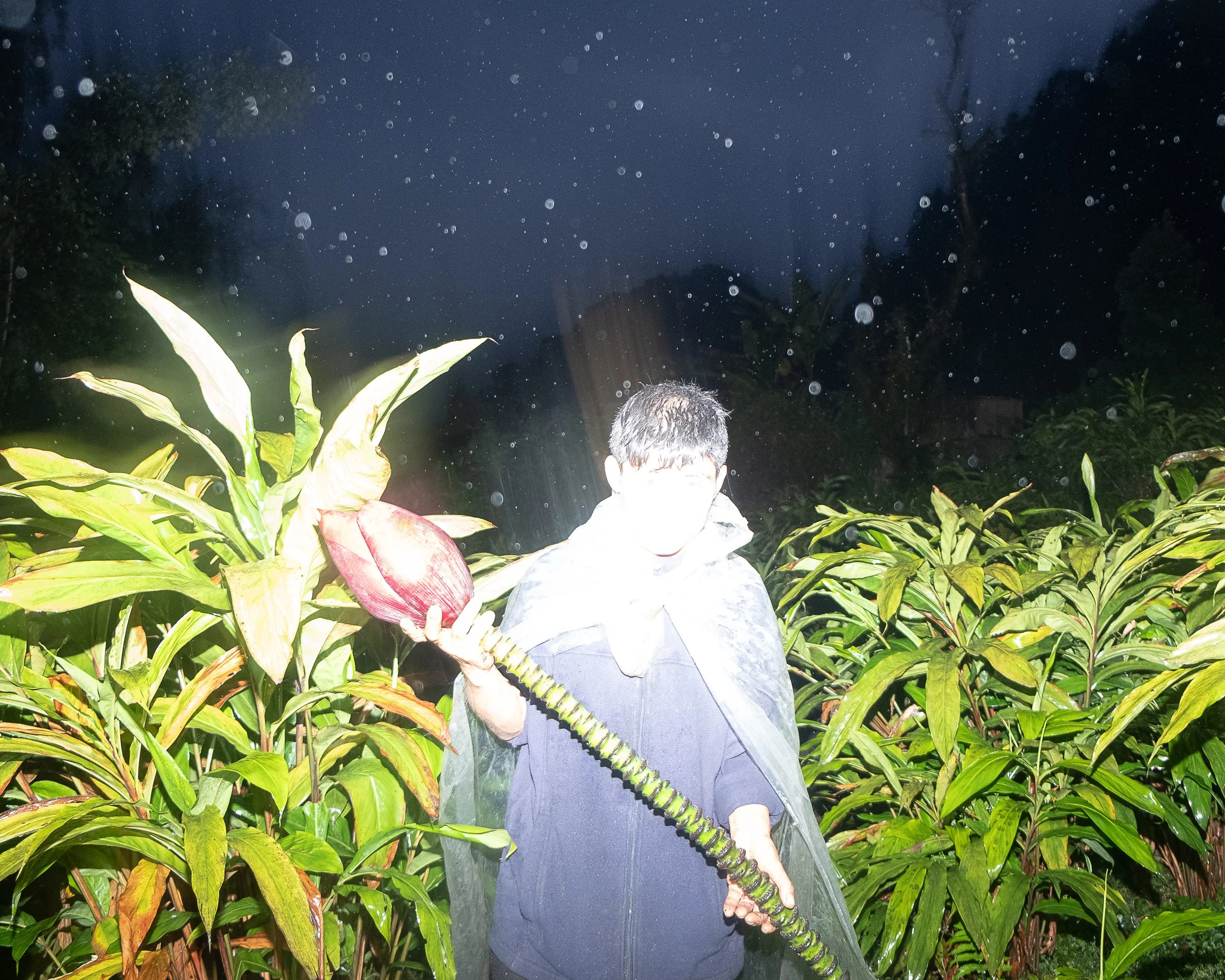
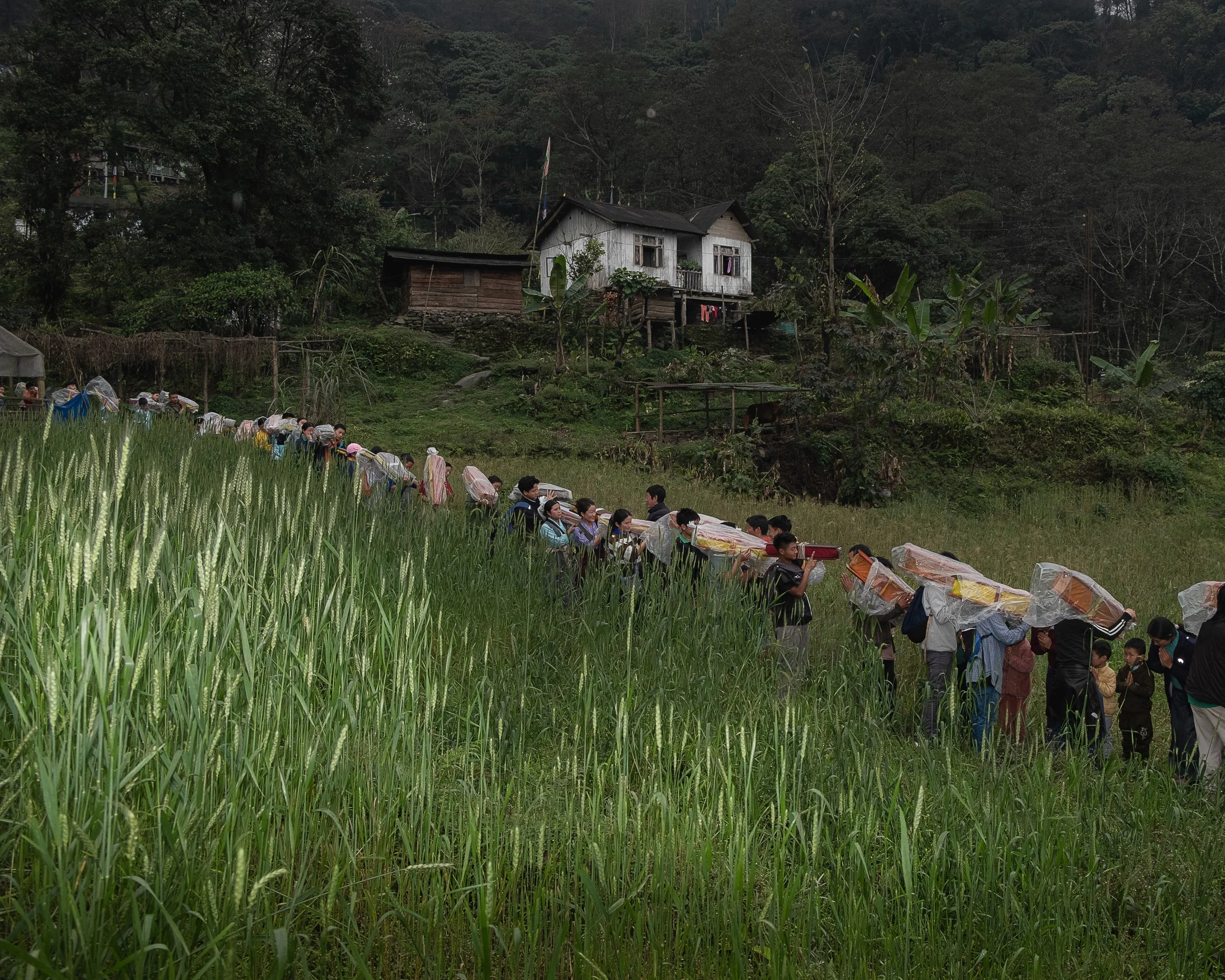
Kunga Tashi Lepcha
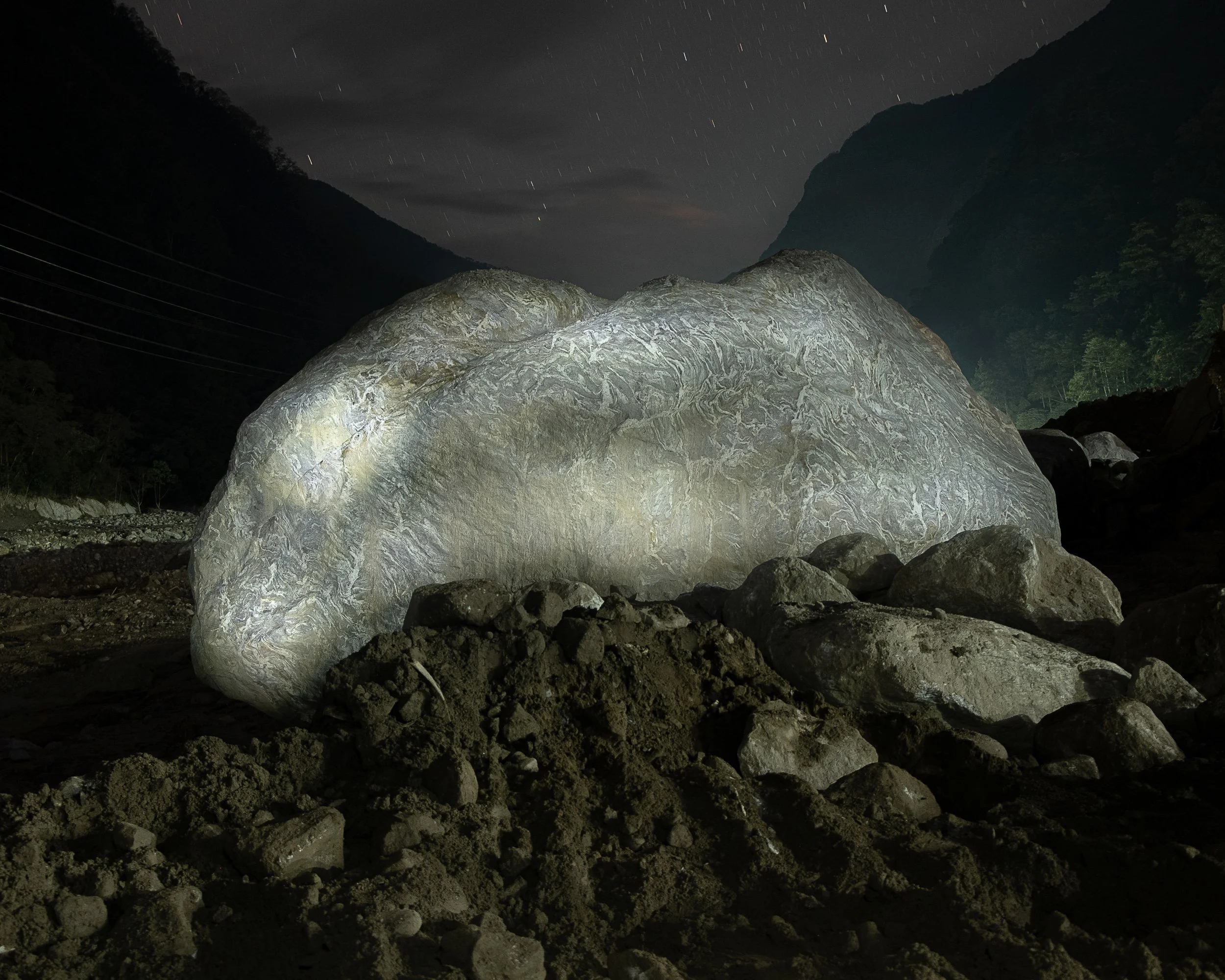
India | Children of the Snowy Peak
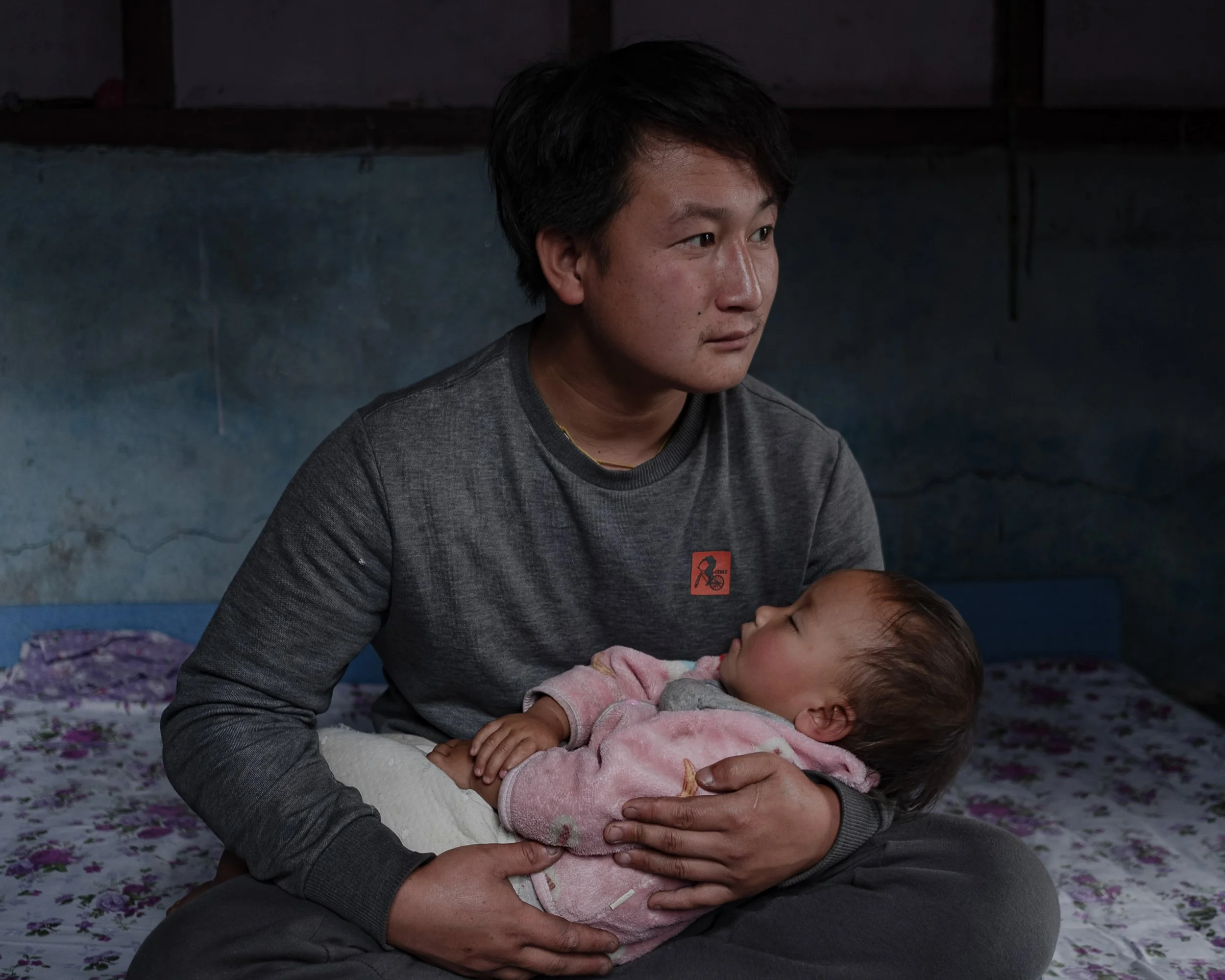
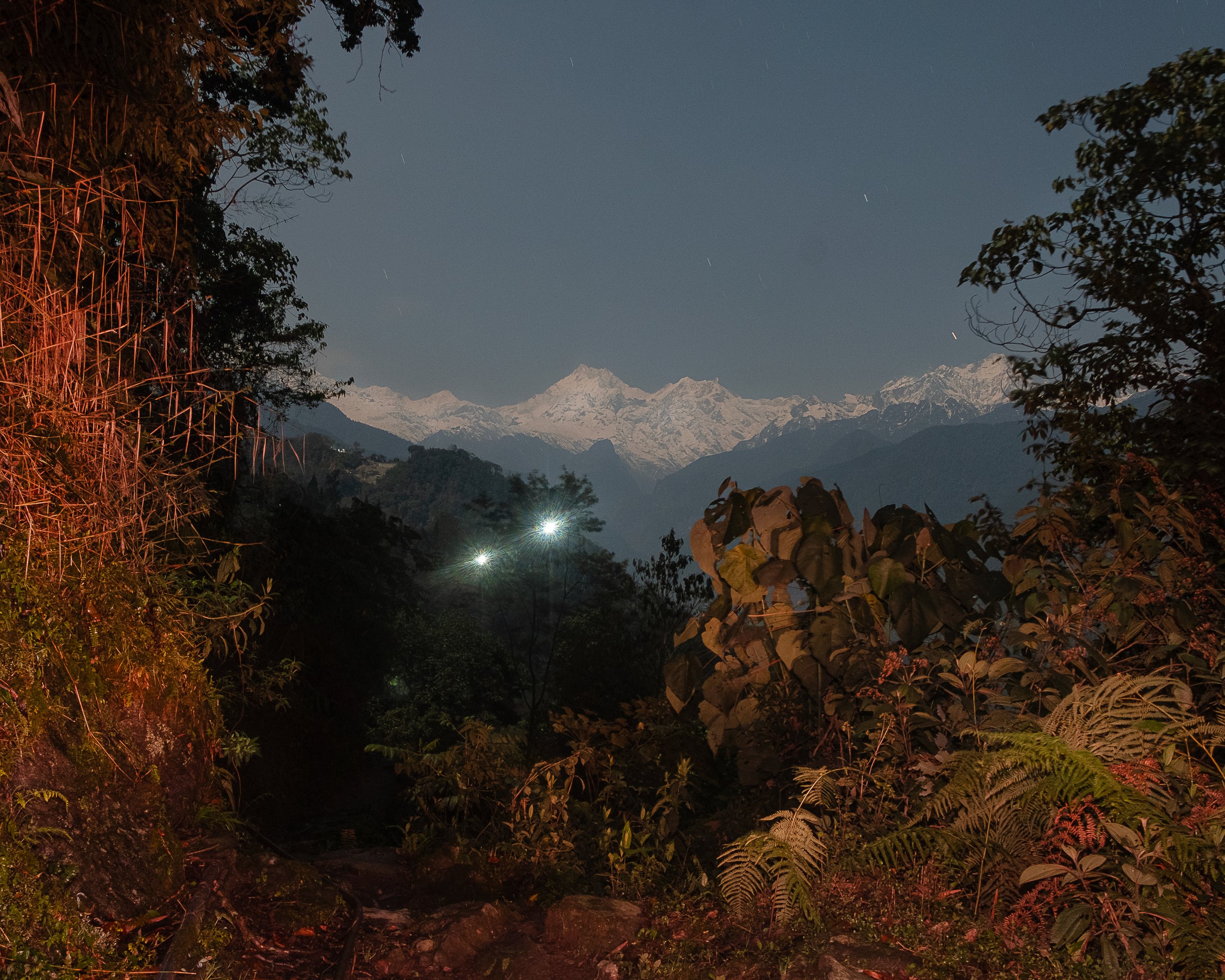
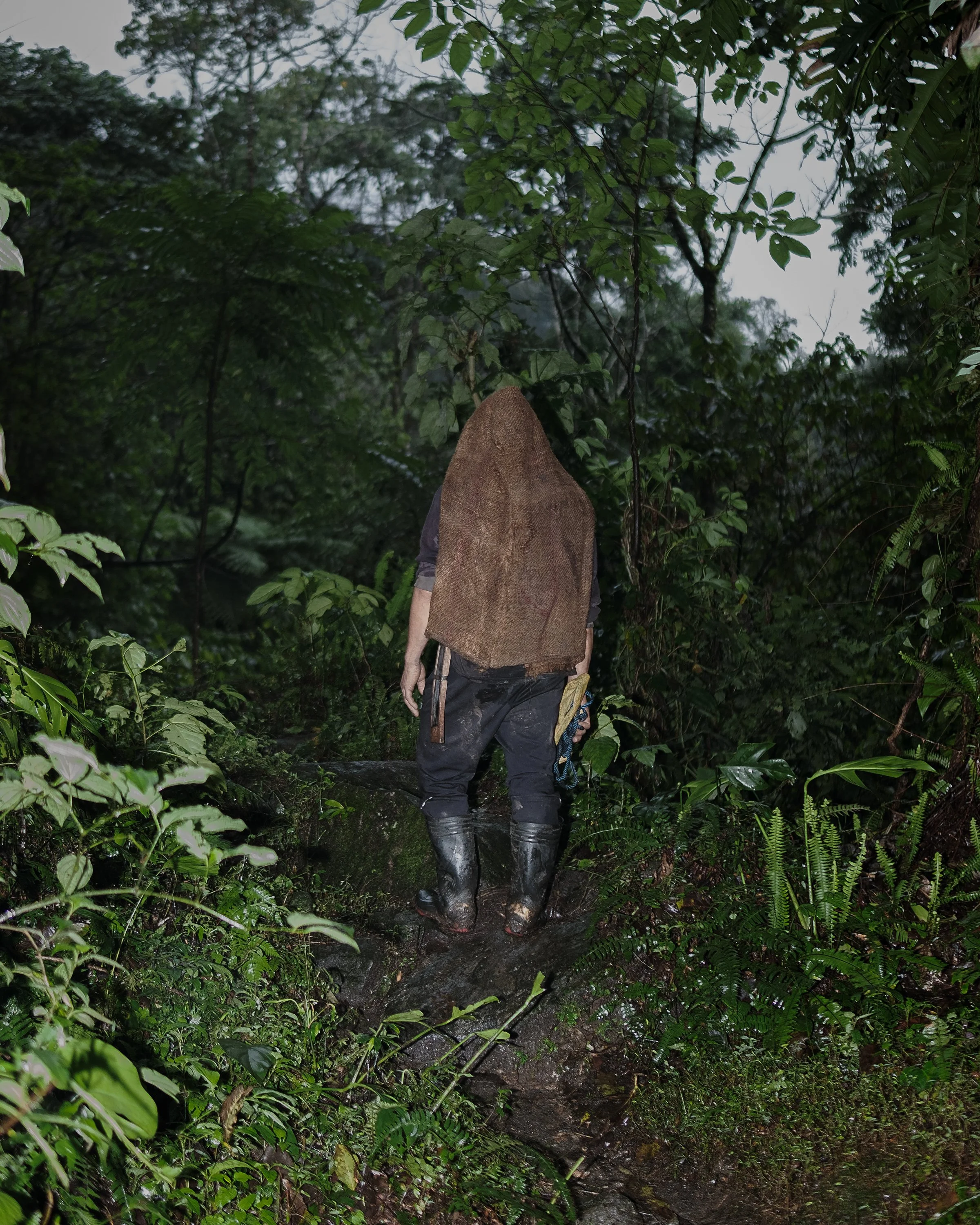
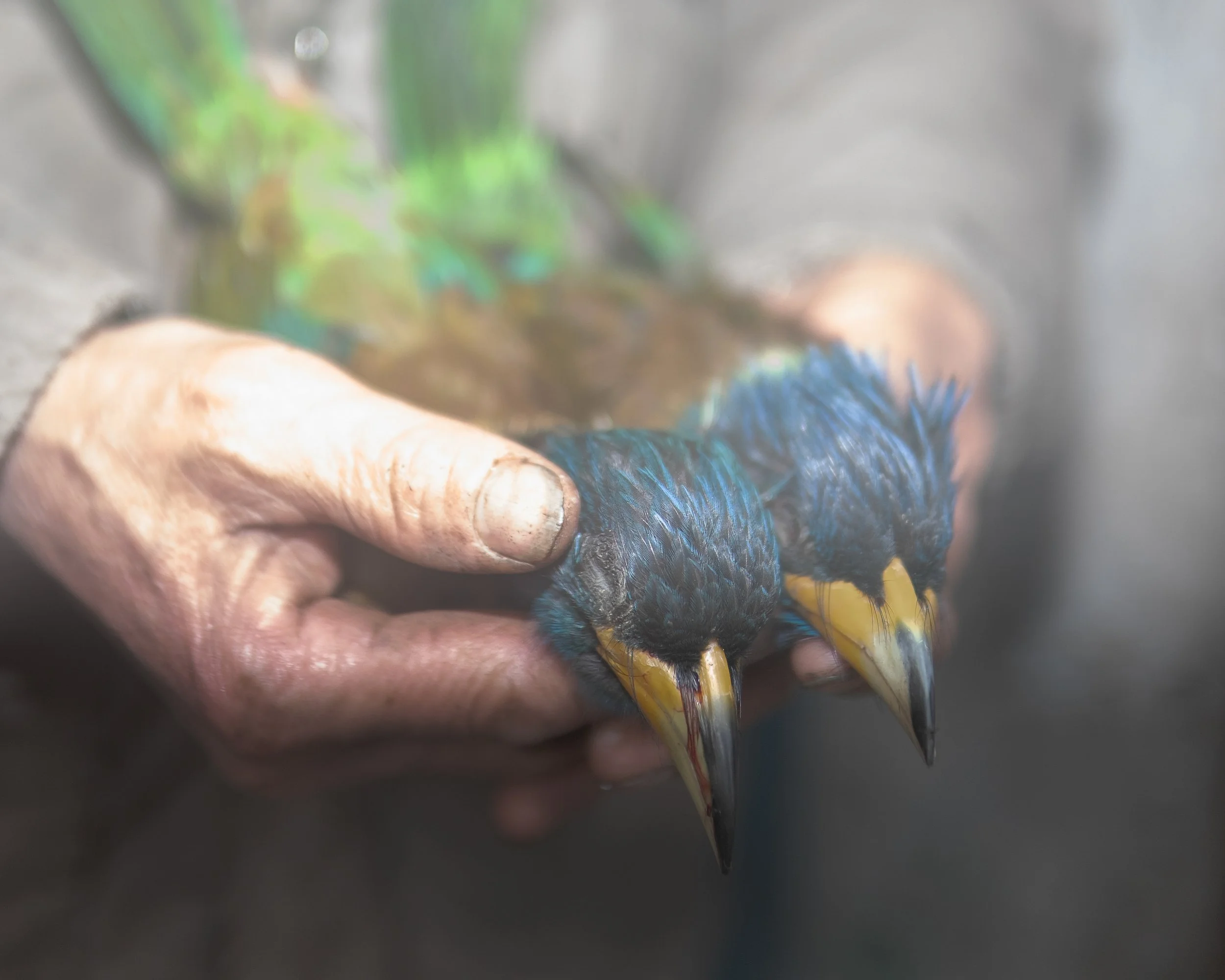
The project unfolds in Dzongu Valley along the Teesta River in Sikkim, India—a space venerated by Lepcha communities and protected for generations, yet increasingly threatened by hydropower expansion and ecological instability. Rooted in memory, mythology, and landscape, Children of the Snowy Peak combines photographs, sound, text, archives, and community collaboration to navigate the in-between spaces of the Lepcha world view—based on memories of our ancestors passed down to us through mythology and oral stories, and our present lived reality at the edge of nation building, capitalism, and climate change.


Luis Antonio Rojas
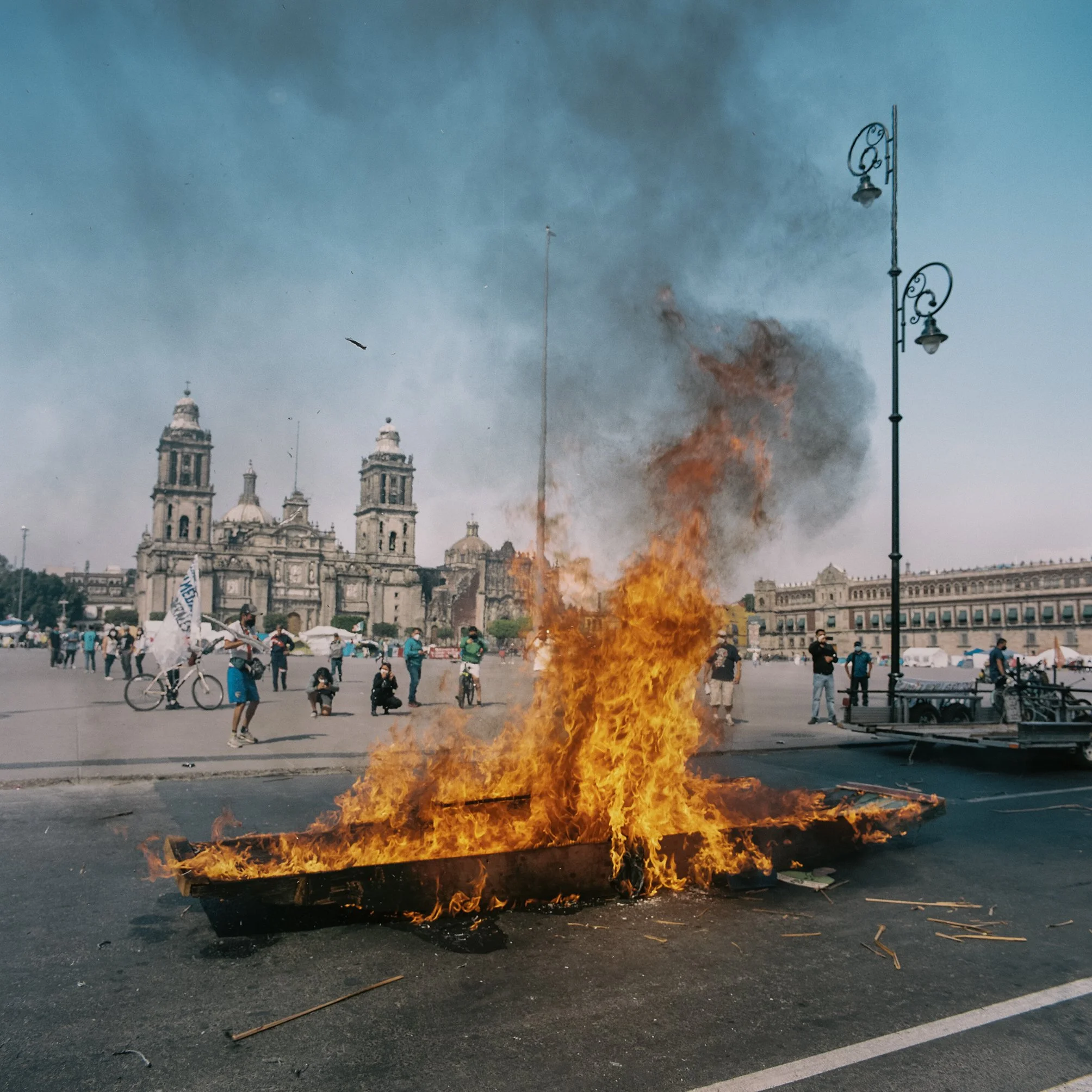
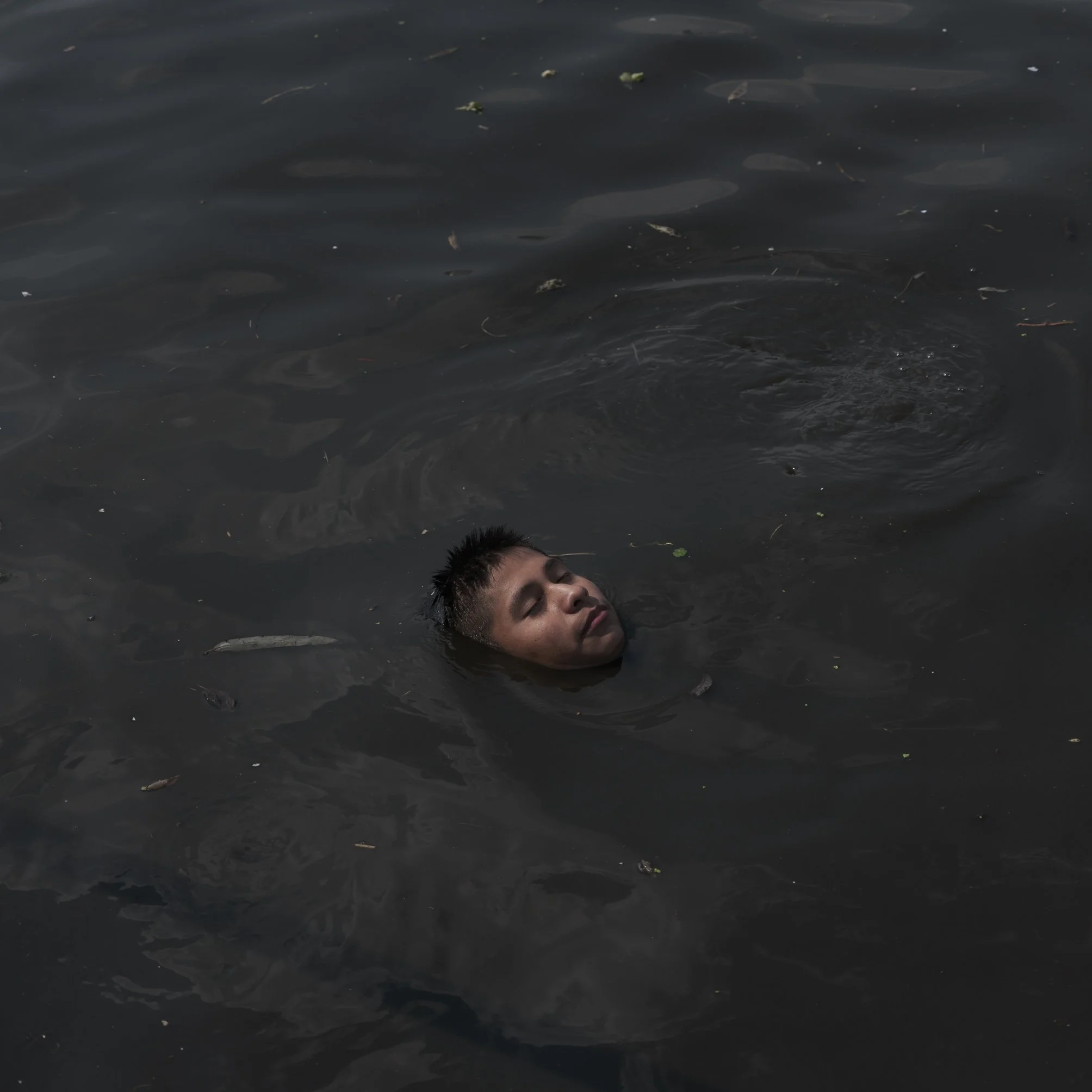
Mexico | …here, there was a lake
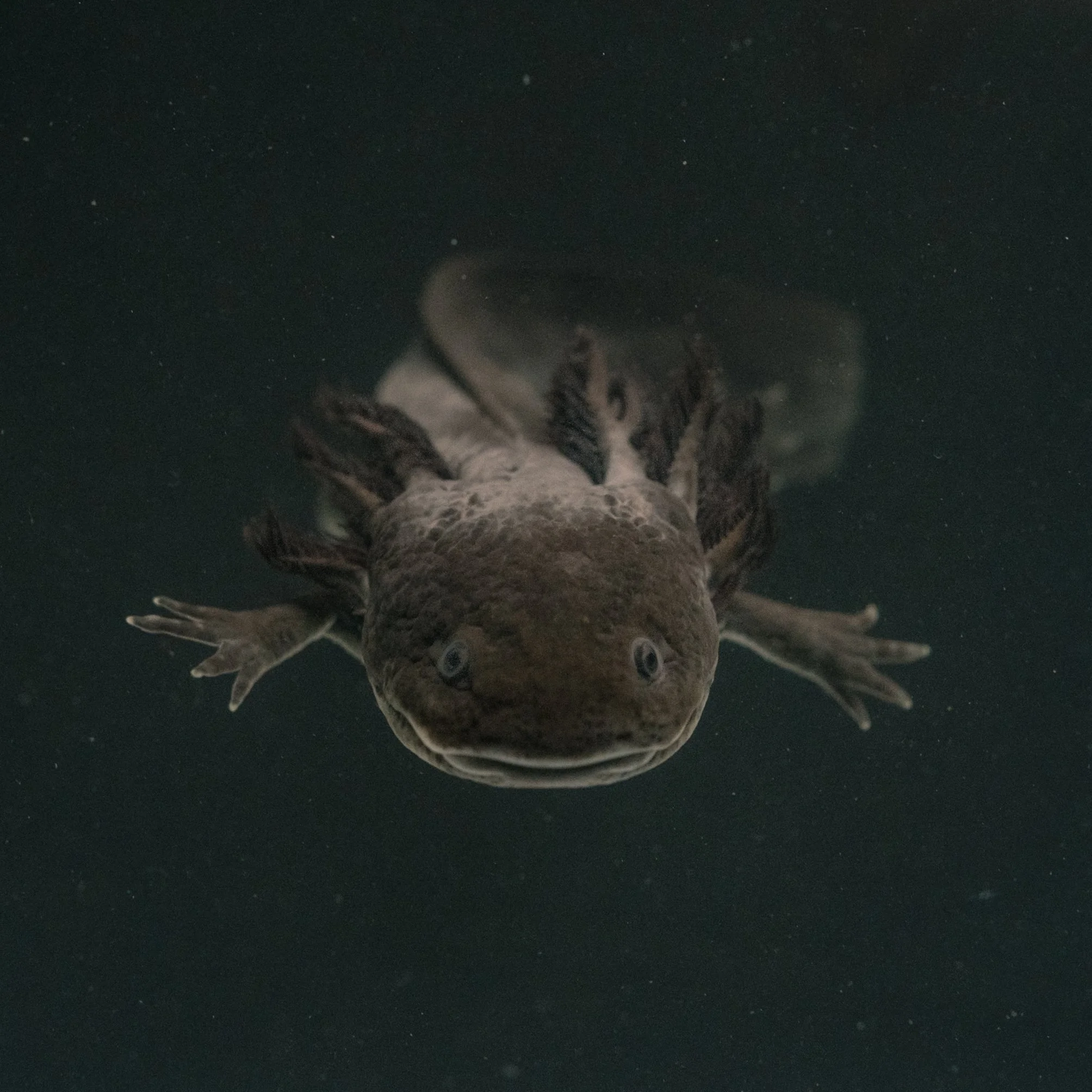
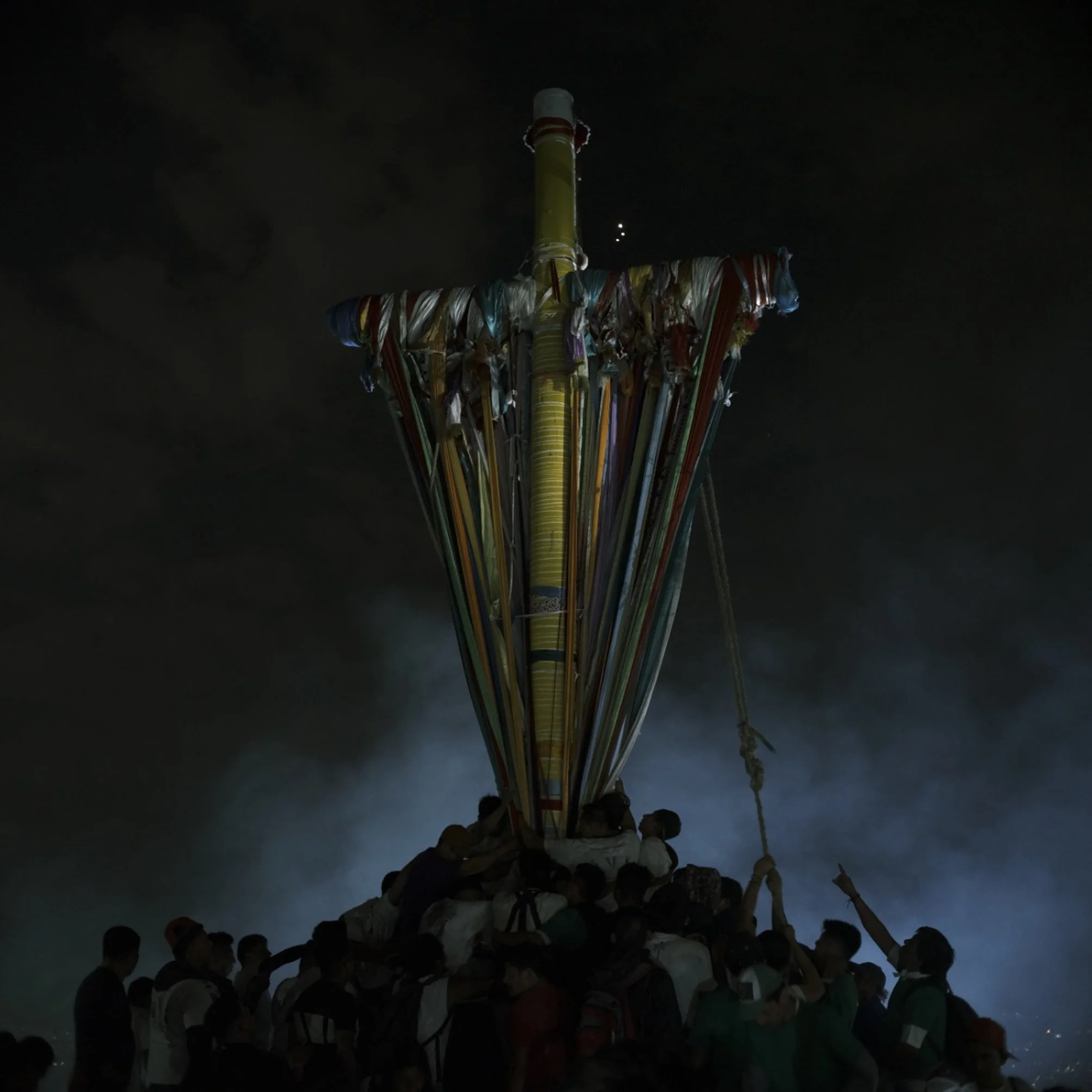
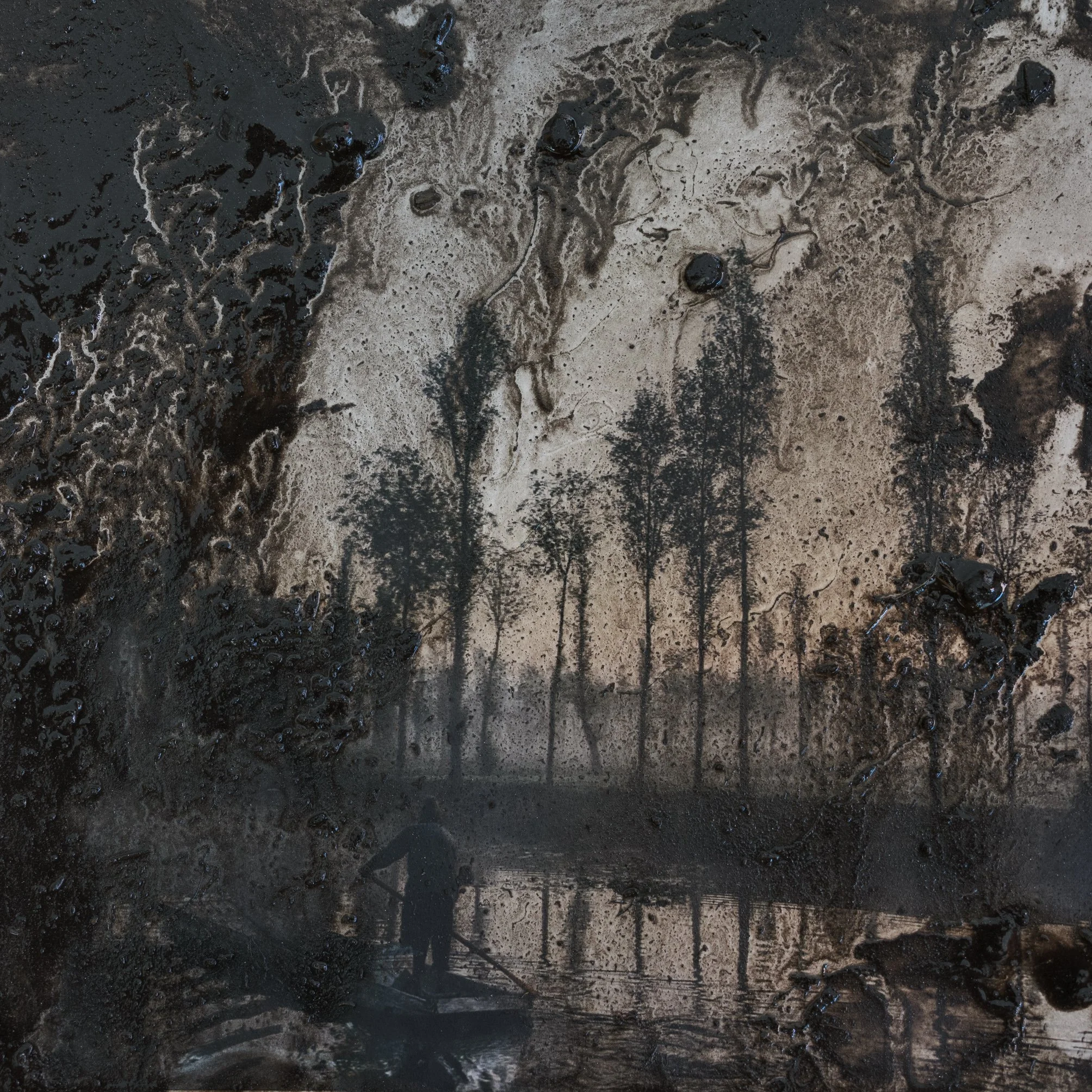
On the outskirts of Mexico City, agricultural communities on the Xochimilco wetland fight to maintain pre-Hispanic cultural roots amid urban growth and gentrification. Working in collaboration with local residents, the project explores the narratives embedded in Xochimilco, bringing archive, poetry, music, imagery, organic materials, and rituals into a shared dialogue. Contesting the spectacle of popular tourist boat tours in the canals, these journeys open space for conversations and reflections on a drying wetland in resistance, caught between its pre-Hispanic cultural roots and the pressures of capitalist urbanization.

Ofoe Amegavie
Ghana | Between sand and water
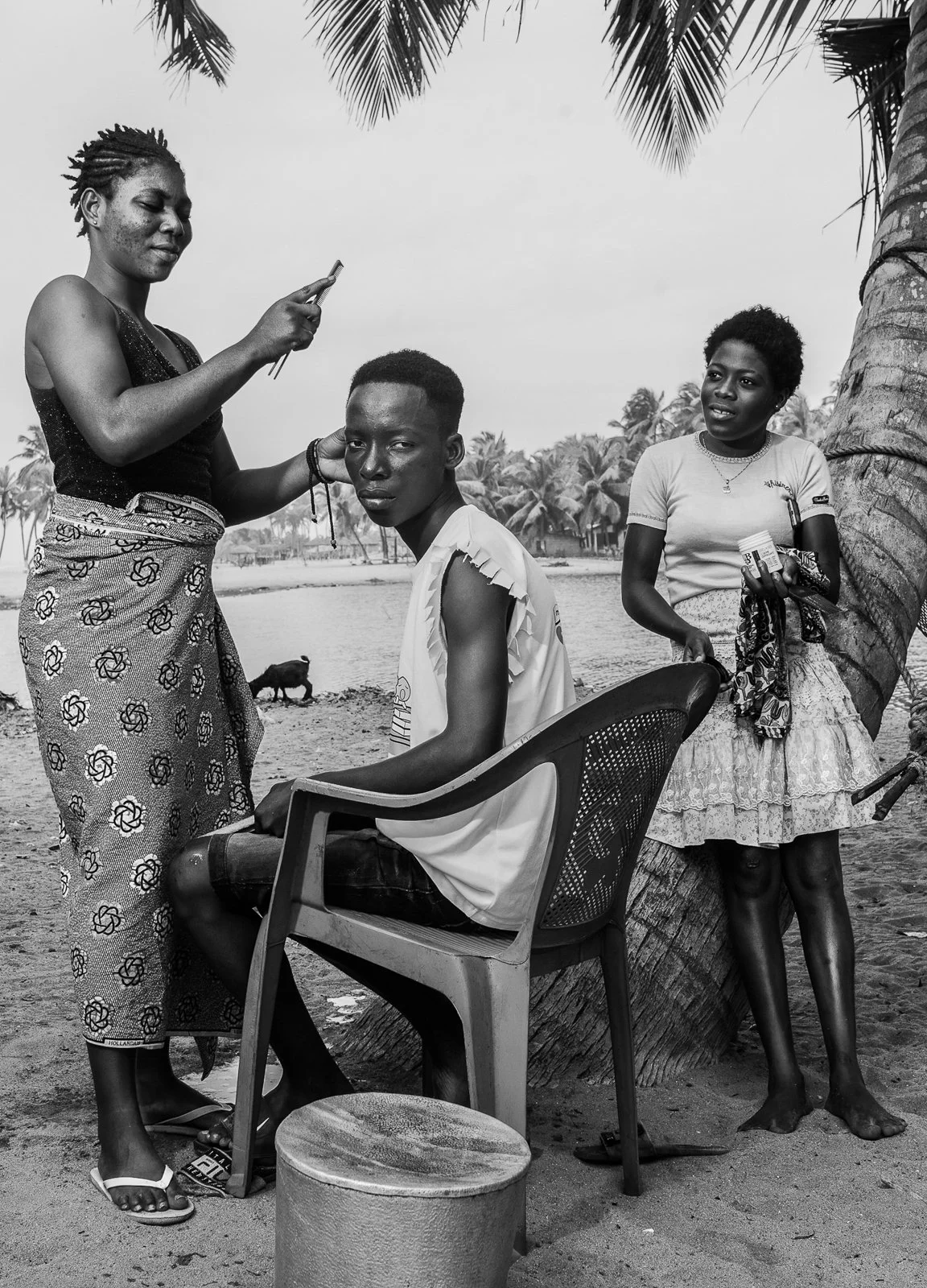
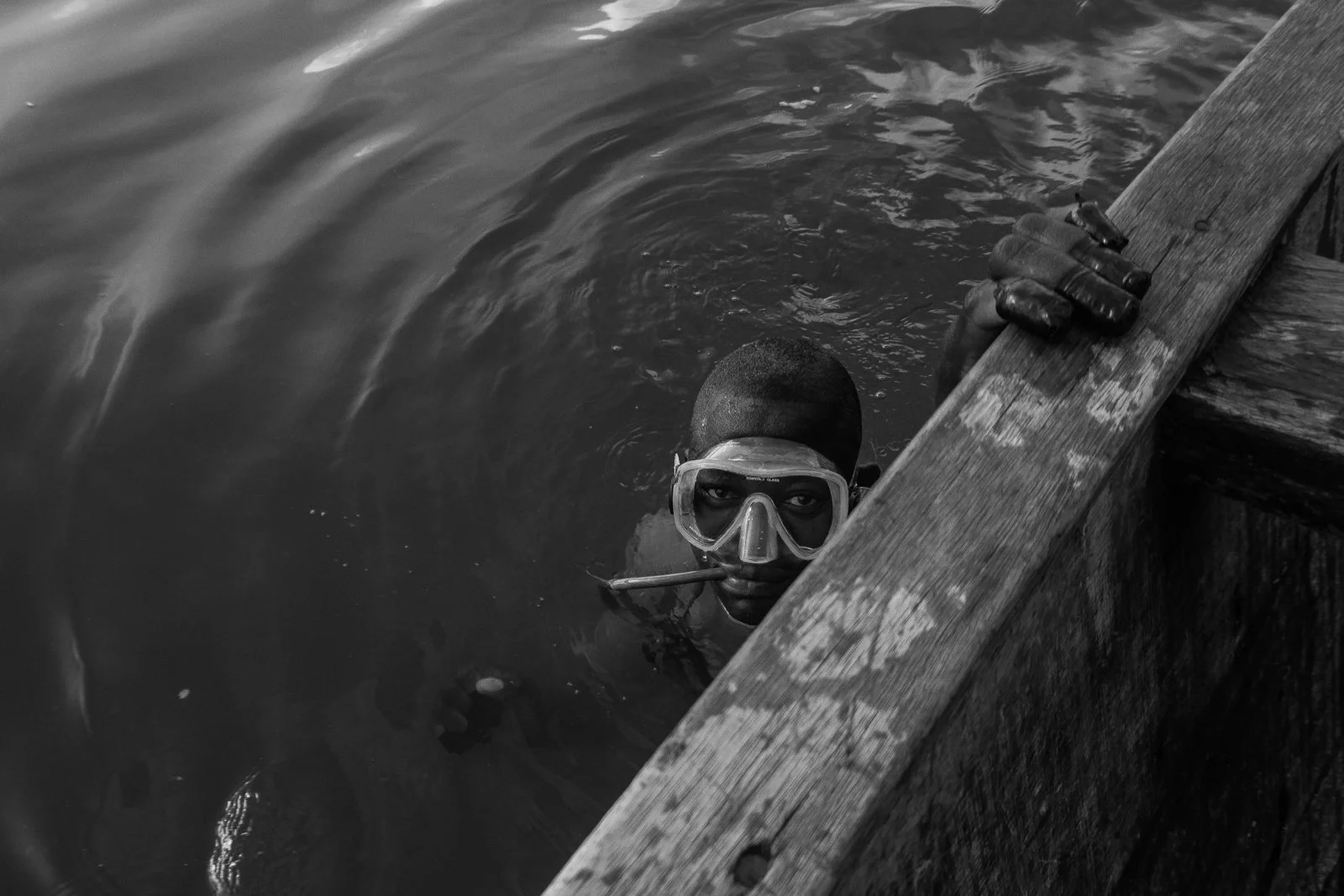
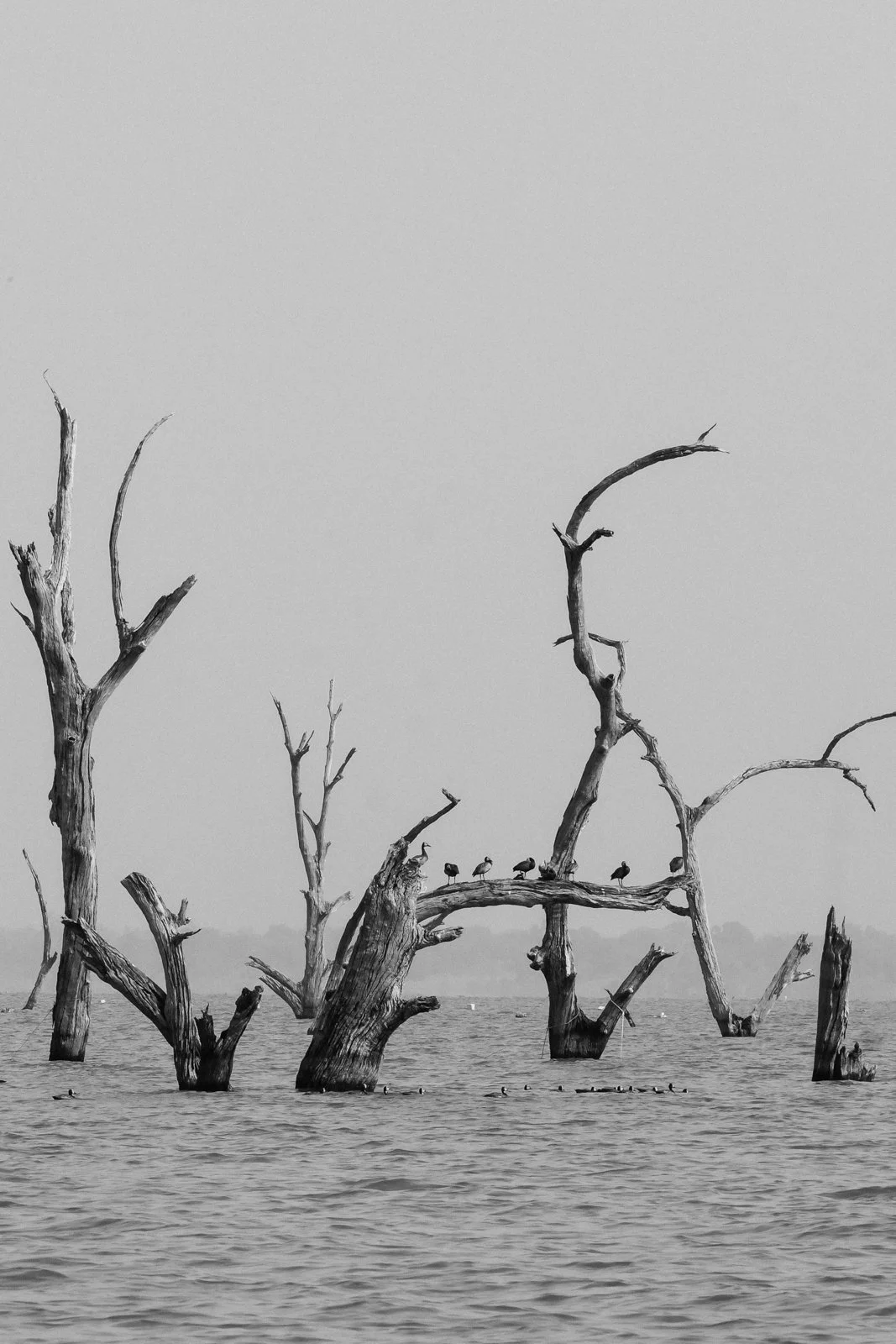
I learnt from my father how his father’s home was washed away by the ocean in the 1980s along with other homes along Ghana's Volta Basin, which caused a separation among families, some resettling more inland while others moved elsewhere completely. The project explores the resilience of the communities along the coast of Ada Foah and the estuary of the Volta river and how they cope with the consequences of environmental challenges in their everyday lives.
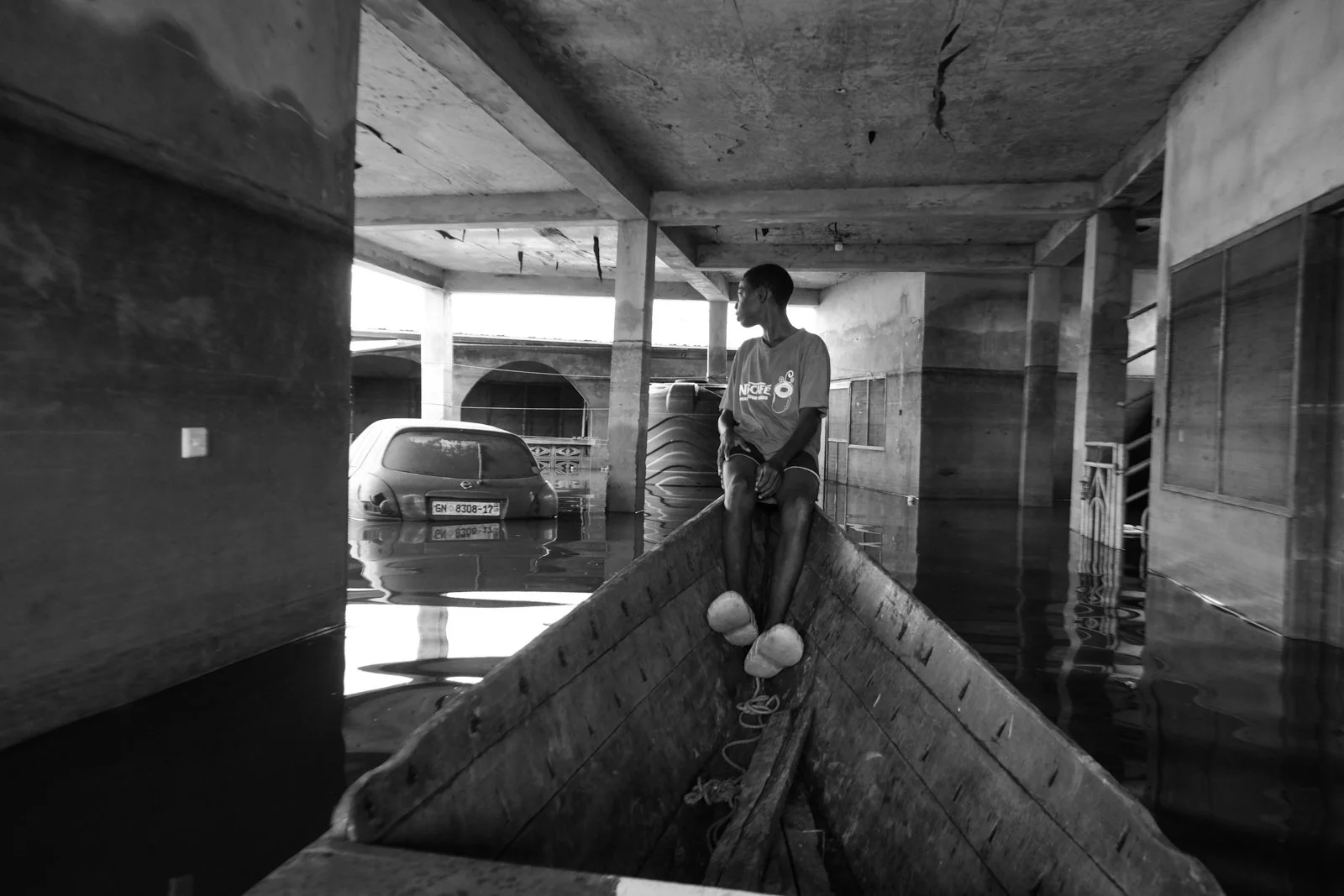
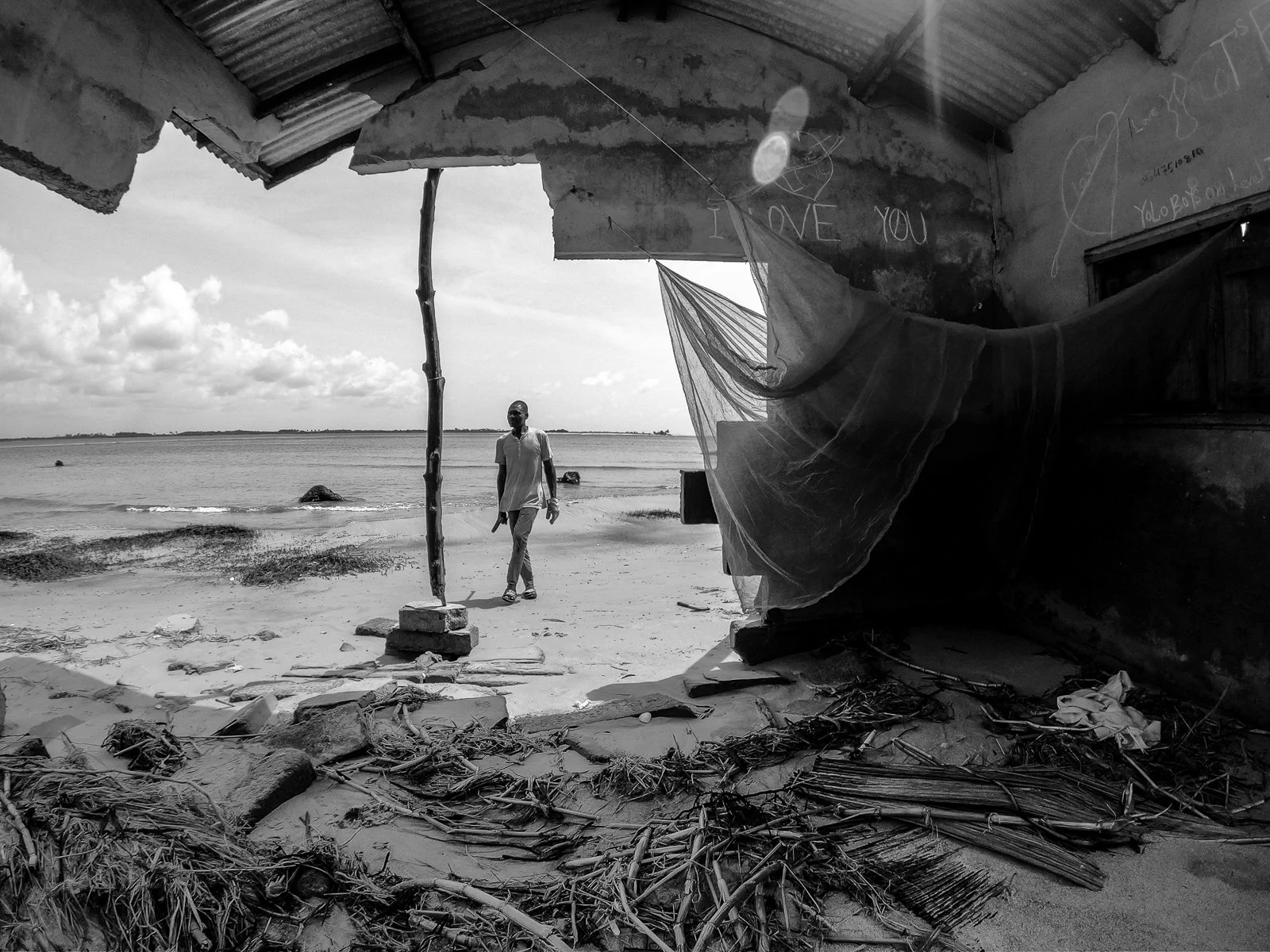
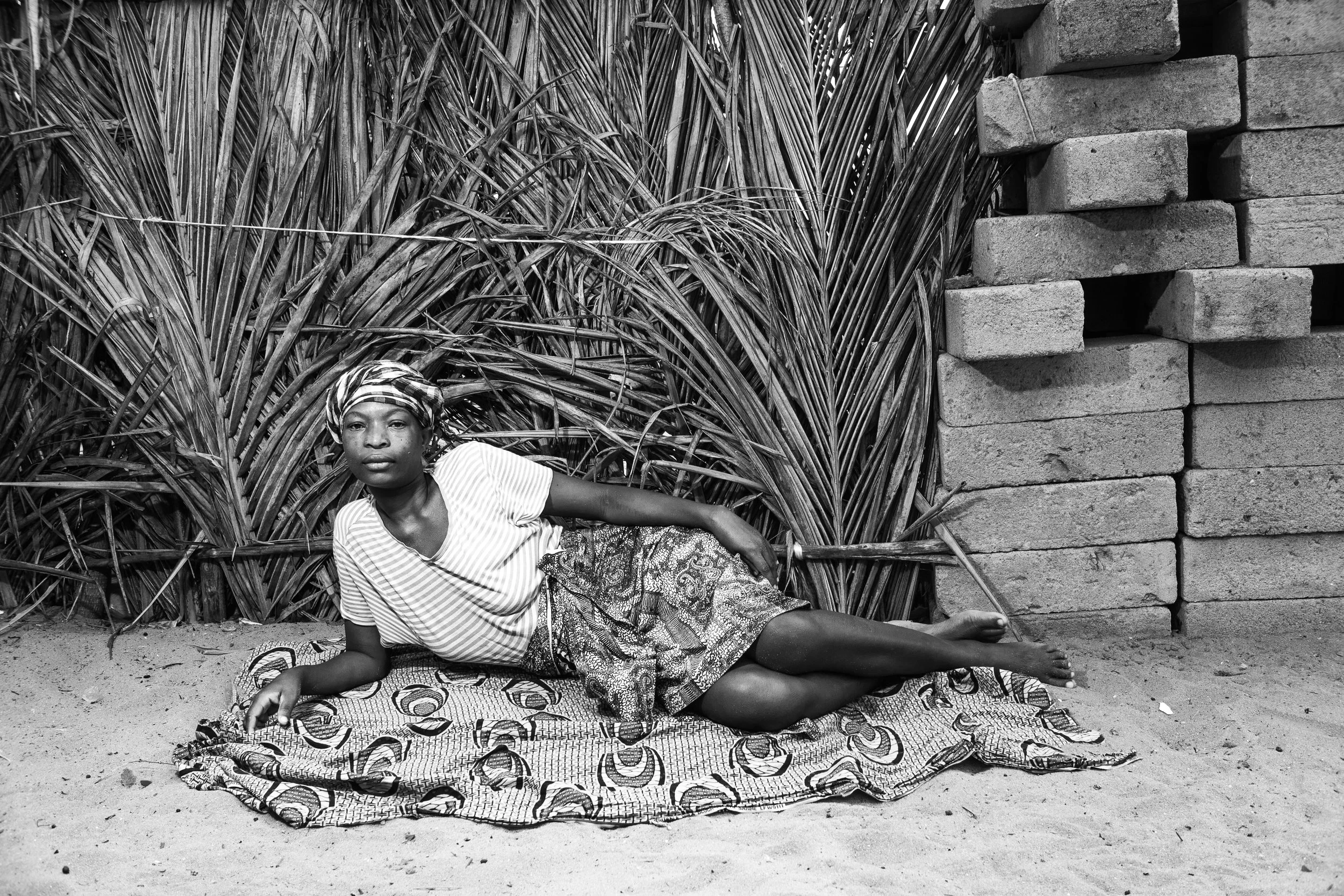
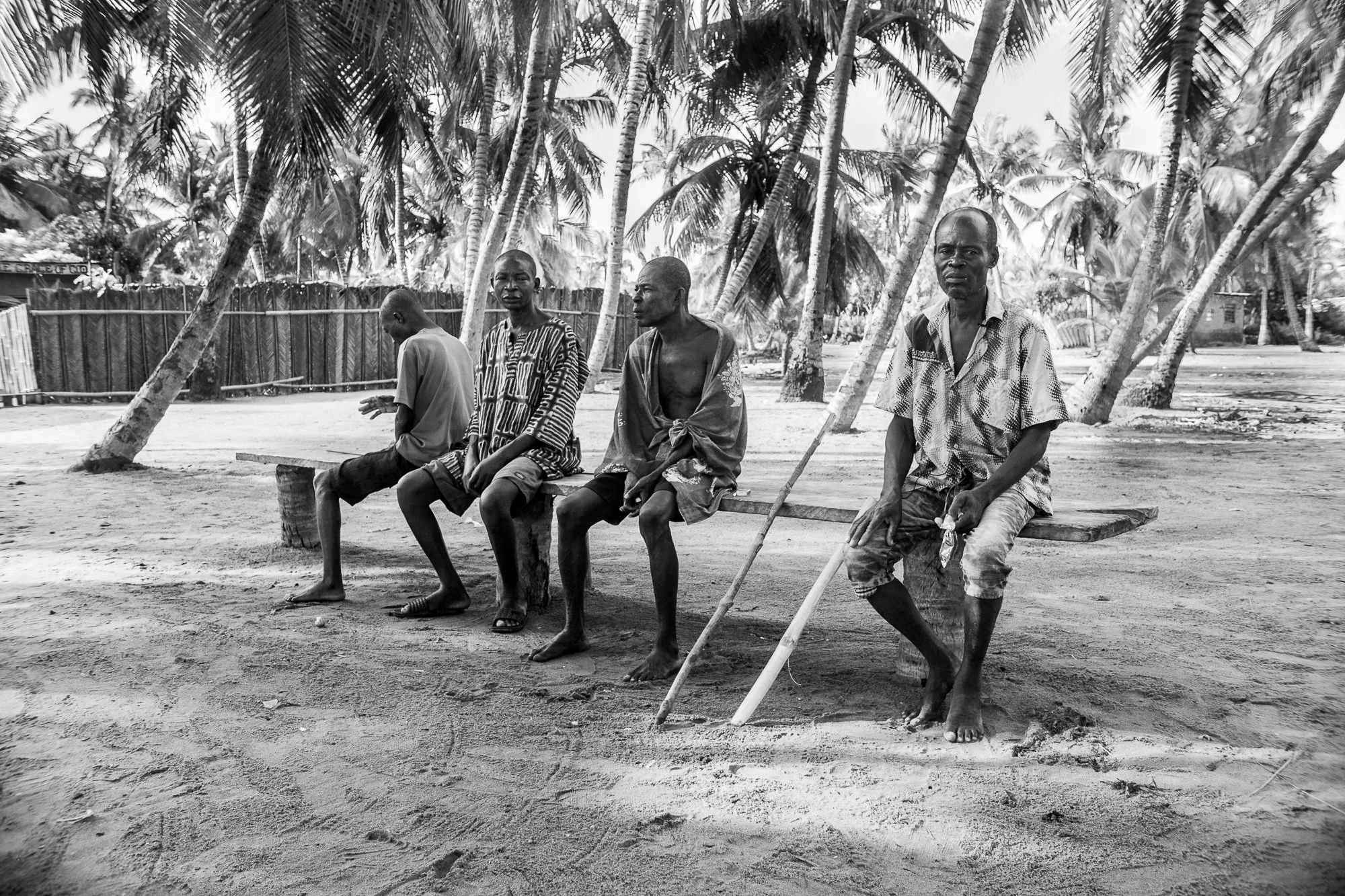
seth cardinal dodginghorse
Canada/Tsuut’ina | our belly button
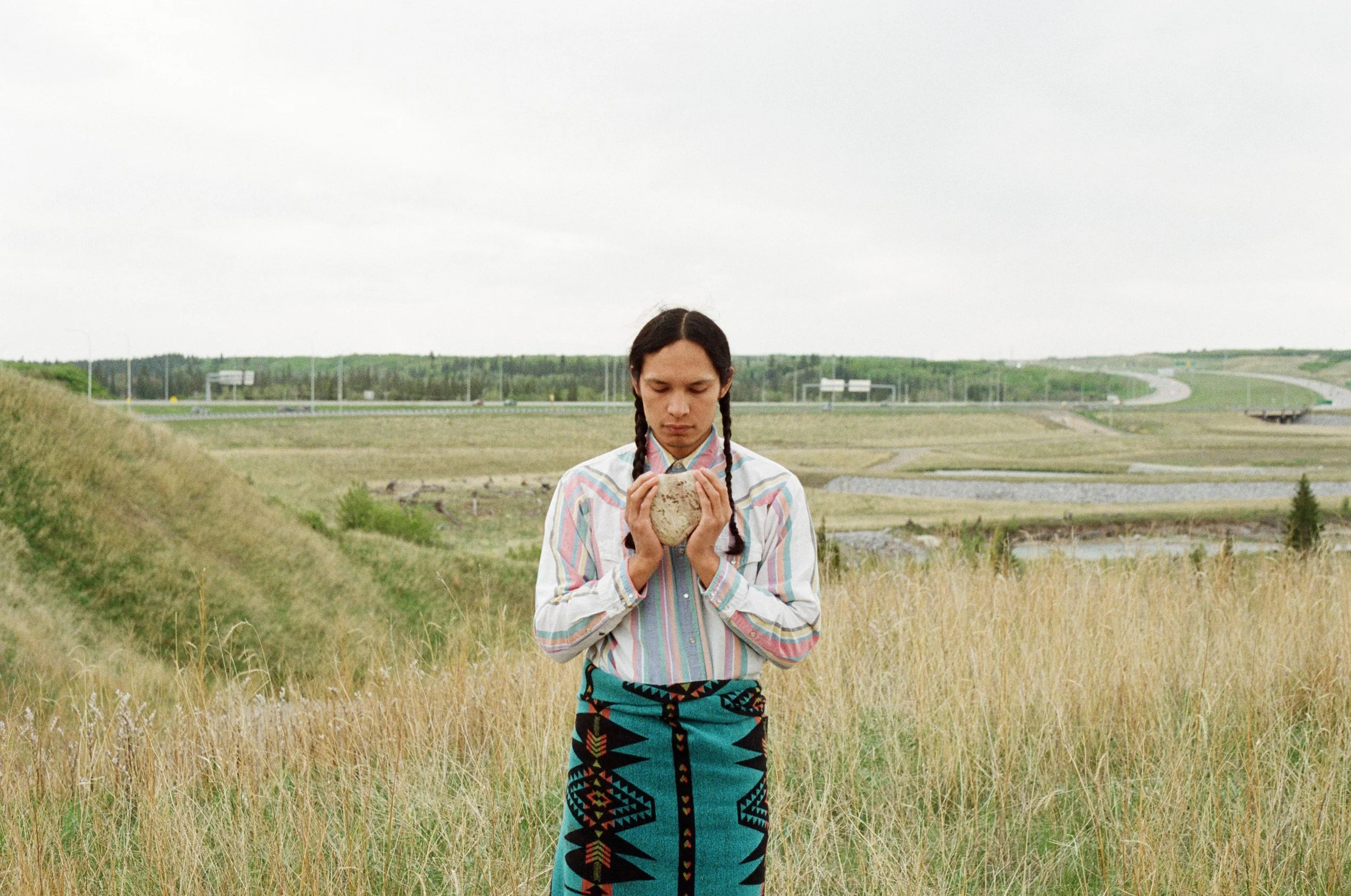
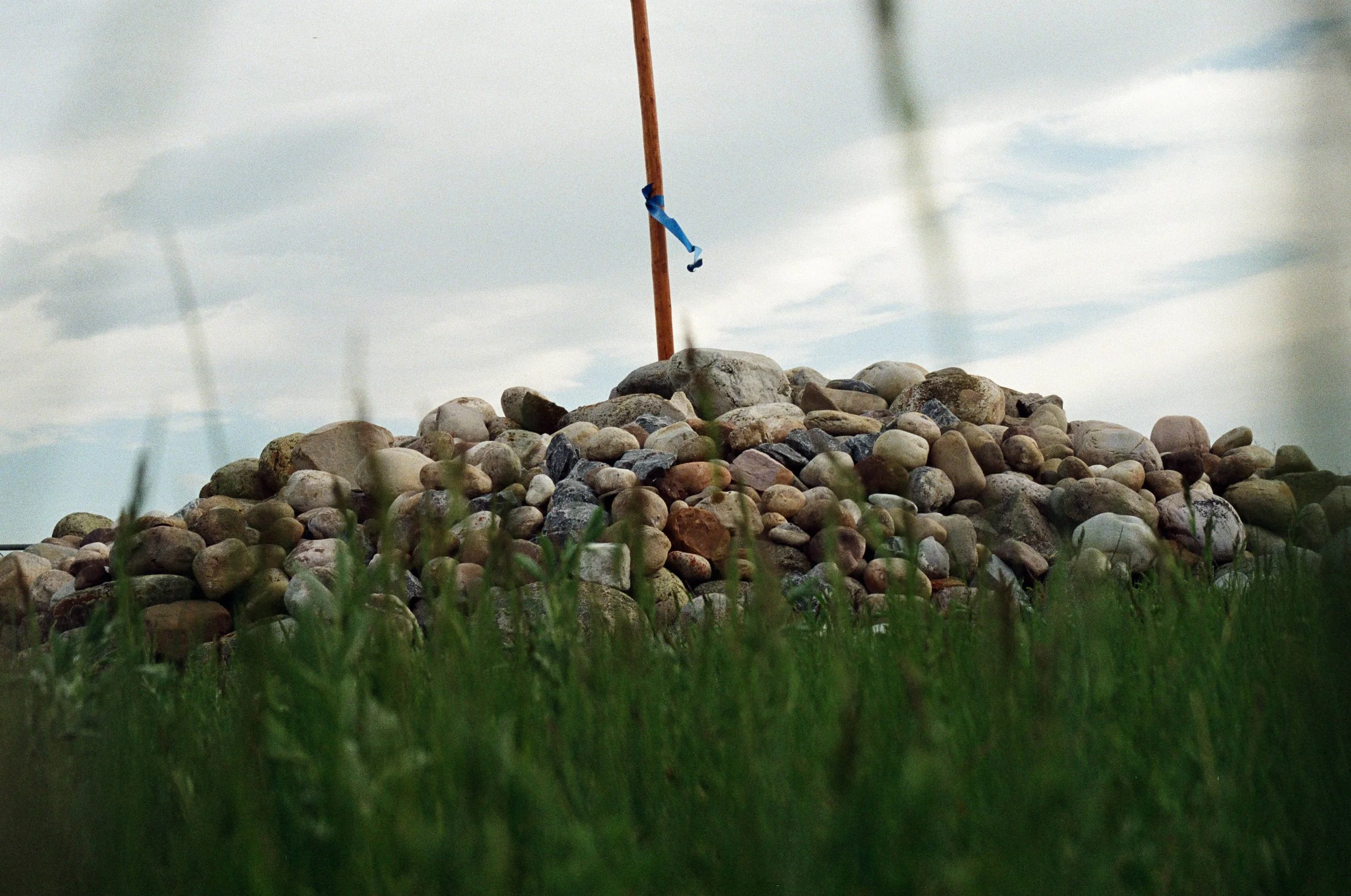
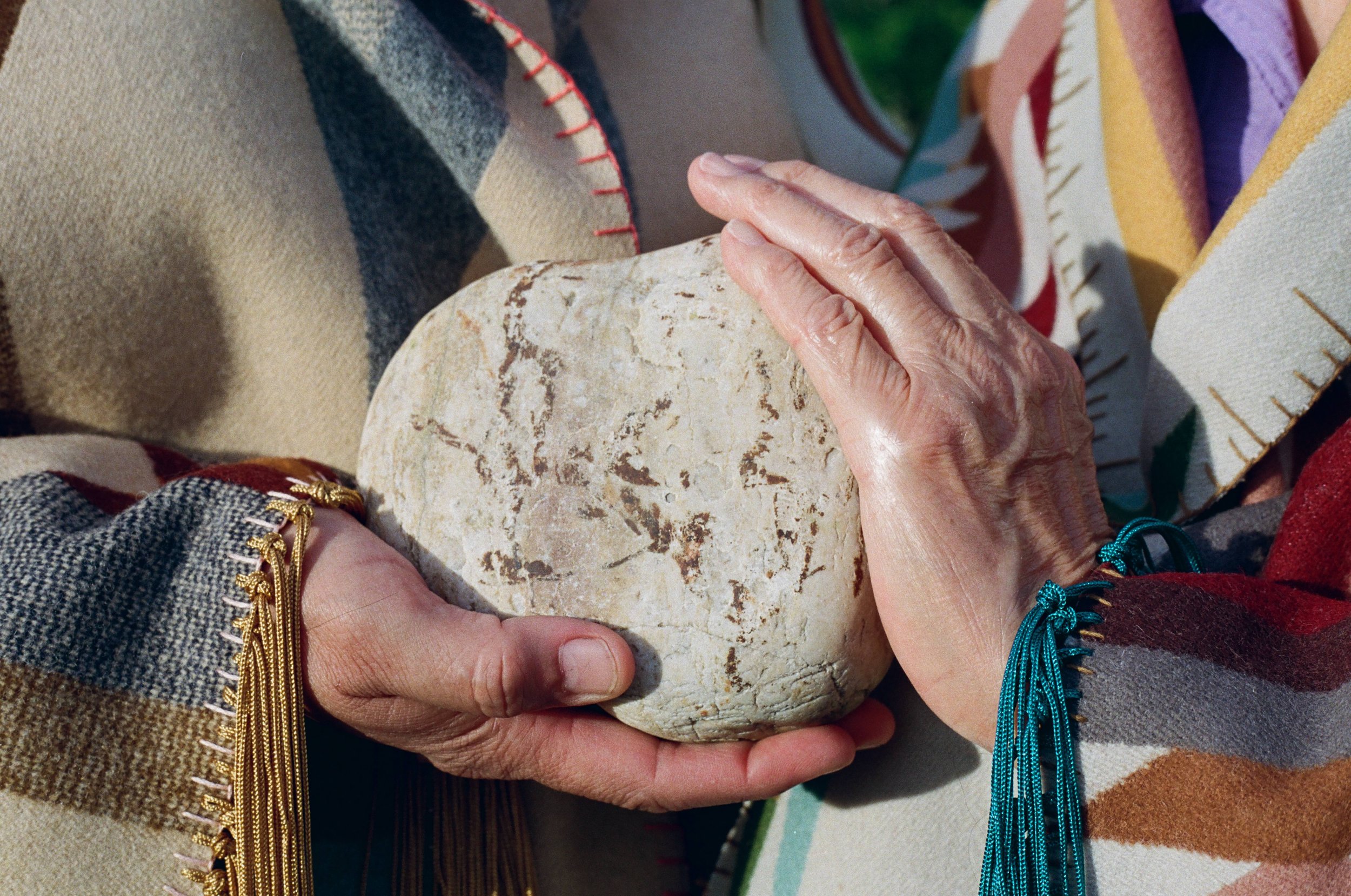
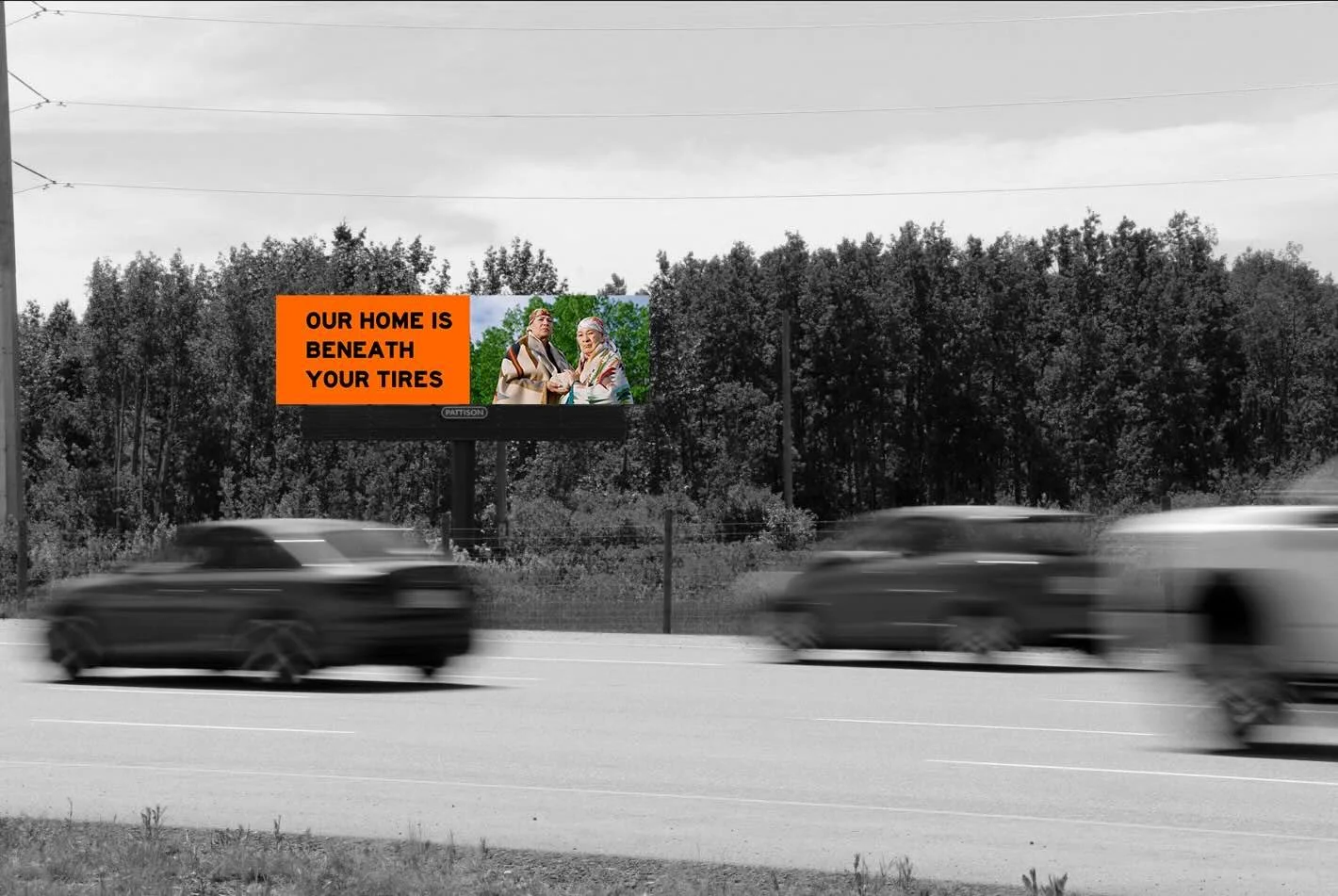
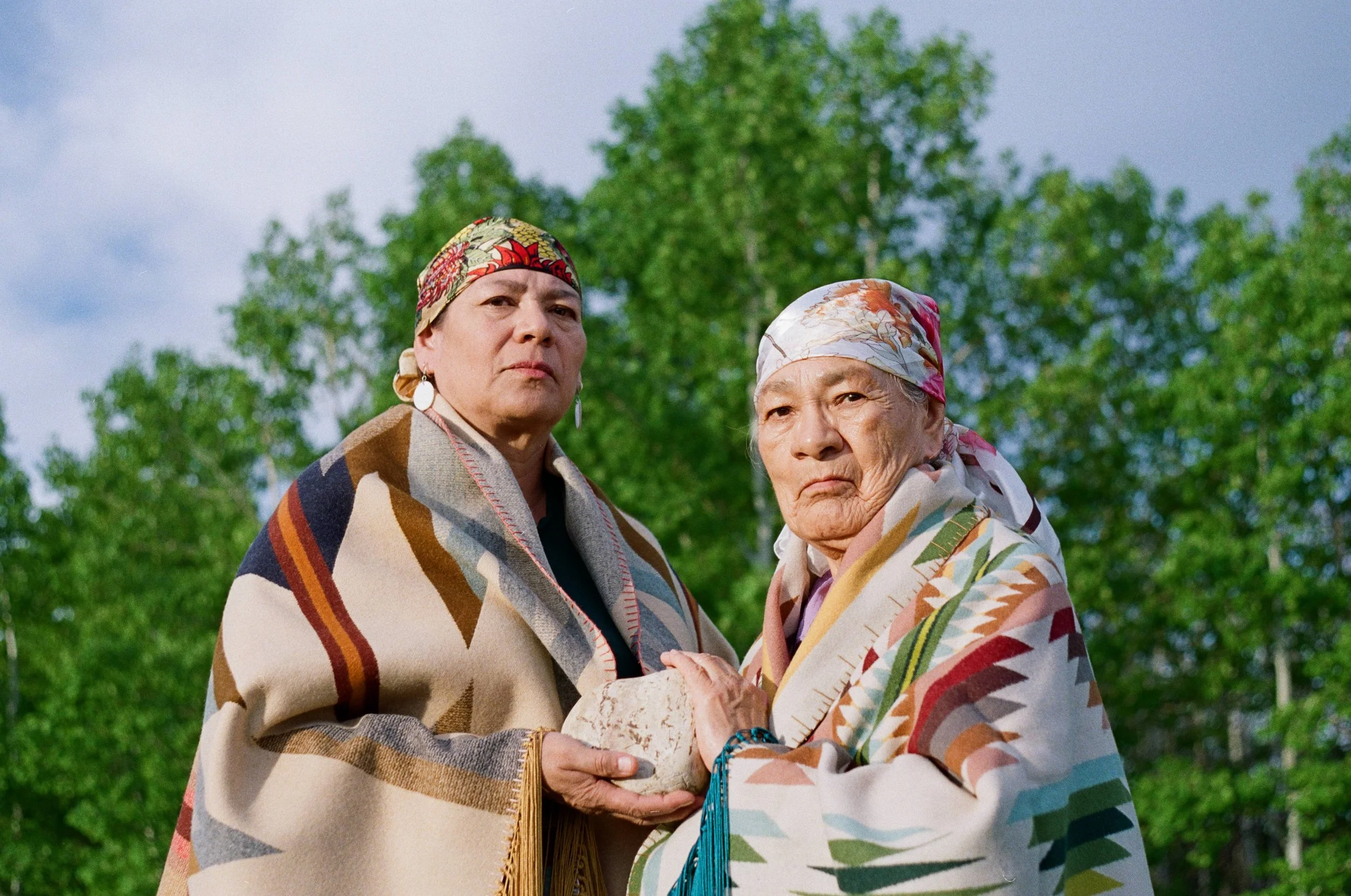
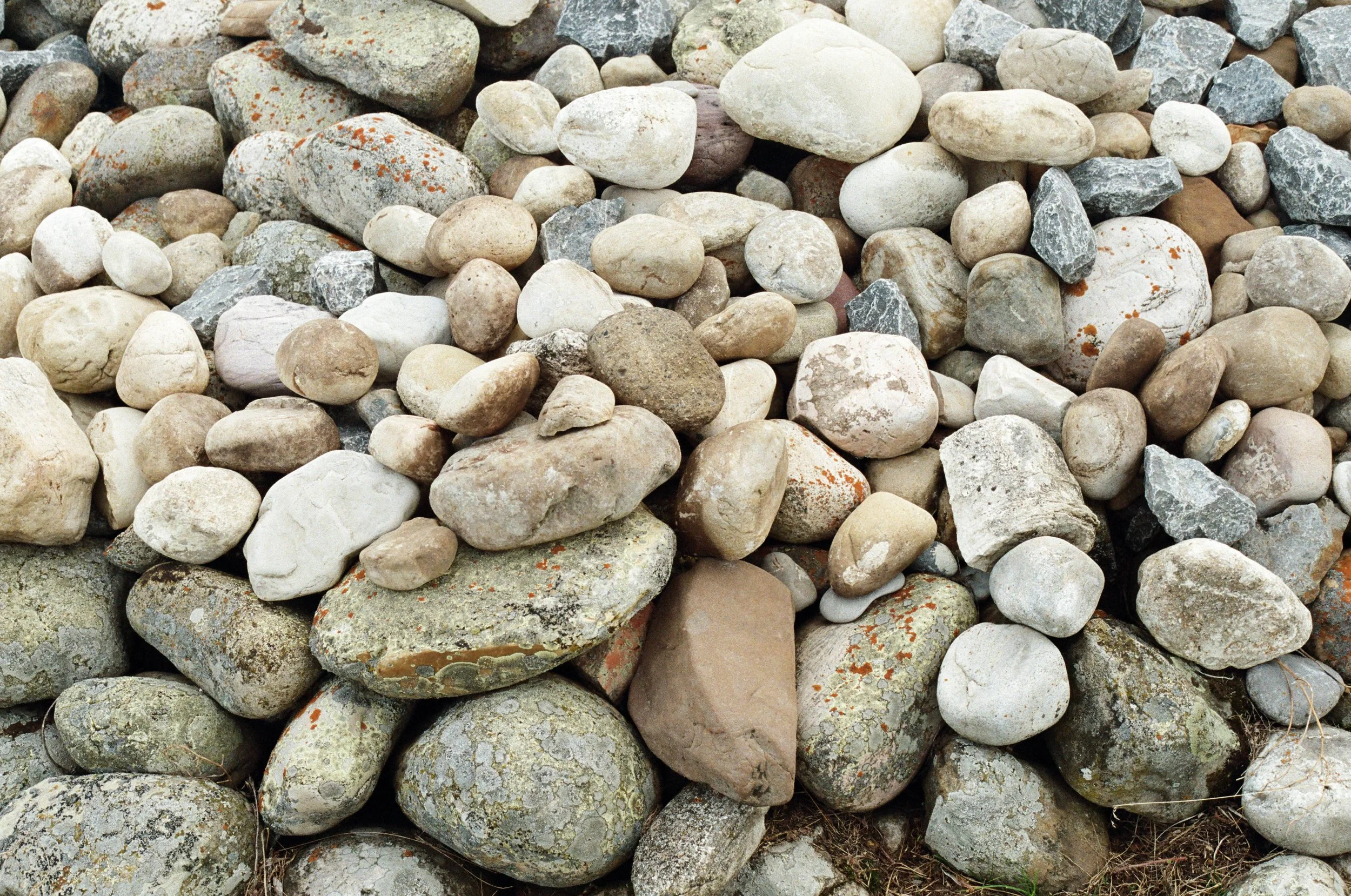
In 2014, my family was forcibly displaced from our home and land on the Tsuut’ina Nation for the construction of an 8-lane highway which resulted in the loss of our homes and land. For my project, I am renting a new digital billboard built along the highway and putting images onto them that express my family’s connection to the land and refusal to be erased from it.
Zumrad Mirzalieva
Uzbekistan | Through sands and dreams
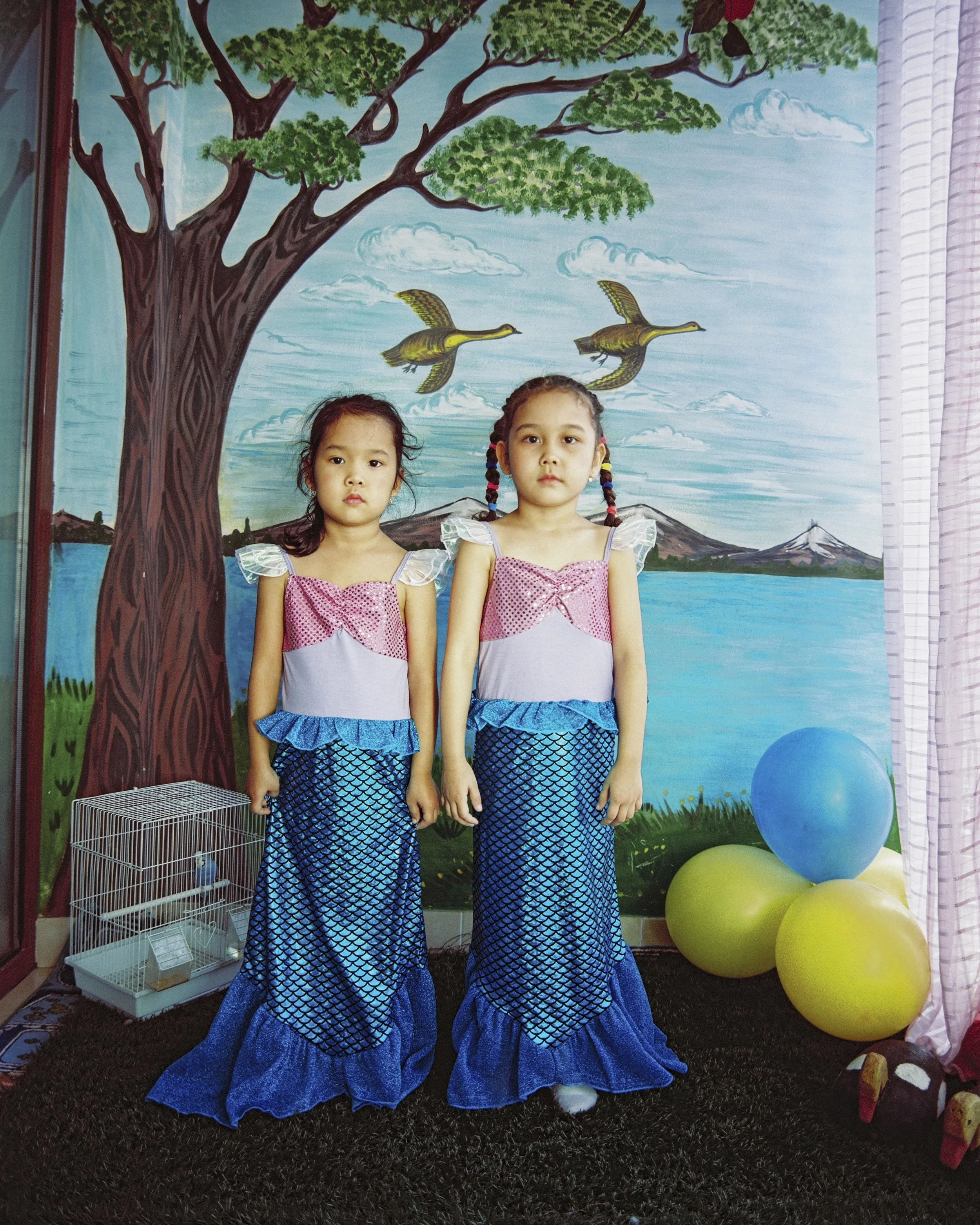
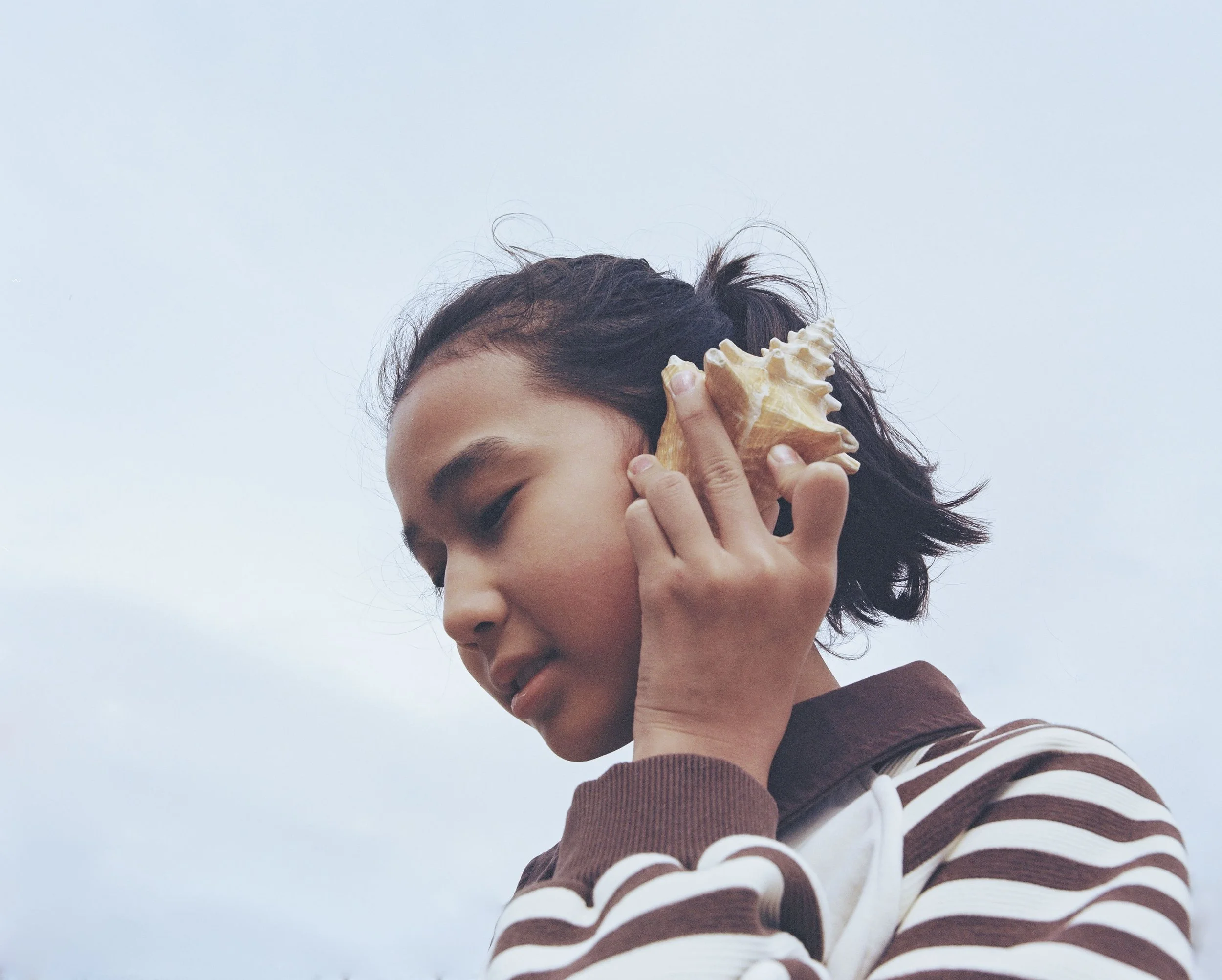
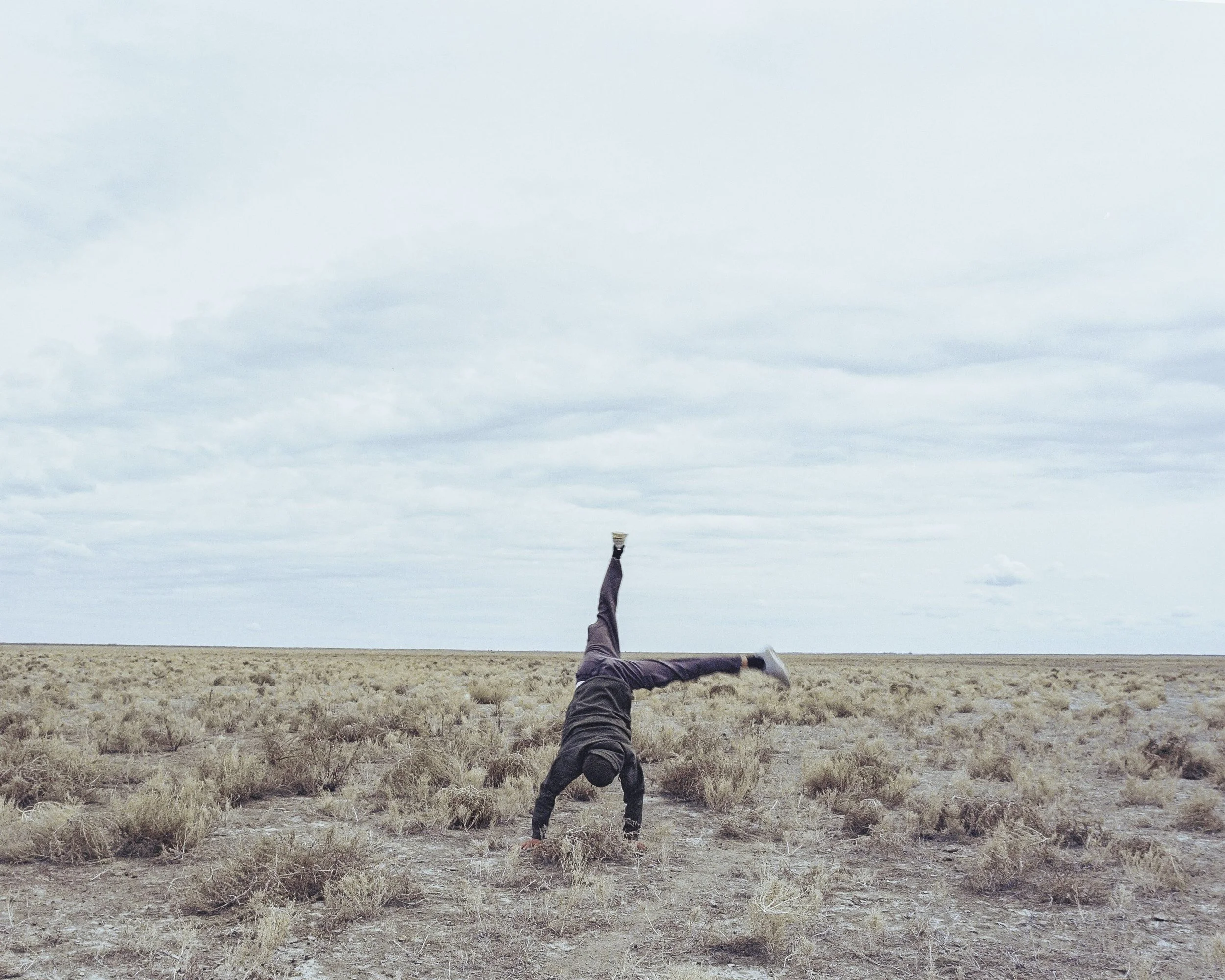
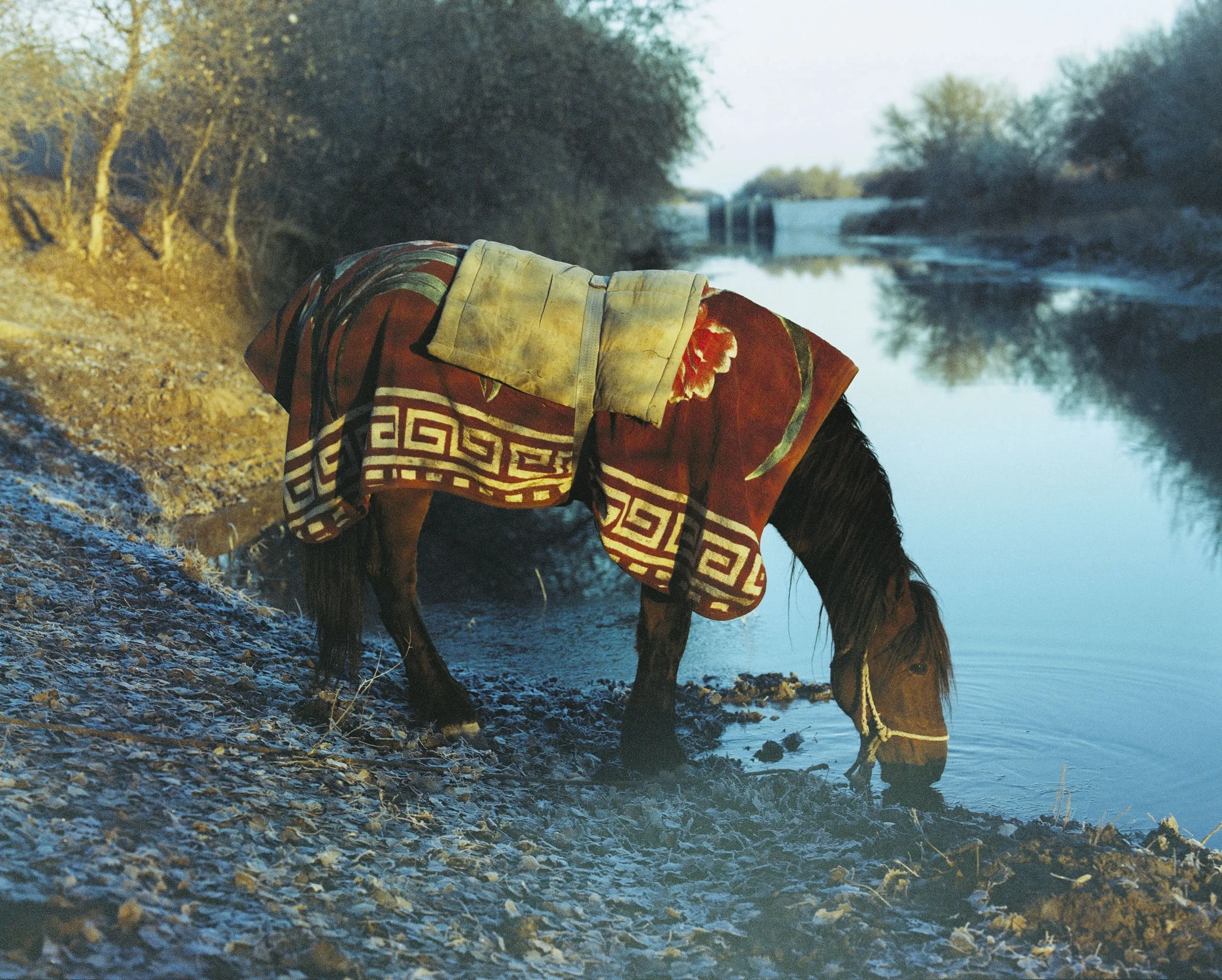
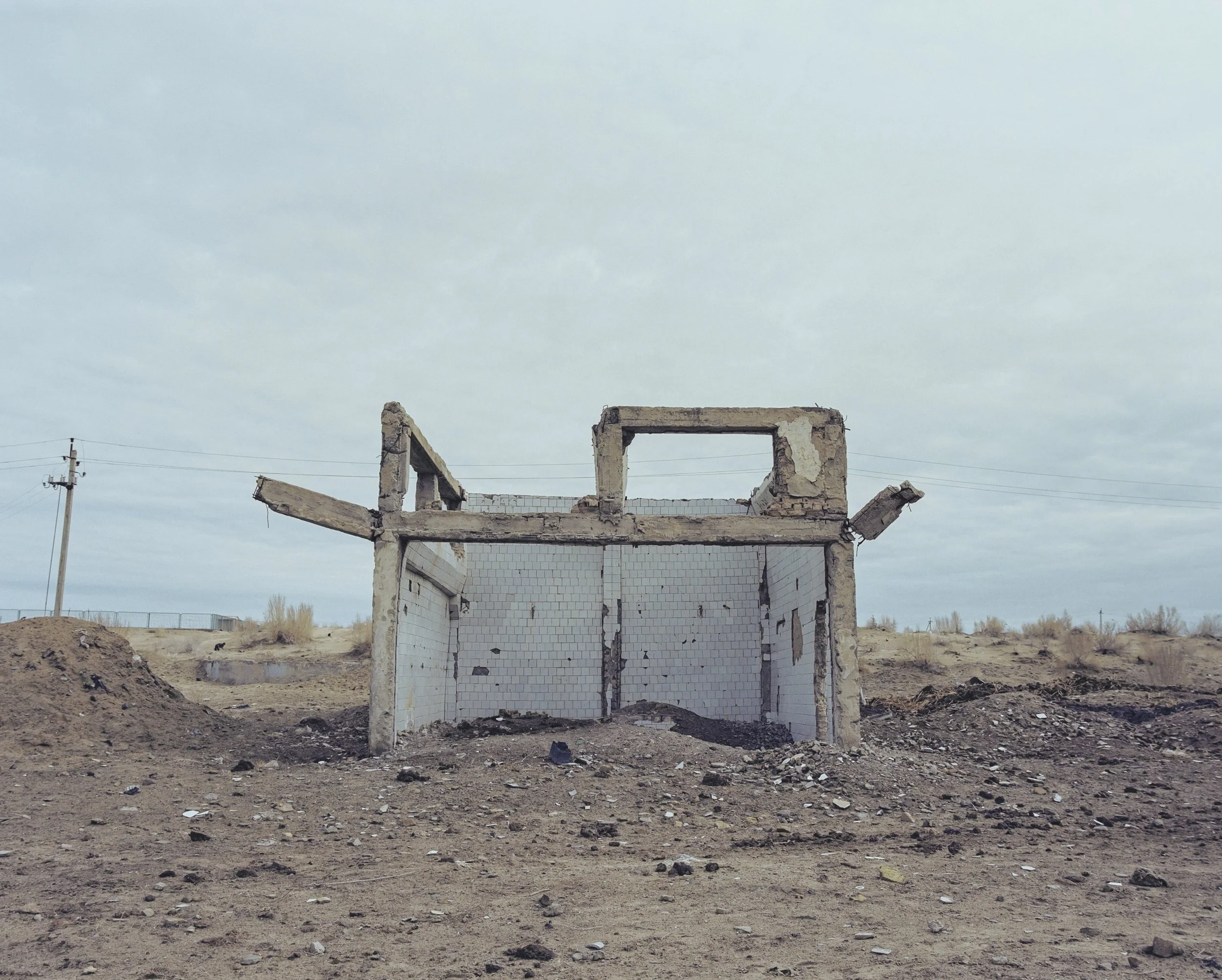
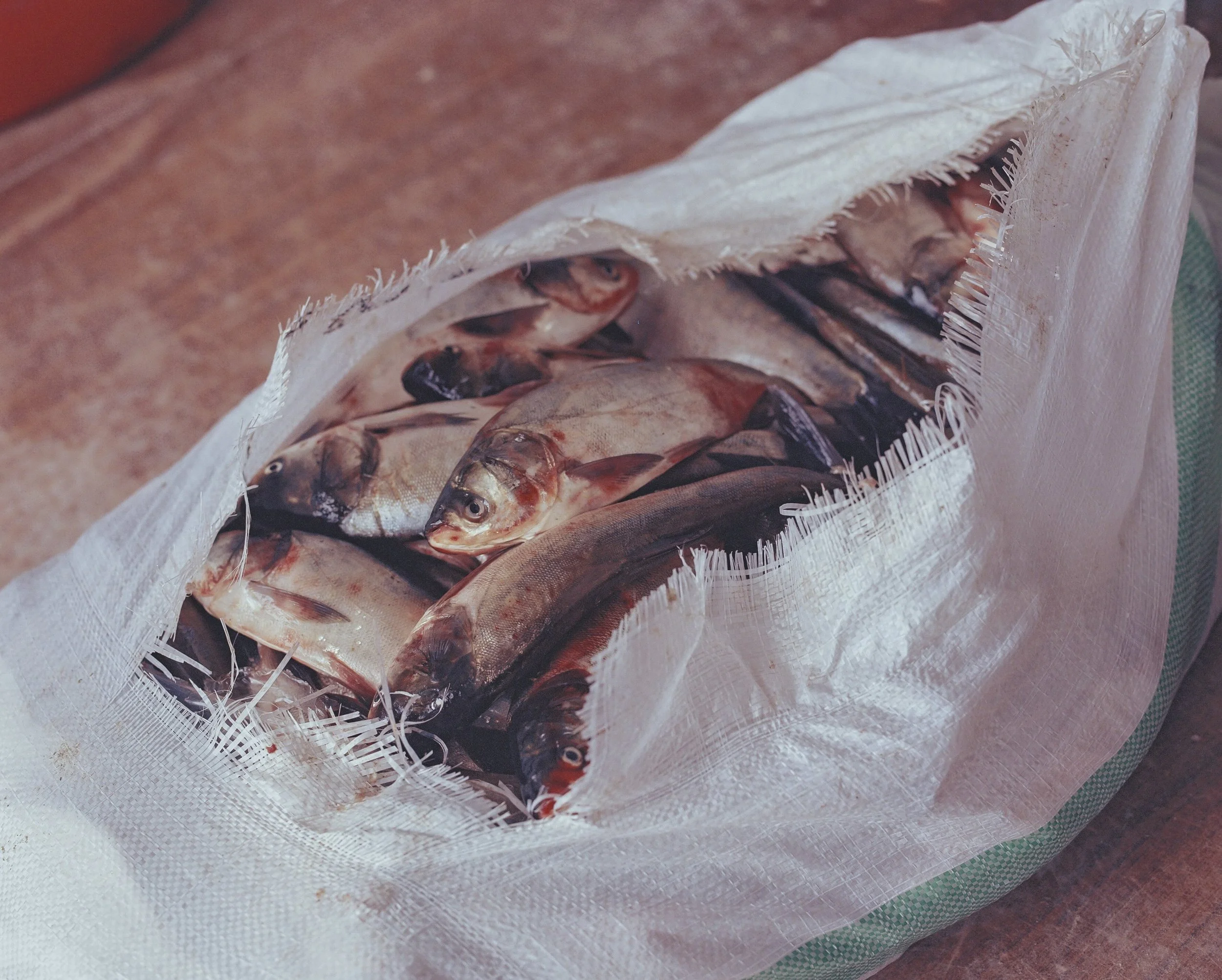
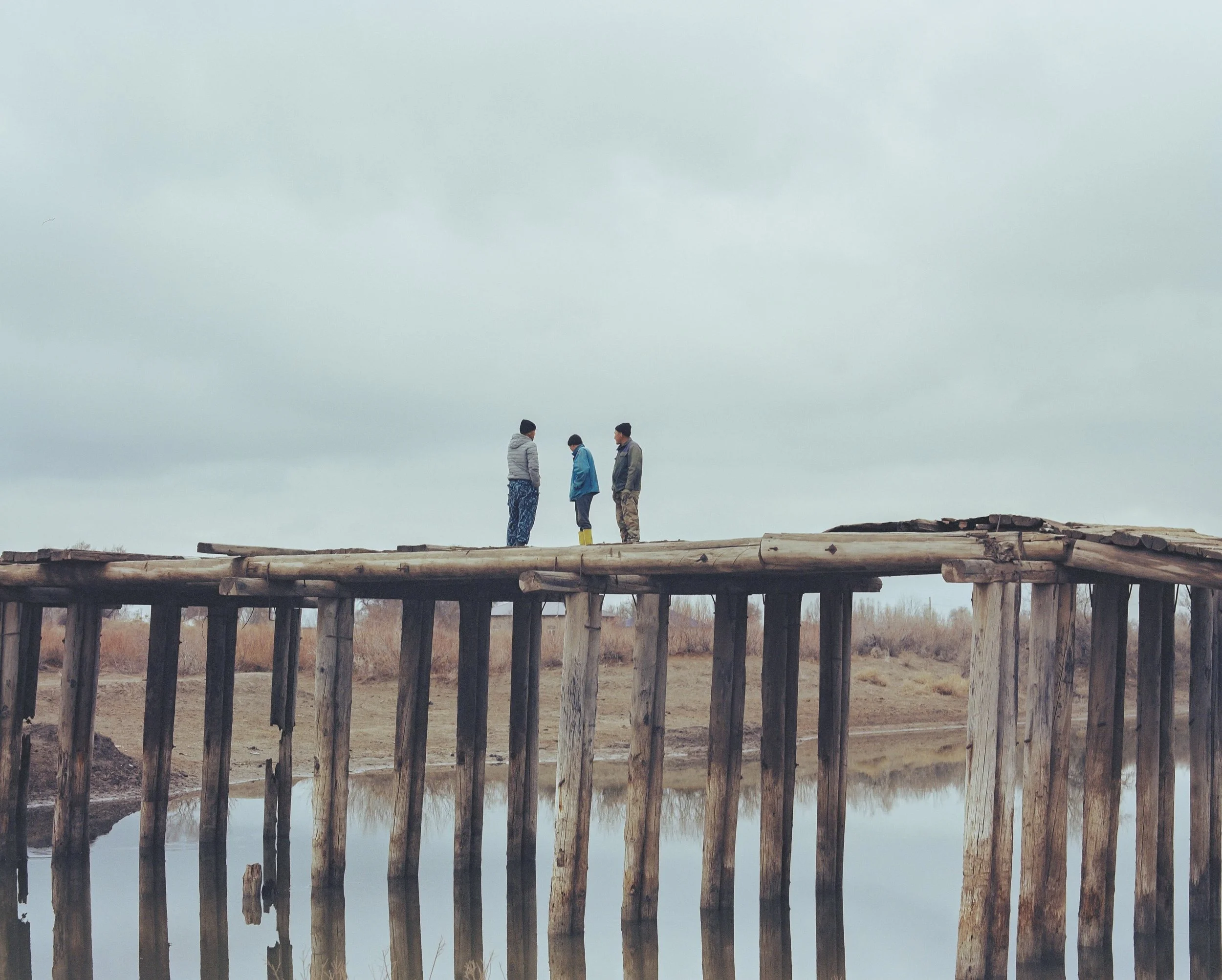
The Aral Sea was once the fourth-largest lake in the world. Today, over 90% of the sea is gone, leaving behind vast salt plains, a changing climate, public health crisis, and an abandoned fishing industry, all centered in a former port town Moynaq.
A new fantasy has emerged, one driven by capitalist ideas of prosperity through the extraction of gas reserves beneath the former seabed. Though widely documented, images of Moynaq often center on its devastation: ship graveyards, barren landscapes, reinforcing disaster capitalism. This project asks what else is possible, what is real and what is imagined?
The Photography Expanded Fellowship is made possible by the support of the National Endowment for the Arts, the Rosenthal Family Foundation, the Geneviève McMillan-Reba Stewart Foundation, and the William Talbott Hillman Foundation.